Drynaria
Drynaria · Accepted scientific name
Scientific literature: Very Sparse (0 studies) · ★☆☆☆☆
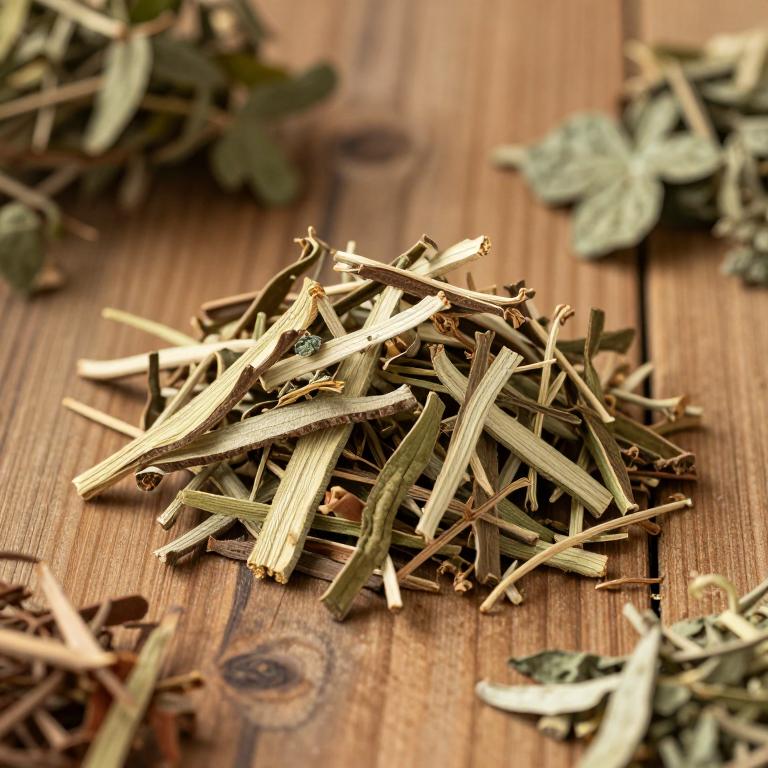
Drynaria is a unique genus of epiphytic ferns known for their distinctive shield-like sterile fronds. These specialized leaves play a crucial role in the plant's survival by collecting organic debris and moisture from the forest canopy. In various traditional medicinal practices, different species within this genus are highly valued for their therapeutic properties. To harness these benefits, the plant is commonly processed through the preparation of a decoction. This method involves boiling the plant material in water to extract its active medicinal compounds.
- Synonyms
- Pseudodrynaria · Thayeria · 9 more
- Common names
- Not available
- Family
- Polypodiaceae
- Distribution
- Southern America
- Plant Parts
- Not available
Classification
Synonyms
Drynaria is a complex genus that has historically been associated with several different botanical names. Scientific classification has seen this plant grouped under synonyms such as Aglaomorpha and Christopteris. Further taxonomic shifts have also linked it to the names Drynariopsis and Hemistachyum. Additionally, the genus has been identified in various studies using the synonym Holostachyum. Understanding these overlapping names is essential for navigating the evolving history of fern taxonomy.
Sources: The World Checklist of Vascular Plants (WCVP)
Taxonomy
Drynaria is a fascinating member of the kingdom Plantae that showcases the intricate complexity of botanical classification. This unique plant is categorized under the class Equisetopsida and belongs to the diverse order Polypodiales. Within this broad order, it is further distinguished as a part of the family Polypodiaceae. Specifically, the plant is defined by its own dedicated genus, Drynaria. Understanding these hierarchical relationships provides essential insight into the evolutionary history and biological identity of this species.
| Rank | Classification |
|---|---|
| Kingdom | Plantae |
| Phylum | Streptophyta |
| Class | Equisetopsida |
| Subclass | Polypodiinae |
| Order | Polypodiales |
| Family | Polypodiaceae |
| Genus | Drynaria |
Sources: The World Checklist of Vascular Plants (WCVP)
Distribution
Geographic Regions
Drynaria exhibits a widespread distribution across several key regions of the African continent. Within East Tropical Africa, this plant can be found flourishing in the landscapes of Kenya, Tanzania, and Uganda. Its presence extends further into Northeast Tropical Africa, establishing itself within the diverse environments of Ethiopia. Additionally, the genus is known to inhabit the unique terrain of Somalia. This broad geographic range highlights the adaptability of the plant across various African ecosystems.
Sources: The World Checklist of Vascular Plants (WCVP)
Identification
Biological Activities
Compounds
Conditions
Preparations
Drynaria is prepared as a decoction to be used as a key component in traditional Chinese medicine formulations. In the studied research, this decoction was administered to Wistar rats via intragastric administration at a dosage of 6 g/kg/day. This specific method of preparation allows the plant to be tested for its effects on bone remodeling during orthodontic tooth movement. The study utilized this decoction to observe how it influences neovascularization and new bone formation in periodontal tissue. Ultimately, the application of the Drynaria decoction was shown to be beneficial to alveolar bone remodeling by promoting osteoclast differentiation.