Drynaria coronans
Drynaria coronans · Accepted scientific name
Scientific literature: Very Sparse (0 studies) · ★☆☆☆☆
Drynaria coronans, commonly known as the staghorn fern, is a distinctive epiphytic plant native to various tropical regions. This species is easily identified by its unique growth habit, which features both fertile and sterile fronds. A key structural component of the plant is its creeping rhizome, which allows it to anchor securely to tree branches. The rhizome plays a vital role in nutrient storage and provides the foundation for its specialized leaf structures. Understanding these morphological traits is essential for appreciating the complex survival strategies of this fascinating fern.
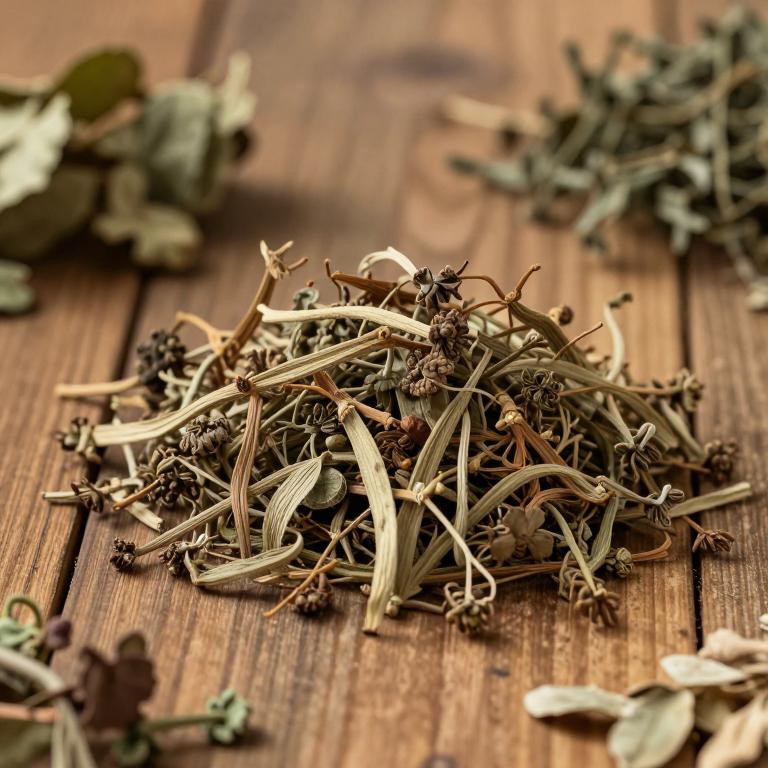
- Synonyms
- Drynaria Conjugata · Aglaomorpha Coronans · 4 more
- Common names
- Not available
- Family
- Polypodiaceae
- Distribution
- Not available
- Plant Parts
- Rhizome
Classification
Common Names
Drynaria coronans is a distinctive plant known by several different names across various cultures and languages. In English-speaking regions, it is frequently referred to by its common name, the Rock-ginger Fern. Its identity is further recognized in different linguistic contexts, such as the name drynária korunujúca or the Thai designation กูดอ้อมกูดเวียน. Moving into East Asian terminology, the species is identified as カザリシダ in Japanese and 崖薑 in Chinese. This diversity of nomenclature highlights the widespread presence and cultural recognition of this unique fern.
Sources: Catalogue of Life (COL)
Synonyms
Drynaria coronans is a species known to be associated with several different botanical names due to historical taxonomic shifts. Throughout various scientific studies, it has been identified by synonyms such as Aglaomorpha coronans and Drynaria conjugata. The plant has also been referred to in literature as Drynaria esquirolii and Pleopeltis coronans. Additionally, some older records may list the specimen under the name Polypodium coronans. Understanding these various nomenclatural relationships is essential for accurate identification in the field.
Sources: The World Checklist of Vascular Plants (WCVP)
Taxonomy
Drynaria coronans is a unique member of the kingdom Plantae that showcases the intricate complexity of botanical classification. Within this vast biological realm, the species belongs to the class Equisetopsida and the order Polypodiales. It is further categorized under the family Polypodiaceae, a group known for its diverse fern structures. As a representative of the genus Drynaria, this plant exhibits specialized morphological traits characteristic of its lineage. Understanding these hierarchical relationships provides essential insight into the evolutionary history of this remarkable fern.
| Rank | Classification |
|---|---|
| Kingdom | Plantae |
| Phylum | Streptophyta |
| Class | Equisetopsida |
| Subclass | Polypodiinae |
| Order | Polypodiales |
| Family | Polypodiaceae |
| Genus | Drynaria |
Sources: The World Checklist of Vascular Plants (WCVP)
Distribution
Geographic Regions
Drynaria coronans is a resilient plant species primarily distributed throughout the Asia-Temperate regions. Within China, its presence is widespread, spanning from the South-Central territories to the Southeast. The species also finds suitable habitats in the unique landscapes of Hainan and the high-altitude terrain of Tibet. Beyond mainland China, its range extends into Eastern Asia, specifically reaching the Nansei-shoto islands. This broad geographic footprint highlights the plant's adaptability to various diverse environments across the continent.
Sources: The World Checklist of Vascular Plants (WCVP)
Identification
Biological Activities
Compounds
Conditions
Preparations
Parts used
Drynaria coronans possesses a distinct rhizome structure that serves as a key morphological feature for botanical identification. Within this plant, the rhizome scales exhibit specific characteristics, such as a base that sinks into the epidermis. These unique scale attributes allow researchers to differentiate the species from other similar plants like Drynaria delavayi. By analyzing the size and bearing position of these scales, scientists can more accurately authenticate the plant's identity. Consequently, studying the rhizome remains essential for distinguishing true Gusuibu from various adulterants.