Drymocallis arguta
Drymocallis arguta · Accepted scientific name
Scientific literature: Very Sparse (1 studies) · ★☆☆☆☆
Drymocallis arguta, scientifically known as Drymocallis arguenta, is a deciduous shrub native to East Asia. Often referred to as a species of honeysuckle, it is valued for its ornamental beauty and traditional medicinal uses. This resilient plant thrives in temperate climates, offering unique ecological and pharmacological significance.
- Family
- Not available
- Native range
- Northern America
- Parts used
- Root
- Common names
- Not available
- Scientific synonyms
- Not available
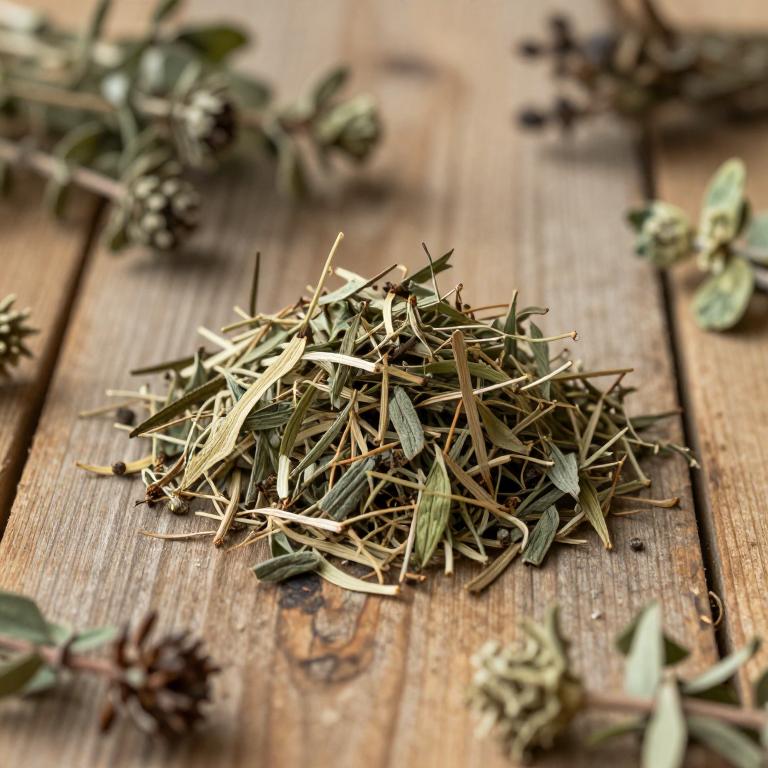
Names and Synonyms
Scientific Names
Accepted name
Drymocallis argutaDistribution
This plant exhibits a widespread distribution across the northern reaches of the continent. In Subarctic America, its presence is documented within the Northwest Territories and the Yukon. Moving into Western Canada, it can be found growing throughout the province of Alberta. Its range extends further east to include the prairie regions of Saskatchewan. Finally, the species is also distributed across the province of Manitoba.
| Region | Area |
|---|---|
| Subarctic America | Northwest Territories |
| Subarctic America | Yukon |
| Western Canada | Alberta |
| Western Canada | Manitoba |
| Western Canada | Saskatchewan |
| Eastern Canada | New Brunswick |
| Eastern Canada | Ontario |
| Eastern Canada | Québec |
| Northwestern U.S.A. | Colorado |
| Northwestern U.S.A. | Montana |
Sources: The World Checklist of Vascular Plants (WCVP)
Botanical Identification
Life history
The life history of Drymocallis arguta is characterized by its status as a perennial species, allowing it to persist in its habitat across multiple growing seasons. As a perennial, the plant undergoes seasonal cycles of growth, flowering, and dormancy, utilizing established root systems to survive unfavorable environmental conditions. This long-term life cycle enables the plant to invest energy into robust structural development and repeated reproductive efforts over several years, rather than completing its cycle in a single season. Through this perennial strategy, it can effectively colonize stable environments and maintain a presence within its ecological niche through successive years.
- Lifecycle :
- perennial
Morphology
The morphology of Drymocallis arguta is characterized by its growth form as a non-woody herb and forb, typically reaching a mean plant height of 0.91 m. This species functions as a self-supporting plant, lacking the characteristics of an obligatory or facultative climber such as a liana or vine. It is a terrestrial organism, neither aquatic nor epiphytic, and maintains an independent life cycle without acting as a parasite.
- Aquatic :
- terrestrial
- Climber :
- self-supporting
- Epiphyte :
- terrestrial
- Growth form :
- herb
- Growth form :
- forb
- Parasite :
- independent
- Plant height mean:
- 0.91 m
- Woodiness :
- non-woody
Physiology
The physiology of Drymocallis argupta is fundamentally characterized by its reliance on the C3 photosynthetic pathway, a metabolic strategy where the initial fixation of atmospheric carbon dioxide occurs through the enzyme Rubisco to form a three-carbon compound. This process involves the standard Calvin cycle, which is typical for many temperate woody species, necessitating a physiological balance between gas exchange and transpiration to maintain hydration. As a C3 plant, its carbon fixation efficiency is highly dependent on environmental factors such as light intensity, temperature, and water availability, as it lacks the specialized CO2-concentrating mechanisms found in C4 or CAM plants. Consequently, its metabolic activity is optimized for environments where moisture is relatively consistent, allowing the plant to manage its stomatal conductance to facilitate carbon uptake while minimizing excessive water loss through transpiration.
- Photosynthetic pathway :
- C3
Reproduction
The reproduction of Drymocallis arguata is characterized by a specific flowering phenology and specialized seed dispersal mechanisms. The flowering period typically commences in June and continues through September. Following pollination, the plant produces seeds with a highly lightweight profile, reflecting a mean seed mass of approximately 0.00014158325 g. The variation in seed size is relatively narrow, with individual seed masses ranging from a minimum of 0.0001 g to a maximum of 0.00028 g. These seeds utilize an anemochorous dispersal syndrome, meaning they are primarily dispersed by the wind, allowing the species to colonize new habitats through aerodynamic transport.
- Dispersal syndrome :
- anemochorous
- Flowering time :
- Jun
- Flowering time :
- Sep
- Seed mass max:
- 0.00028 g
- Seed mass mean:
- 0.00014158325 g
- Seed mass min:
- 1e-04 g
Sources: Global Inventory of Floras and Traits (GIFT)
Plant Parts
Drymocallis arguta has 1 reported plant parts identified across 1 scientific publications and several other databases that are studied for medicinal purposes. The most consistently reported plant part include root.
| Plant part | Supporting sources | Consensus |
|---|---|---|
| Root | 1 supporting sources | ★☆☆☆☆ |
Root
- Journal of ethnopharmacology
Preparations
Drymocallis arguta has 1 reported preparations identified across 1 scientific publications and several other databases. The most consistently reported preparations include root extract.
| Preparation | Supporting sources | Consensus |
|---|---|---|
| Root extract | 1 supporting sources | ★☆☆☆☆ |
Root extract
- Journal of ethnopharmacology