drymary
Drymaria · Accepted scientific name
Scientific literature: Very Sparse (2 studies) · ★☆☆☆☆
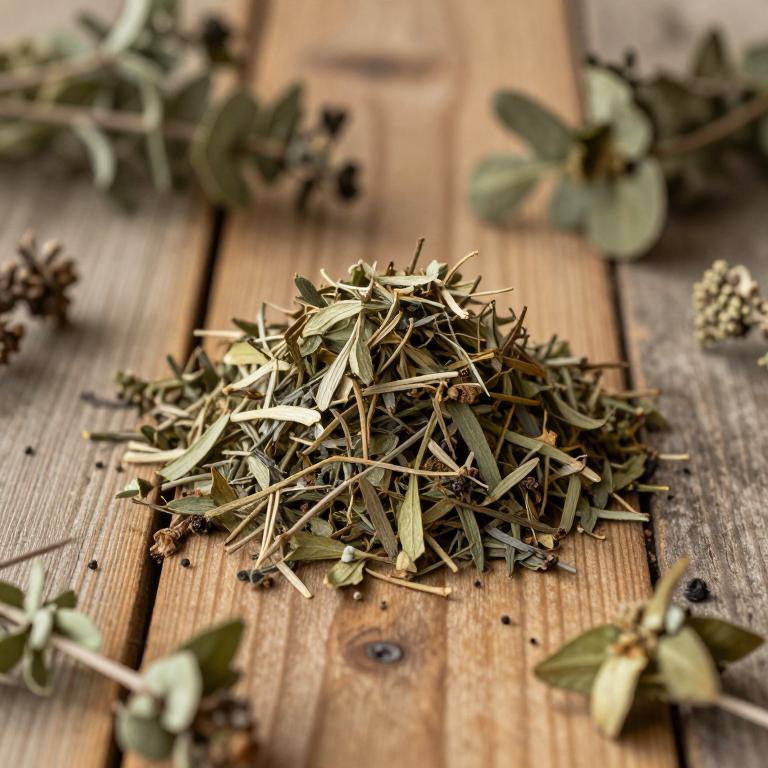
Drymaria, scientifically known as Drymaria, is a versatile genus of creeping herbs within the Rubiaceae family. Often found in tropical climates, these plants are valued for their resilient nature and diverse medicinal properties. Traditionally, various species are utilized in folk medicine to treat ailments ranging from skin conditions to inflammation.
- Family
- Caryophyllaceae
- Native range
- Africa
- Parts used
- Not available
- Common names
- Drymary
- Scientific synonyms
- Mollugophytum · Pinosia
Names and Synonyms
Common Names
- drymary
Scientific Names
Accepted name
DrymariaSynonyms
- Mollugophytum
- Pinosia
Regional and Traditional Names
Spanish:
- Drymaria Broun
German:
- Drymaria Broun
French:
- Drymaria Broun
Sources: Wikidata, Catalogue of Life
Taxonomical Classification
This plant belongs to the kingdom Plantae and the phylum Streptophyta, falling under the class Equisetopsida and subclass Magnoliidae. Within the order Caryophyllales, it is classified under the family Caryophyllaceae. Its specific taxonomic designation is the genus Drymaria.
| Rank | Classification |
|---|---|
| Kingdom | Plantae |
| Phylum | Streptophyta |
| Class | Equisetopsida |
| Subclass | Magnoliidae |
| Order | Caryophyllales |
| Family | Caryophyllaceae |
| Genus | Drymaria |
Sources: The World Checklist of Vascular Plants (WCVP)
Distribution
This plant, known as Drymaria, exhibits a specific geographical range concentrated within the West Tropical Africa region. Its presence is documented across several distinct nations within this tropical belt. Specifically, it can be found growing in the coastal and inland areas of Guinea and Sierra Leone. The species also extends its distribution into the Ivory Coast and Liberia. Finally, the plant is recorded as being present in Nigeria, completing its regional footprint.
| Region | Area |
|---|---|
| West Tropical Africa | Guinea |
| West Tropical Africa | Ivory Coast |
| West Tropical Africa | Liberia |
| West Tropical Africa | Nigeria |
| West Tropical Africa | Sierra Leone |
| West-Central Tropical Africa | Burundi |
| West-Central Tropical Africa | Central African Republic |
| West-Central Tropical Africa | Cameroon |
| West-Central Tropical Africa | Congo |
| West-Central Tropical Africa | Gabon |
Sources: The World Checklist of Vascular Plants (WCVP)
Chemicals
Drymaria has 2 reported phytochemicals identified across 0 scientific publications and several other databases. The most consistently reported chemicals include Icariin, naringin.
| Chemical | Supporting sources | Consensus |
|---|---|---|
| Icariin | 1 supporting sources | ★☆☆☆☆ |
| naringin | 1 supporting sources | ★☆☆☆☆ |
Icariin
- Current topics in medicinal chemistry
naringin
- Current topics in medicinal chemistry