sundews
Drosera · Accepted scientific name
Scientific literature: Very Sparse (2 studies) · ★☆☆☆☆
Sundews, scientifically known as Drosera, is a fascinating genus of carnivorous plants renowned for their glistening, sticky tentacles. These specialized plants thrive in nutrient-poor soils by trapping and digesting insects. Beyond their botanical wonder, various species offer significant medicinal potential, particularly in traditional remedies for respiratory and digestive health.
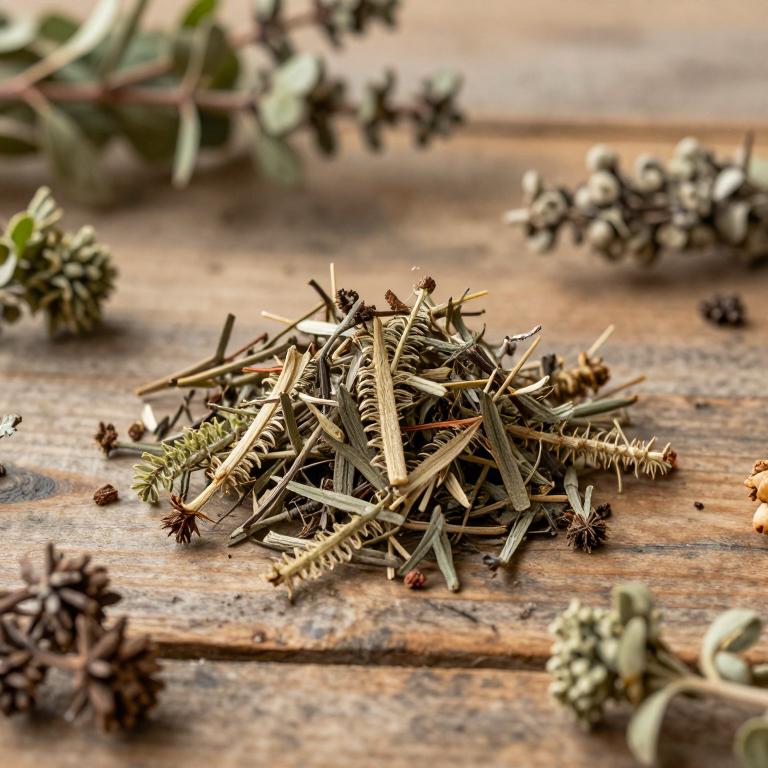
Names and Synonyms
Common Names
- sundew
- Sundews
- Wahu
Scientific Names
Accepted name
DroseraSynonyms
- Rossolis
- Freatulina
- Filicirna
- Dismophyla
- Adenopa
- Sondera
- Rorella
Regional and Traditional Names
Spanish:
- rocío de sol
- rocio de sol
- Rocíos del sol
- Rocío de sol
German:
- Sonnentau
French:
- Droséra
- Rossolis
- Droséra
Sources: Wikidata, Catalogue of Life
Taxonomical Classification
This plant belongs to the kingdom Plantae and the phylum Streptophyta, falling under the class Equisetopsida and subclass Magnoliidae. Within the order Caryophyllales, it is classified under the family Droseraceae. Finally, it is categorized under the genus Drosera.
| Rank | Classification |
|---|---|
| Kingdom | Plantae |
| Phylum | Streptophyta |
| Class | Equisetopsida |
| Subclass | Magnoliidae |
| Order | Caryophyllales |
| Family | Droseraceae |
| Genus | Drosera |
Sources: The World Checklist of Vascular Plants (WCVP)
Distribution
This plant exhibits a specific geographical distribution across several regions in Northern Europe. It can be found growing in the coastal and inland areas of Denmark. Furthermore, its presence extends to the northern landscapes of Finland and the island of Iceland. The species is also documented within the territory of Great Britain. Finally, its habitat includes the unique environment of the Føroyaar islands.
| Region | Area |
|---|---|
| Northern Europe | Denmark |
| Northern Europe | Finland |
| Northern Europe | Føroyar |
| Northern Europe | Great Britain |
| Northern Europe | Iceland |
| Northern Europe | Ireland |
| Northern Europe | Norway |
| Northern Europe | Svalbard |
| Northern Europe | Sweden |
| Middle Europe | Austria |
Sources: The World Checklist of Vascular Plants (WCVP)
Chemicals
Drosera has 2 reported phytochemicals identified across 0 scientific publications and several other databases. The most consistently reported chemicals include Flavonoids, NAPHTHOQUINONE.
| Chemical | Supporting sources | Consensus |
|---|---|---|
| Flavonoids | 1 supporting sources | ★☆☆☆☆ |
| NAPHTHOQUINONE | 1 supporting sources | ★☆☆☆☆ |
Flavonoids
- International journal of molecular sciences
NAPHTHOQUINONE
- International journal of molecular sciences