Dracocephalum polychaetum
Dracocephalum polychaetum · Accepted scientific name
Scientific literature: Very Sparse (20 studies) · ★☆☆☆☆
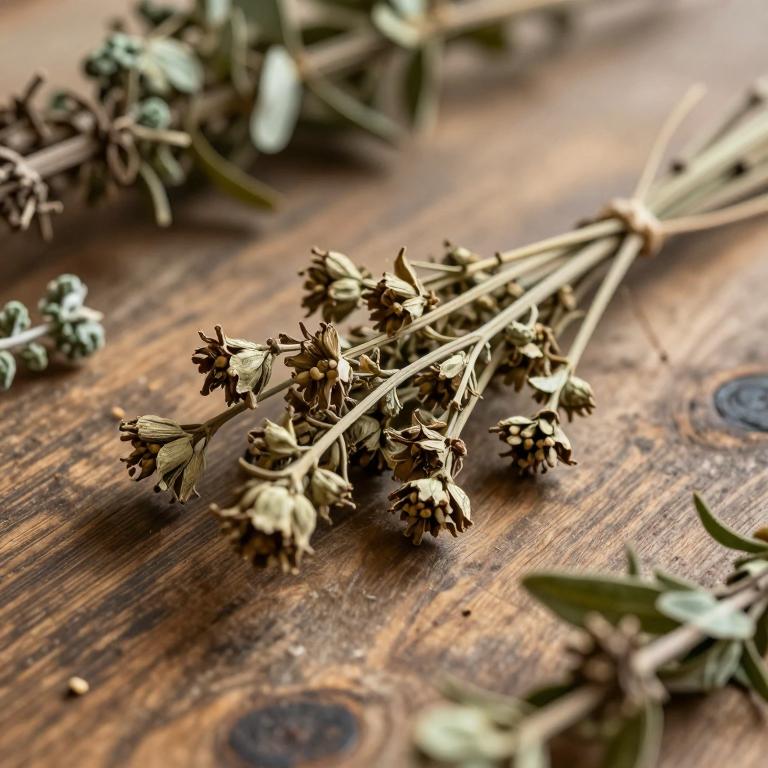
Dracocephalum polychaetum, scientifically known as Dracocephalum polychaetum, is a captivating member of the Lamiaceae family. This aromatic medicinal herb is celebrated for its diverse bioactive compounds. Often utilized in traditional practices, it offers significant therapeutic potential, particularly for its antioxidant, antimicrobial, and anti-inflammatory properties in herbal medicine.
- Family
- Lamiaceae
- Native range
- Asia-Temperate
- Parts used
- Not available
- Common names
- Not available
- Scientific synonyms
- Not available
Names and Synonyms
Scientific Names
Accepted name
Dracocephalum polychaetumSources: Wikidata
Taxonomical Classification
This plant, Dracocephalum polychaetum, belongs to the kingdom Plantae and the phylum Streptophyta. Within the class Equisetopsida and subclass Magnoliidae, it is classified under the order Lamiales and the family Lamiaceae. Finally, it is categorized under the genus Dracocephalum.
| Rank | Classification |
|---|---|
| Kingdom | Plantae |
| Phylum | Streptophyta |
| Class | Equisetopsida |
| Subclass | Magnoliidae |
| Order | Lamiales |
| Family | Lamiaceae |
| Genus | Dracocephalum |
Sources: The World Checklist of Vascular Plants (WCVP)
Distribution
This plant is characterized by a very specific and limited geographical range. According to botanical records, its natural habitat is primarily concentrated within Western Asia. Specifically, the species is known to occur natively in the country of Iran. This localized distribution suggests that it thrives under the unique climatic conditions found in that particular region. Consequently, its presence is highly restricted to these specific environmental niches within the Iranian landscape.
| Region | Area |
|---|---|
| Western Asia | Iran |
Sources: The World Checklist of Vascular Plants (WCVP)
Botanical Identification
Life history
The life history of Dracocephalum polychaetum is characterized by its specific ecological strategy and growth habit, classified primarily as a chamaephyte. In terms of its life form categorization, it functions as a chamaephyte, meaning its perennating buds are located close to the soil surface, typically just above the ground level, which allows it to survive seasonal environmental stresses. When further detailed through various botanical life form classifications, it is consistently identified as a chamaephyte (Life_form_1) and maintains this chamaephyte status (Life_form_2) within the broader spectrum of plant growth strategies such as phanerophytes, hemicryptophytes, or therophytes. This life history enables the plant to persist in its specific habitat by maintaining a low-growing stature that protects its vital organs from extreme temperature fluctuations and physical disturbances.
- Life form :
- chamaephyte
Morphology
The morphology of Dracocephalum polychaetum is characterized by its growth habit as a self-supporting plant, lacking the specialized structures required to function as an obligatory or facultative climber. It does not exhibit any climbing tendencies, maintaining its structural integrity independently within its habitat. Furthermore, the species is strictly independent in its nutritional requirements, showing no parasitic behavior, whether obligatory or facultative. Morphologically, it is a terrestrial plant, as it lacks the adaptations necessary to exist as an epiphyte, growing instead directly in soil substrates rather than on other vegetation.
- Climber :
- self-supporting
- Epiphyte :
- terrestrial
- Parasite :
- independent
Sources: Global Inventory of Floras and Traits (GIFT)
Chemicals
Dracocephalum polychaetum has 9 reported phytochemicals identified across 0 scientific publications and several other databases. The most consistently reported chemicals include 1,8-Cineol, Biosol, CARVACROL, Flavonoids, LIMONENE.
| Chemical | Supporting sources | Consensus |
|---|---|---|
| 1,8-Cineol | 1 supporting sources | ★☆☆☆☆ |
| Biosol | 1 supporting sources | ★☆☆☆☆ |
| CARVACROL | 1 supporting sources | ★☆☆☆☆ |
| Flavonoids | 1 supporting sources | ★☆☆☆☆ |
| LIMONENE | 1 supporting sources | ★☆☆☆☆ |
| Perilla aldehyde | 1 supporting sources | ★☆☆☆☆ |
| Terpinyl acetate | 1 supporting sources | ★☆☆☆☆ |
| l-Perillaldehyde | 1 supporting sources | ★☆☆☆☆ |
| quercetin | 1 supporting sources | ★☆☆☆☆ |
1,8-Cineol
- Natural product research
Biosol
- Natural product research
CARVACROL
- Natural product research
Flavonoids
- Pharmaceutical biology
LIMONENE
- Natural product research
Perilla aldehyde
- Natural product research
Terpinyl acetate
- Natural product research
l-Perillaldehyde
- Natural product research
quercetin
- Pharmaceutical biology
Activities
Dracocephalum polychaetum has 3 reported activities identified across 0 scientific publications and several other databases. The most consistently reported activities include Antidiabetic, Antihyperlipidemic, Antioxidant.
| Activity | Supporting sources | Consensus |
|---|---|---|
| Antidiabetic | 1 supporting sources | ★☆☆☆☆ |
| Antihyperlipidemic | 1 supporting sources | ★☆☆☆☆ |
| Antioxidant | 1 supporting sources | ★☆☆☆☆ |
Antidiabetic
- Pharmaceutical biology
Antihyperlipidemic
- Pharmaceutical biology
Antioxidant
- Pharmaceutical biology
Conditions
Dracocephalum polychaetum has 4 reported investigations on conditions identified across 0 scientific publications and several other databases. The most consistently reported conditions include Pseudomonas aeruginosa, Staphylococcus epidermidis, antihyperlipidemic, chronic diseases.
| Condition | Supporting sources | Consensus |
|---|---|---|
| Pseudomonas aeruginosa | 1 supporting sources | ★☆☆☆☆ |
| Staphylococcus epidermidis | 1 supporting sources | ★☆☆☆☆ |
| Antihyperlipidemic | 1 supporting sources | ★☆☆☆☆ |
| Chronic diseases | 1 supporting sources | ★☆☆☆☆ |
Pseudomonas aeruginosa
- Natural product research
Staphylococcus epidermidis
- Natural product research
Antihyperlipidemic
- Pharmaceutical biology
Chronic diseases
- Journal of ethnobiology and ethnomedicine
Preparations
Dracocephalum polychaetum has 4 reported preparations identified across 0 scientific publications and several other databases. The most consistently reported preparations include Dracocephalum polychaetum shoot extract, essential oil from aerial parts, essential oils, methanol extract of D. polychaetum aerial parts.
| Preparation | Supporting sources | Consensus |
|---|---|---|
| Dracocephalum polychaetum shoot extract | 1 supporting sources | ★☆☆☆☆ |
| Essential oil from aerial parts | 1 supporting sources | ★☆☆☆☆ |
| Essential oils | 1 supporting sources | ★☆☆☆☆ |
| Methanol extract of d. polychaetum aerial parts | 1 supporting sources | ★☆☆☆☆ |
Dracocephalum polychaetum shoot extract
- Pharmaceutical biology
Essential oil from aerial parts
- Natural product research
Essential oils
- Natural product research
Methanol extract of d. polychaetum aerial parts
- Pharmaceutical biology