Dracocephalum foetidum
Dracocephalum foetidum · Accepted scientific name
Scientific literature: Very Sparse (0 studies) · ★☆☆☆☆
Dracocephalum foetidum is a distinctive member of the Lamiaceae family known for its unique aromatic properties. This plant is often studied for its complex chemical composition, which can be effectively isolated through specific laboratory techniques. In particular, the use of an acetone extract allows for the concentrated collection of its bioactive secondary metabolites. Such preparations serve as a critical starting point for exploring the plant's potential medicinal or industrial applications. Understanding these chemical profiles is essential for advancing research into the botanical significance of this species.
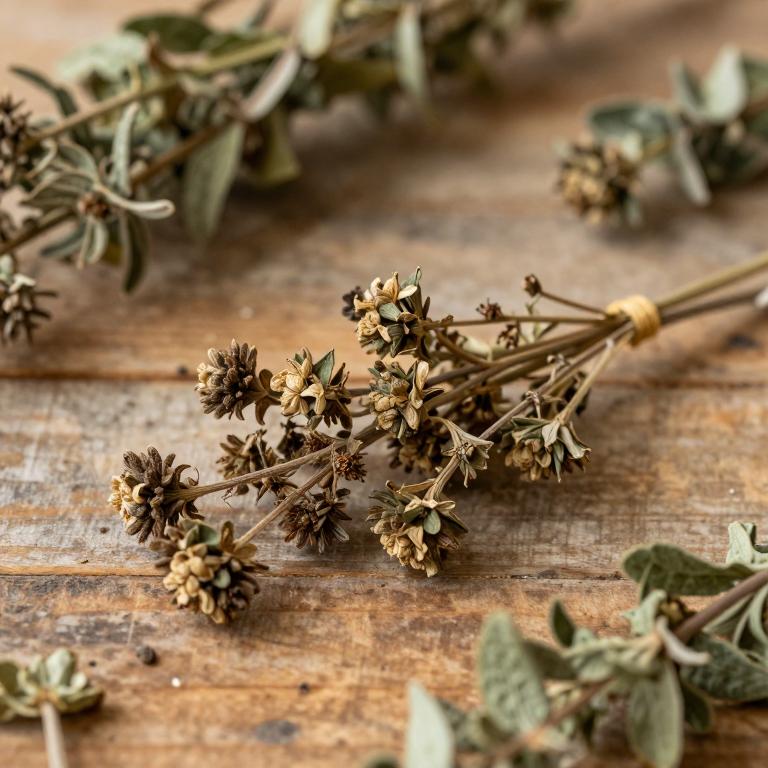
- Synonyms
- Dracocephalum Moldavicum Var. Foetidum
- Common names
- Not available
- Family
- Lamiaceae
- Distribution
- Africa
- Plant Parts
- Not available
Classification
Common Names
Dracocephalum foetidum is a distinctive plant known by several descriptive names across different languages. In English-speaking regions, it is commonly referred to as Fetid Dragonhead due to its unique scent and appearance. This characteristic is also reflected in its Russian name, Змееголовник вонючий, which captures its pungent nature. Similarly, the plant is recognized in Mongolian as Өмхий шимэлдэг, highlighting its aromatic properties. These various linguistic labels all point to the same striking botanical species.
Sources: Catalogue of Life (COL)
Synonyms
Dracocephalum foetidum is a distinctive species that is sometimes identified through alternative botanical classifications. In various scientific records, it is recognized by the synonym Dracocephalum moldavicum var. foetidum. This taxonomic relationship highlights the complex history of naming and categorizing different plant varieties. Understanding these connections is essential for researchers seeking to maintain accuracy in botanical literature. Consequently, recognizing both names ensures that information regarding this plant remains consistent across different studies.
Sources: The World Checklist of Vascular Plants (WCVP)
Taxonomy
Dracocephalum foetidum is a unique botanical specimen belonging to the vast kingdom Plantae. Within this massive group, the plant is classified under the class Equisetopsida. It specifically falls under the order Lamiales, which helps define its structural characteristics. As a member of the Lamiaceae family, it shares common traits with many well-known aromatic herbs. Ultimately, this species is identified by its specific genus, Dracocephalum.
| Rank | Classification |
|---|---|
| Kingdom | Plantae |
| Phylum | Streptophyta |
| Class | Equisetopsida |
| Subclass | Magnoliidae |
| Order | Lamiales |
| Family | Lamiaceae |
| Genus | Dracocephalum |
Sources: The World Checklist of Vascular Plants (WCVP)
Distribution
Geographic Regions
Dracocephalum foetidum is a plant species primarily distributed throughout the Asia-Temperate region. Its natural range extends across the vast landscapes of Mongolia, where it can be found growing in diverse environments. Significant populations are also located within the Siberian territories, specifically spanning the Altay and Krasnoyarsk areas. Additionally, the species is well-established in the Tuva region of Siberia. These specific geographical connections highlight the plant's preference for the unique climates of Central and Northern Asia.
Sources: The World Checklist of Vascular Plants (WCVP)
Identification
Morphology
Dracocephalum foetidum is a small herb characterized by its compact and self-supporting growth form. This species typically maintains a very modest stature within its natural habitat. Its height generally ranges from a minimum of 0.05 m to a maximum of 0.15 m. Such a diminutive profile makes it a subtle yet distinctive element of the local flora.
Sources: Global Inventory of Floras and Traits (GIFT)
Biological Activities
Compounds
Conditions
Preparations
Dracocephalum foetidum is prepared as an acetone extract to facilitate the chemical investigation of its aerial parts. This specific extraction process allows for the isolation of various monoterpene glycosides, phenylpropanoids, and acacetin glycosides. Through this method, researchers identified three limonene glycosides and several rosmarinic acid glucosides. The resulting acetone extract also yielded a caffeic acid trimer and five acacetin acyl glycosides. Ultimately, these components extracted from the plant were evaluated for their hyaluronidase inhibitory and radical scavenging activities.