Dracaena arborea
Dracaena arborea · Accepted scientific name
Scientific literature: Very Sparse (9 studies) · ★☆☆☆☆
, scientifically known as Dracaena arborea, is a striking evergreen shrub prized for its ornamental beauty and potential medicinal properties. Native to diverse subtropical regions, it features architectural foliage and robust growth. Traditionally used in various holistic practices, this resilient plant offers unique bioactive compounds worthy of botanical exploration.
- Family
- Asparagaceae
- Native range
- Africa
- Parts used
- Root · Seed
- Common names
- Not available
- Scientific synonyms
- Cordyline Arborea · Aletris Arborea · 4 more
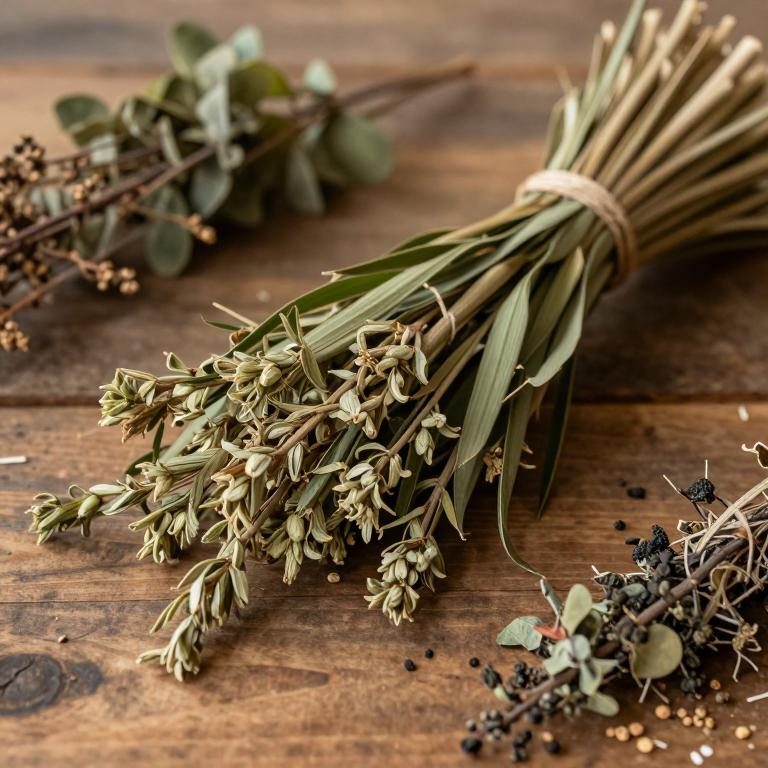
Names and Synonyms
Scientific Names
Accepted name
Dracaena arboreaSynonyms
- Cordyline arborea
- Aletris arborea
- Pleomele arborea
- Dracaena arborea var. baumannii
- Dracaena knerkiana
- Draco arborea
Sources: Wikidata
Taxonomical Classification
This plant belongs to the kingdom Plantae and the phylum Streptophyta within the class Equisetopsida. It is further classified under the subclass Magnoliidae and the order Asparagales, falling into the family Asparagaceae. Finally, its taxonomic identity is defined by the genus Dracaena.
| Rank | Classification |
|---|---|
| Kingdom | Plantae |
| Phylum | Streptophyta |
| Class | Equisetopsida |
| Subclass | Magnoliidae |
| Order | Asparagales |
| Family | Asparagaceae |
| Genus | Dracaena |
Sources: The World Checklist of Vascular Plants (WCVP)
Distribution
This plant exhibits a specific distribution pattern concentrated within the West Tropical Africa region. It can be found growing naturally in the country of Ghana. Furthermore, its habitat extends into the coastal and inland areas of Guinea. The species is also documented across the landscapes of Ivory Coast and Liberia. Finally, its geographical range continues eastward into Nigeria.
| Region | Area |
|---|---|
| West Tropical Africa | Ghana |
| West Tropical Africa | Guinea |
| West Tropical Africa | Ivory Coast |
| West Tropical Africa | Liberia |
| West Tropical Africa | Nigeria |
| West Tropical Africa | Sierra Leone |
| West Tropical Africa | Togo |
| West-Central Tropical Africa | Central African Republic |
| West-Central Tropical Africa | Cameroon |
| West-Central Tropical Africa | Congo |
Sources: The World Checklist of Vascular Plants (WCVP)
Botanical Identification
Life history
The life history of Dracaena arborea is characterized by its growth habit as a phanerophyte, specifically functioning as both a phanerophyte and a nanophanerophyte depending on its developmental stage and environmental conditions. As a perennial woody plant, it maintains its perennating buds well above the ground, allowing it to establish a stable and long-lived presence within its ecosystem. Its life cycle involves a slow maturation process where it develops a robust structural framework, transitioning from smaller forms to more significant woody stature. This phanerophyte classification ensures its survival through varying seasonal shifts, as its vital organs are protected in elevated, woody tissues rather than being sequestered at the soil surface or underground.
- Life form :
- phanerophyte
Morphology
The morphology of Dracaena arborea is characterized by its robust growth form as a woody tree. This species is a self-supporting, independent organism that does not function as a parasite or an epiphyte, maintaining a strictly terrestrial existence rather than being aquatic or semiaquatic. In terms of stature, the plant exhibits significant vertical development, with its height ranging from a minimum of approximately 9.14 meters to a maximum of 13.72 meters, while reaching a mean height of 30 meters.
- Aquatic :
- terrestrial
- Climber :
- self-supporting
- Epiphyte :
- terrestrial
- Growth form :
- tree
- Parasite :
- independent
- Plant height max:
- 13.71616679 m
- Plant height mean:
- 30 m
- Plant height min:
- 9.144111192 m
- Woodiness :
- woody
Reproduction
The reproduction of Dracaena arborea is characterized by a flexible flowering phenology that allows for seasonal variability. The flowering period for this species is highly adaptable, with the flowering start time being variable across the months, encompassing the entire calendar year from January through December. Similarly, the flowering end period is not strictly confined to a specific season but is also variable, meaning the plant can transition through its reproductive stages at different times depending on environmental conditions. This broad temporal range in flowering suggests that the plant can respond dynamically to its habitat, facilitating reproductive opportunities throughout various months of the year.
- Flowering time :
- Feb
Sources: Global Inventory of Floras and Traits (GIFT)
Plant Parts
Dracaena arborea has 2 reported plant parts identified across 2 scientific publications and several other databases that are studied for medicinal purposes. The most consistently reported plant part include root, seed.
| Plant part | Supporting sources | Consensus |
|---|---|---|
| Root | 1 supporting sources | ★☆☆☆☆ |
| Seed | 1 supporting sources | ★☆☆☆☆ |
Root
- International journal of impotence research
Seed
- Advances in experimental medicine and biology
Chemicals
Dracaena arborea has 2 reported phytochemicals identified across 2 scientific publications and several other databases. The most consistently reported chemicals include Saponins, spiroconazole A.
| Chemical | Supporting sources | Consensus |
|---|---|---|
| Saponins | 1 supporting sources | ★☆☆☆☆ |
| spiroconazole A | 1 supporting sources | ★☆☆☆☆ |
Saponins
- Advances in experimental medicine and biology
spiroconazole A
- Advances in experimental medicine and biology
Activities
Dracaena arborea has 3 reported activities identified across 2 scientific publications and several other databases. The most consistently reported activities include Antimalarial, Aphrodisiac, Bacteriostatic.
| Activity | Supporting sources | Consensus |
|---|---|---|
| Antimalarial | 1 supporting sources | ★☆☆☆☆ |
| Aphrodisiac | 1 supporting sources | ★☆☆☆☆ |
| Bacteriostatic | 1 supporting sources | ★☆☆☆☆ |
Antimalarial
- Advances in experimental medicine and biology
Aphrodisiac
- International journal of impotence research
Bacteriostatic
- Advances in experimental medicine and biology
Conditions
Dracaena arborea has 2 reported investigations on conditions identified across 2 scientific publications and several other databases. The most consistently reported conditions include antimalarial, aphrodisiac.
| Condition | Supporting sources | Consensus |
|---|---|---|
| Antimalarial | 1 supporting sources | ★☆☆☆☆ |
| Aphrodisiac | 1 supporting sources | ★☆☆☆☆ |
Antimalarial
- Advances in experimental medicine and biology
Aphrodisiac
- International journal of impotence research
Preparations
Dracaena arborea has 2 reported preparations identified across 2 scientific publications and several other databases. The most consistently reported preparations include aqueous and ethanolic extracts from the dried roots, methanol extracts of seed pulp.
| Preparation | Supporting sources | Consensus |
|---|---|---|
| Aqueous and ethanolic extracts from the dried roots | 1 supporting sources | ★☆☆☆☆ |
| Methanol extracts of seed pulp | 1 supporting sources | ★☆☆☆☆ |
Aqueous and ethanolic extracts from the dried roots
- International journal of impotence research
Methanol extracts of seed pulp
- Advances in experimental medicine and biology