Dracaena angolensis
Dracaena angolensis · Accepted scientific name
Scientific literature: Very Sparse (0 studies) · ★☆☆☆☆
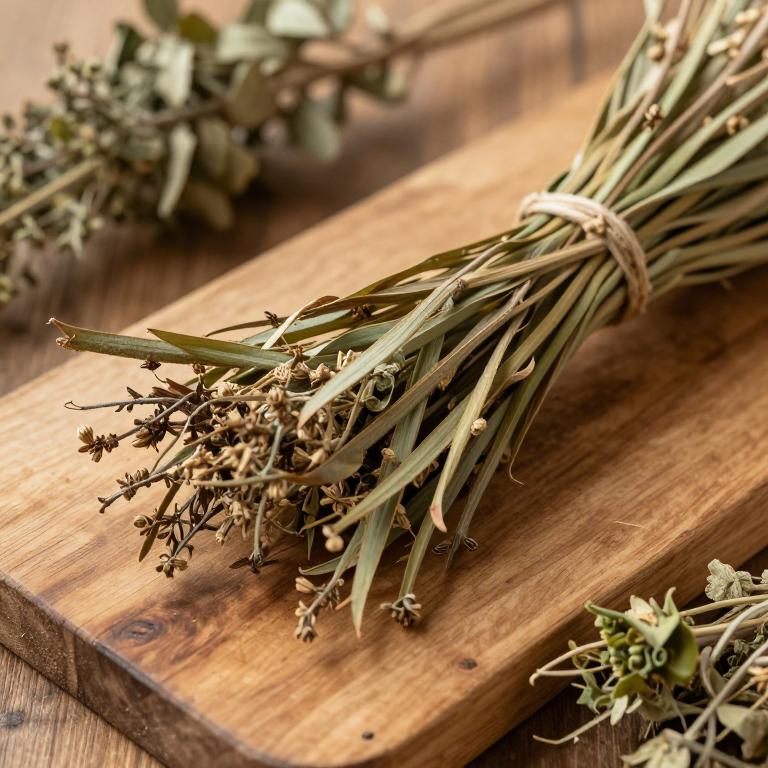
Dracaena angolensis is a striking succulent known for its architectural leaves and ability to thrive in varied environments. While often appreciated as a decorative indoor plant, it holds significant interest in the realm of traditional medicine. Various parts of the plant are utilized in specific herbal preparation methods to address different health concerns. These preparations require careful handling to ensure that the bioactive components are used effectively and safely. Understanding its botanical properties is essential for anyone exploring its potential role in herbalism.
- Synonyms
- Sansevieria Livingstoniae · Acyntha Cylindrica · 4 more
- Common names
- Not available
- Family
- Asparagaceae
- Distribution
- Not available
- Plant Parts
- Not available
Classification
Synonyms
Dracaena angolensis is a botanical subject known for its complex taxonomic history and multiple scientific aliases. Throughout various studies, this plant has been identified by several synonyms, including Acyntha cylindrica and Cordyline cylindrica. Many researchers have also historically categorized it under the Sansevieria genus, referring to it as Sansevieria angolensis or Sansevieria cylindrica. Furthermore, specific variations such as Sansevieria cylindrica var. patula have been linked to its classification. Understanding these diverse naming conventions is essential for accurately identifying the species in botanical literature.
Sources: The World Checklist of Vascular Plants (WCVP)
Taxonomy
Dracaena angolensis belongs to the vast kingdom Plantae, representing a diverse group of living organisms. Within this realm, it is classified under the class Equisetopsida, which distinguishes its fundamental biological structure. The species is further nested within the order Asparagales, reflecting its evolutionary connections to related flowering plants. It also falls under the family Asparagaceae, a group known for its unique botanical characteristics. Finally, its taxonomic journey leads us to the genus Dracaena, where it shares a name with many iconic ornamental species.
| Rank | Classification |
|---|---|
| Kingdom | Plantae |
| Phylum | Streptophyta |
| Class | Equisetopsida |
| Subclass | Magnoliidae |
| Order | Asparagales |
| Family | Asparagaceae |
| Genus | Dracaena |
Sources: The World Checklist of Vascular Plants (WCVP)
Distribution
Geographic Regions
Dracaena angolensis is a resilient plant found throughout various regions of the African continent. Its natural distribution spans across South Tropical Africa, including the nations of Angola, Zambia, and Zimbabwe. Furthermore, the species extends its reach into West-Central Tropical Africa to inhabit diverse landscapes. Within this central belt, it can be specifically located in territories such as the Central African Republic and Rwanda. This wide geographic range highlights the plant's ability to adapt to different tropical environments.
Sources: The World Checklist of Vascular Plants (WCVP)
Identification
Morphology
Dracaena angolensis is a compact herb that maintains a sturdy, self-supporting growth form. This resilient plant typically reaches a modest maximum height of only 0.8 meters. Its structured development makes it an ideal choice for various landscaping and decorative needs.
Sources: Global Inventory of Floras and Traits (GIFT)
Biological Activities
Compounds
Conditions
Dracaena angolensis, also known as Sansevieria cylindrica, is a key component of an indigenous herbal preparation used to treat venom toxicity. Research indicates that this plant helps neutralize the lethal effects of Daboia russelii venom, significantly increasing its LD50 value in chicken embryo models. Furthermore, the plant preparation demonstrates a strong ability to mitigate the toxicity of Naja naja venom. This neutralizing action is achieved by significantly reducing the activity of critical toxin families such as Phospholipase A2 and Metalloproteases. Through these mechanisms, the plant serves as a potential plant-based antidote for envenomation by both Russell's viper and the common cobra.
Preparations
Dracaena angolensis is prepared as a herbal preparation according to the botanical relationships described. Although the provided abstract focuses on a specific indigenous medication containing Sansevieria cylindrica, Jatropha podagrica, and Citrus aurantiifolia, the relationship involving Dracaena angolensis identifies its use in medicinal formulations. This plant serves as a component within traditional herbal preparations intended to address specific biological activities. The preparation's efficacy is measured through its ability to interact with various toxins. Consequently, the classification of Dracaena angolensis as a substance prepared for herbal use is established.