Doratoxylon apetalum
Doratoxylon apetalum · Accepted scientific name
Scientific literature: Very Sparse (20 studies) · ★☆☆☆☆
Doratoxylon apetalum, scientifically known as Doratoxylon apetalum, is a remarkable medicinal plant valued for its potent therapeutic properties. Renowned in traditional medicine, it contains unique bioactive compounds used to treat various ailments. This guide explores its botanical characteristics, traditional uses, and the scientific potential of its natural healing abilities.
- Family
- Sapindaceae
- Native range
- Africa
- Parts used
- Not available
- Common names
- Not available
- Scientific synonyms
- Stadtmannia Diversifolia · Hypelate Diversifolia · 7 more
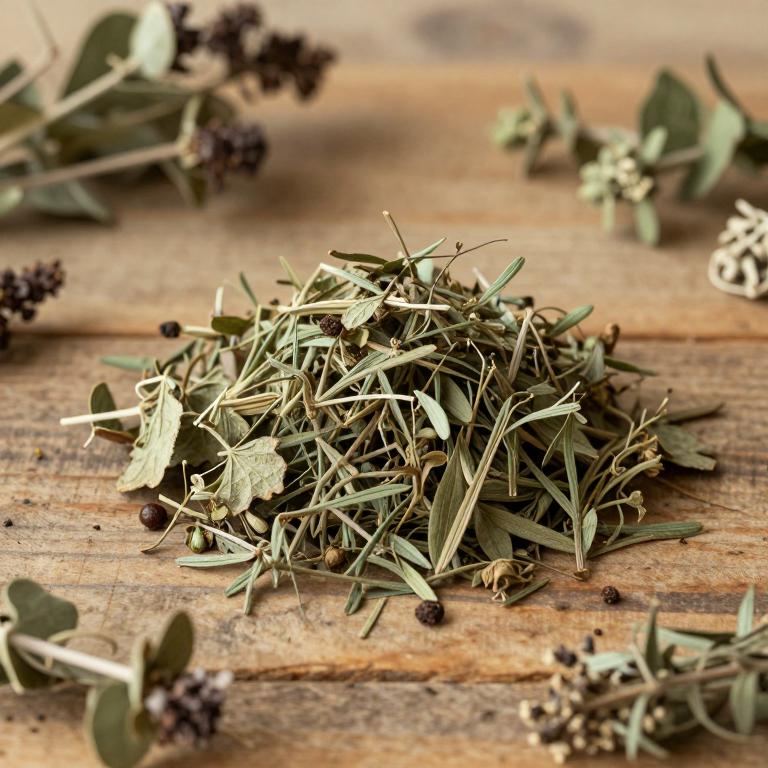
Names and Synonyms
Scientific Names
Accepted name
Doratoxylon apetalumSynonyms
- Stadtmannia diversifolia
- Hypelate diversifolia
- Hippobromus apetalus var. diphyllus
- Doratoxylon apetalum subsp. madagascariense
- Melicoccus diversifolia
- Melicoccus diphylla
- Melicoccus apetala
- Hippobromus apetalus
- Doratoxylon diversifolium
Regional and Traditional Names
French:
- Bois de gaulette
Sources: Wikidata, Catalogue of Life
Taxonomical Classification
This plant belongs to the kingdom Plantae within the phylum Streptophyta and is classified under the class Equisetopsida. It is further organized into the subclass Magnoliidae and the order Sapindales, falling under the family Sapindaceae. Finally, the medicinal species is identified by the genus Doratoxylon.
| Rank | Classification |
|---|---|
| Kingdom | Plantae |
| Phylum | Streptophyta |
| Class | Equisetopsida |
| Subclass | Magnoliidae |
| Order | Sapindales |
| Family | Sapindaceae |
| Genus | Doratoxylon |
Sources: The World Checklist of Vascular Plants (WCVP)
Distribution
This plant is specifically found within the unique ecosystems of the Western Indian Ocean. Its natural range is restricted to several key island locations in this oceanic region. Specifically, researchers have documented its presence on the island of Mauritius. Additionally, the species can be located on the island of Réunion. Consequently, its geographical distribution is quite localized to these specific maritime territories.
| Region | Area |
|---|---|
| Western Indian Ocean | Mauritius |
| Western Indian Ocean | Réunion |
Sources: The World Checklist of Vascular Plants (WCVP)
Botanical Identification
Morphology
The morphology of Doratoxylon apetalum is characterized by its robust growth form, which classifies it as a tree. It exhibits a woody structure, providing the necessary mechanical support for its stature. In terms of its ecological habitat and positioning, the plant is terrestrial rather than aquatic or semiaquatic, and it functions as a terrestrial organism rather than an obligatory or facultative epiphyte.
- Aquatic :
- terrestrial
- Epiphyte :
- terrestrial
- Growth form :
- tree
- Woodiness :
- woody
Sources: Global Inventory of Floras and Traits (GIFT)
Chemicals
Doratoxylon apetalum has 9 reported phytochemicals identified across 0 scientific publications and several other databases. The most consistently reported chemicals include polyphenols, CHLOROGENIC ACID, Epicatechin, Flavonoids, Procyanidins.
| Chemical | Supporting sources | Consensus |
|---|---|---|
| polyphenols | 2 supporting sources | ★☆☆☆☆ |
| CHLOROGENIC ACID | 1 supporting sources | ★☆☆☆☆ |
| Epicatechin | 1 supporting sources | ★☆☆☆☆ |
| Flavonoids | 1 supporting sources | ★☆☆☆☆ |
| Procyanidins | 1 supporting sources | ★☆☆☆☆ |
| caffeic acid | 1 supporting sources | ★☆☆☆☆ |
| hydrogen peroxide | 1 supporting sources | ★☆☆☆☆ |
| kaempferol | 1 supporting sources | ★☆☆☆☆ |
| quercetin | 1 supporting sources | ★☆☆☆☆ |
polyphenols
- Antioxidants (Basel, Switzerland)
- Journal of inflammation (London, England)
CHLOROGENIC ACID
- Journal of inflammation (London, England)
Epicatechin
- Journal of inflammation (London, England)
Flavonoids
- Journal of inflammation (London, England)
Procyanidins
- Journal of inflammation (London, England)
caffeic acid
- Journal of inflammation (London, England)
hydrogen peroxide
- Free radical research
kaempferol
- Journal of inflammation (London, England)
quercetin
- Journal of inflammation (London, England)
Activities
Doratoxylon apetalum has 3 reported activities identified across 0 scientific publications and several other databases. The most consistently reported activities include Antioxidant, Antiapoptotic, Cytoprotective.
| Activity | Supporting sources | Consensus |
|---|---|---|
| Antioxidant | 2 supporting sources | ★☆☆☆☆ |
| Antiapoptotic | 1 supporting sources | ★☆☆☆☆ |
| Cytoprotective | 1 supporting sources | ★☆☆☆☆ |
Antioxidant
- Antioxidants (Basel, Switzerland)
- Free radical research
Antiapoptotic
- Antioxidants (Basel, Switzerland)
Cytoprotective
- Antioxidants (Basel, Switzerland)
Conditions
Doratoxylon apetalum has 5 reported investigations on conditions identified across 0 scientific publications and several other databases. The most consistently reported conditions include Zika Virus Infection, cardiovascular diseases, dengue virus, inflammation, oxidative stress.
| Condition | Supporting sources | Consensus |
|---|---|---|
| Zika virus infection | 1 supporting sources | ★☆☆☆☆ |
| Cardiovascular diseases | 1 supporting sources | ★☆☆☆☆ |
| Dengue virus | 1 supporting sources | ★☆☆☆☆ |
| Inflammation | 1 supporting sources | ★☆☆☆☆ |
| Oxidative stress | 1 supporting sources | ★☆☆☆☆ |
Zika virus infection
- International journal of molecular sciences
Cardiovascular diseases
- Antioxidants (Basel, Switzerland)
Dengue virus
- Current drug targets
Inflammation
- Journal of inflammation (London, England)
Oxidative stress
- Free radical research
Preparations
Doratoxylon apetalum has 3 reported preparations identified across 0 scientific publications and several other databases. The most consistently reported preparations include dry plant powder, polyphenol-rich extract, polyphenol-rich extracts.
| Preparation | Supporting sources | Consensus |
|---|---|---|
| Dry plant powder | 1 supporting sources | ★☆☆☆☆ |
| Polyphenol-rich extract | 1 supporting sources | ★☆☆☆☆ |
| Polyphenol-rich extracts | 1 supporting sources | ★☆☆☆☆ |
Dry plant powder
- Antioxidants (Basel, Switzerland)
Polyphenol-rich extract
- Free radical research
Polyphenol-rich extracts
- Journal of inflammation (London, England)