Doona ovalifolia
Doona ovalifolia · Accepted scientific name
Scientific literature: Very Sparse (25 studies) · ★☆☆☆☆
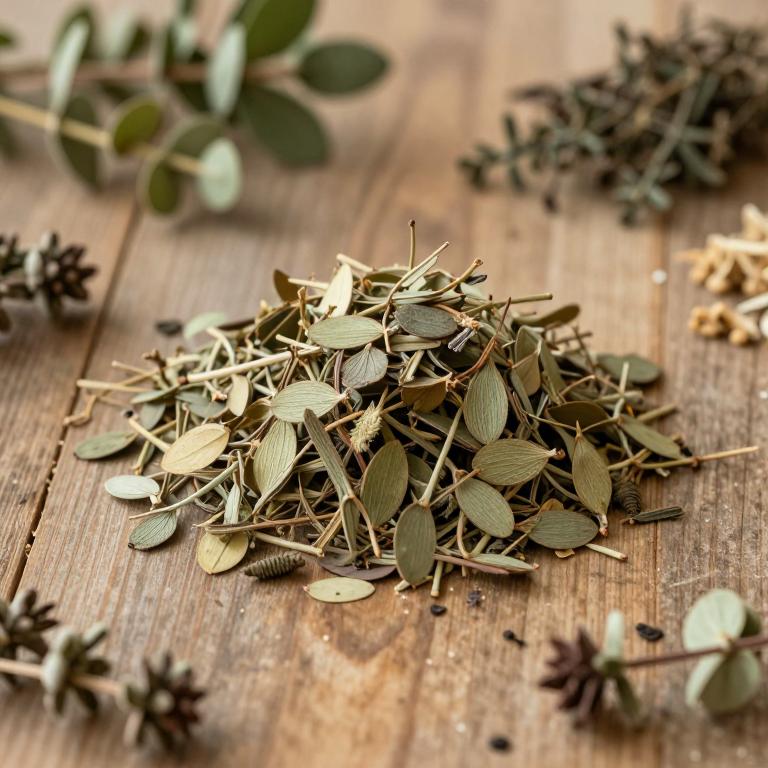
Doonna ovalifolia, scientifically known as Doonna ovalifolia, is a remarkable medicinal plant valued for its therapeutic properties. Native to specific ecological niches, it is traditionally used in various healing practices to treat diverse ailments. Understanding its botanical characteristics and pharmacological potential is essential for exploring its medicinal significance.
- Family
- Not available
- Native range
- Asia-Tropical
- Parts used
- Not available
- Common names
- Not available
- Scientific synonyms
- Not available
Names and Synonyms
Scientific Names
Accepted name
Doona ovalifoliaDistribution
This plant exhibits a specific and limited geographical range within the tropical regions of Asia. Its distribution is primarily centered within the Indian Subcontinent, where it finds suitable environmental conditions to thrive. Specifically, its presence has been documented in the island nation of Sri Lanka. Beyond this particular area, the species does not show a widespread or global occurrence. Consequently, its natural habitat remains closely tied to these specific South Asian territories.
| Region | Area |
|---|---|
| Indian Subcontinent | Sri Lanka |
Sources: The World Checklist of Vascular Plants (WCVP)
Chemicals
Doona ovalifolia has 2 reported phytochemicals identified across 0 scientific publications and several other databases. The most consistently reported chemicals include Betulin, betulinic acid.
| Chemical | Supporting sources | Consensus |
|---|---|---|
| Betulin | 1 supporting sources | ★☆☆☆☆ |
| betulinic acid | 1 supporting sources | ★☆☆☆☆ |
Betulin
- Dr. Duke
betulinic acid
- Dr. Duke
Activities
Doona ovalifolia has 23 reported activities identified across 0 scientific publications and several other databases. The most consistently reported activities include Anthelmintic, AntiHIV, Antibacterial, Anticancer, Anticarcinomic.
| Activity | Supporting sources | Consensus |
|---|---|---|
| Anthelmintic | 1 supporting sources | ★☆☆☆☆ |
| AntiHIV | 1 supporting sources | ★☆☆☆☆ |
| Antibacterial | 1 supporting sources | ★☆☆☆☆ |
| Anticancer | 1 supporting sources | ★☆☆☆☆ |
| Anticarcinomic | 1 supporting sources | ★☆☆☆☆ |
| Antiedemic | 1 supporting sources | ★☆☆☆☆ |
| Antifeedant | 1 supporting sources | ★☆☆☆☆ |
| Antiflu | 1 supporting sources | ★☆☆☆☆ |
| Antiinflammatory | 1 supporting sources | ★☆☆☆☆ |
| Antileukemic | 1 supporting sources | ★☆☆☆☆ |
Anthelmintic
- Dr. Duke
AntiHIV
- Dr. Duke
Antibacterial
- Dr. Duke
Anticancer
- Dr. Duke
Anticarcinomic
- Dr. Duke
Antiedemic
- Dr. Duke
Antifeedant
- Dr. Duke
Antiflu
- Dr. Duke
Antiinflammatory
- Dr. Duke
Antileukemic
- Dr. Duke