Dolichandrone atrovirens
Dolichandrone atrovirens · Accepted scientific name
Scientific literature: Very Sparse (0 studies) · ★☆☆☆☆
Dolichandrone atrovirens is a notable botanical species known for its unique phytochemical profile. Research into its chemical composition has identified several significant compounds, including 10-O-trans-p-methoxycinnamoylcatalpol and ixoside. Furthermore, the plant contains bioactive constituents such as lupeol and maslinic acid. These various substances are often studied through specific laboratory methods, such as the use of a chloroform extract. Understanding these components provides valuable insight into the potential medicinal properties of the species.
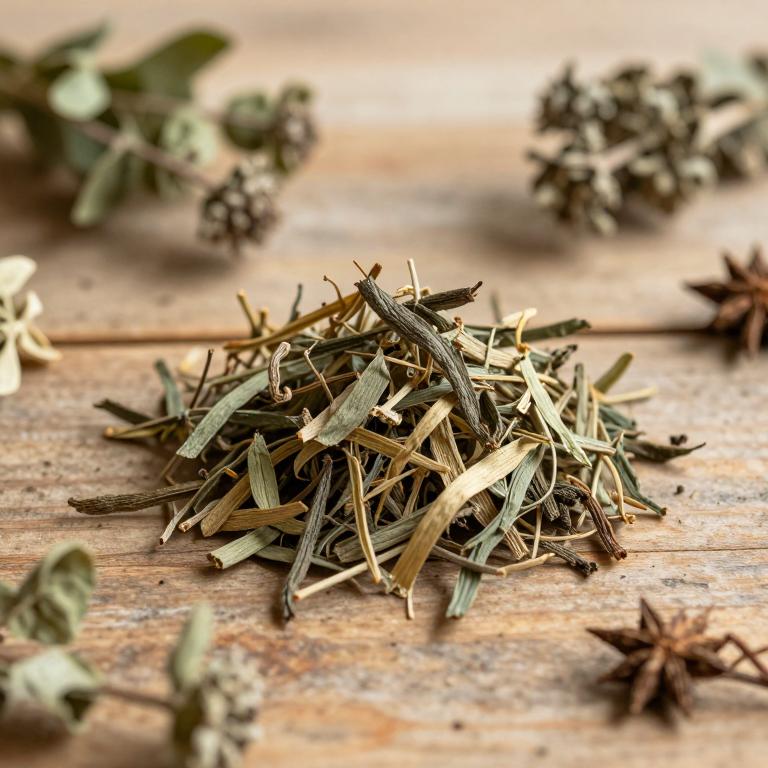
- Synonyms
- Spathodea Atrovirens · Dolichandrone Crispa · 1 more
- Common names
- Not available
- Family
- Bignoniaceae
- Distribution
- Southern America
- Plant Parts
- Not available
Classification
Common Names
Dolichandrone atrovirens is a distinctive botanical species known by several unique regional and descriptive names. In certain local contexts, this plant is frequently referred to as Pampaadhiri. It is also recognized by the common name Vanka nirodi among various communities. Beyond these traditional titles, it is widely celebrated in English as the Wavy trumpet due to its striking floral shape. Understanding these diverse names helps enthusiasts identify the plant across different linguistic and cultural landscapes.
Sources: Catalogue of Life (COL)
Synonyms
Dolichandrone atrovirens is a species that has been classified under several different botanical names throughout history. It is recognized by the synonyms Bignonia atrovirens and Bignonia crispa, reflecting shifts in taxonomic understanding. The plant is also linked to the names Dolichandrone crispa and Spathodea atrovirens in various scientific records. Additionally, the designation Spathodea crispa serves as another synonym associated with this particular taxon. These overlapping identities highlight the complex nomenclatural journey of this unique tree.
Sources: The World Checklist of Vascular Plants (WCVP)
Taxonomy
Dolichandrone atrovirens is a fascinating botanical specimen that belongs to the kingdom Plantae. Within this vast kingdom, it is specifically classified under the class Equisetopsida. Its biological lineage continues through the order Lamiales, which defines many of its structural characteristics. This plant is further categorized under the genus Dolichandrone, showcasing its unique evolutionary path. Finally, it finds its place within the diverse family Bignoniaceae, marking its distinct position in the natural world.
| Rank | Classification |
|---|---|
| Kingdom | Plantae |
| Phylum | Streptophyta |
| Class | Equisetopsida |
| Subclass | Magnoliidae |
| Order | Lamiales |
| Family | Bignoniaceae |
| Genus | Dolichandrone |
Sources: The World Checklist of Vascular Plants (WCVP)
Distribution
Geographic Regions
Dolichandrone atrovirens is a notable plant species with a significant presence across the tropical regions of Asia. Its natural range is primarily concentrated within the Indian Subcontinent, where it plays a role in the local ecology. Specifically, this species can be found growing throughout various parts of India. In addition to its Indian habitats, the plant also maintains a documented distribution in Sri Lanka. These interconnected geographical locations highlight its importance within the broader tropical Asian landscape.
Sources: The World Checklist of Vascular Plants (WCVP)
Identification
Morphology
Dolichandrone atrovirens is a self-supporting species that maintains its own structural integrity without the need for external climbing aids.
Sources: Global Inventory of Floras and Traits (GIFT)
Biological Activities
Compounds
Dolichandrone atrovirens is a medicinal plant endemic to the Indian subcontinent that possesses a diverse profile of bioactive phytochemicals. Through the analysis of chloroform extracts, researchers successfully isolated the compounds lupeol, maslinic acid, and ursolic acid. Additionally, the methanol extract of the plant was found to contain 10-O-trans-p-methoxycinnamoylcatalpol and ixoside. The presence of ixoside is particularly significant, as it has been utilized in semi-synthetic modifications to create novel molecular adducts. These various chemical constituents highlight the plant's potential as a valuable resource for future drug discovery efforts.
Conditions
Preparations
Dolichandrone atrovirens is prepared as a chloroform extract to facilitate the isolation of specific phytochemicals. Through this extraction process, researchers successfully identified several key compounds including Ursolic acid, Maslinic acid, Lupeol, and β-sitosterol. This specific method of preparation serves as a foundational step for the chemical investigation of this medicinal plant. The resulting extract allows for the subsequent study of its diverse chemical constituents. Ultimately, the use of chloroform extract provides the necessary starting material for complex semisynthetic modifications.