Dodonaea viscosa subsp. angustifolia
Dodonaea viscosa subsp. angustifolia · Accepted scientific name
Scientific literature: Very Sparse (0 studies) · ★☆☆☆☆
Dodonaea viscosa subsp. angustifolia is a plant species that has garnered scientific interest due to its potential bioactive properties. Research focuses on evaluating the biological activity of its leaves against diverse pathogens, including Aspergillus flavus, Candida albicans, Enterococcus faecalis, and HIV. Various extraction methods are employed to isolate these compounds, such as methanol crude extracts, fractions, and pressurized liquid extraction (PLE). Additionally, the study of acetone extracts of PLE and ethanol extracts provides deeper insight into the plant's chemical profile. These investigations aim to characterize the therapeutic potential inherent in the different preparation methods of this subspecies.
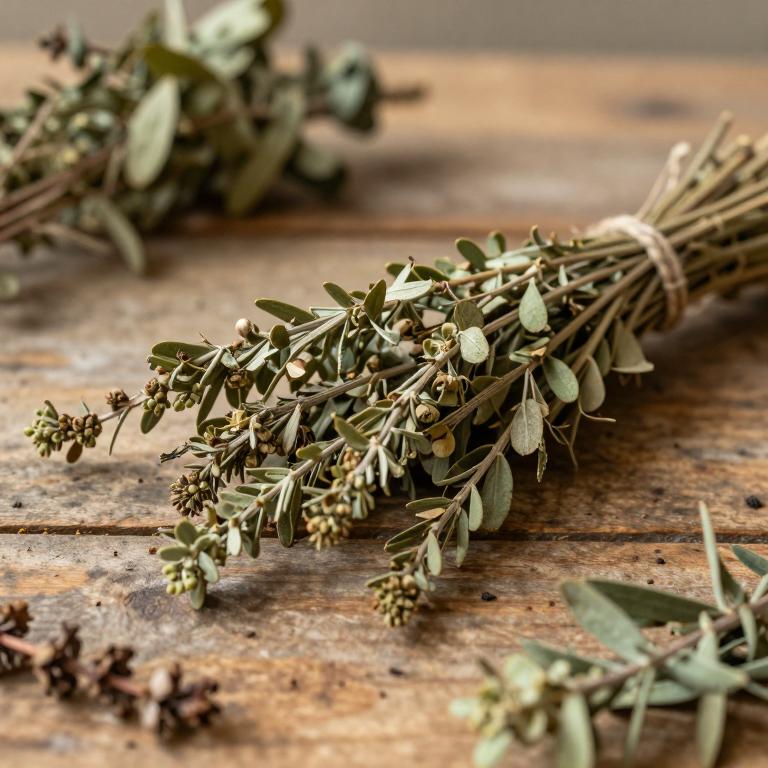
- Synonyms
- Dodonaea Angustifolia · Dodonaea Arizonica · 32 more
- Common names
- Not available
- Family
- Sapindaceae
- Distribution
- Asia-Tropical
- Plant Parts
- Leaf
Classification
Common Names
Dodonaea viscosa subsp. angustifolia is a versatile plant recognized by several distinct common names across different regions. It is frequently referred to as the Cape Sand Olive or the Hopbush, reflecting its varied botanical identities. Many gardeners and landscapers also know this species as the Hedge Karee or Hedge-Karee due to its suitability for screening. Additionally, it carries the local name Bosysterhout, showcasing the diversity of its nomenclature. Understanding these various names can help enthusiasts identify this resilient shrub in a wide range of ecological contexts.
Sources: Catalogue of Life (COL)
Synonyms
Dodonaea viscosa subsp. angustifolia is a botanical taxon that is recognized by several different scientific names within various taxonomic records. It is officially considered a synonym of Dodonaea angustifolia, a classification that reflects its shifting place in botanical literature. Furthermore, this subspecies has been historically associated with the names Dodonaea arizonica and Dodonaea brasiliensis. Its complex nomenclature also encompasses Dodonaea burmanniana and Dodonaea dombeyana as recognized synonyms. Understanding these various relationships is essential for researchers navigating the intricate history of this plant's identification.
Sources: The World Checklist of Vascular Plants (WCVP)
Taxonomy
Dodonaea viscosa subsp. angustifolia is a unique botanical specimen that belongs to the vast kingdom Plantae. Within this expansive realm, it is specifically classified under the class Equisetopsida. This plant is further organized into the order Sapindales, showcasing its distinct evolutionary lineage. It holds a position within the family Sapindaceae, which connects it to a diverse group of related species. Ultimately, this subspecies is defined by its membership in the genus Dodonaea.
| Rank | Classification |
|---|---|
| Kingdom | Plantae |
| Phylum | Streptophyta |
| Class | Equisetopsida |
| Subclass | Magnoliidae |
| Order | Sapindales |
| Family | Sapindaceae |
| Genus | Dodonaea |
Sources: The World Checklist of Vascular Plants (WCVP)
Distribution
Geographic Regions
Dodonaea viscosa subsp. angustifolia is a distinctive plant species primarily distributed across the diverse landscapes of East Tropical Africa. Its natural range extends through the lush regions of Kenya, Tanzania, and Uganda, showcasing its adaptability to varying environments. Additionally, the subspecies can be found spreading into Northeast Tropical Africa, specifically within the territories of Djibouti and Eritrea. This widespread presence highlights its ecological significance throughout these interconnected African regions. Understanding these specific geographical relationships provides valuable insight into the plant's evolutionary history and habitat preferences.
Sources: The World Checklist of Vascular Plants (WCVP)
Identification
Biological Activities
Compounds
Conditions
Dodonaea viscosa subsp. angustifolia exhibits significant antimicrobial properties, demonstrating effectiveness against the fungus Aspergillus flavus and the bacterium Enterococcus faecalis. Research further indicates that the plant serves as a potent inducer of CYP3A4 expression in HepG2 cells. Additionally, the plant shows strong antifungal activity against Candida albicans, even performing more effectively than certain commercial mouthrinses in studies involving HIV-positive patients. Finally, Dodonaea viscosa subsp. angustifolia is recognized among various medicinal plants used in traditional practices for its anti-HIV properties.
Preparations
Dodonaea viscosa subsp. angustifolia is prepared as leaves for various medicinal applications, including wound healing studies. Researchers have utilized methanol crude extracts and fractions of the plant to evaluate its insecticidal and healing properties. The plant is also prepared as PLE, which serves as a basis for further chemical testing. Specifically, an acetone extract of PLE is used to measure antifungal activity against Candida albicans. Additionally, ethanol extracts of this species have been evaluated for their potential to induce CYP3A4 enzyme expression in HepG2 cells.
Parts used
Dodonaea viscosa subsp. angustifolia utilizes its leaves for a variety of significant medicinal applications in Ethiopian traditional medicine. Research has demonstrated that methanolic extracts derived from these leaves possess potent wound-healing properties, significantly increasing wound contraction rates and tensile strength in mice. Additionally, the leaf extracts exhibit strong acaricidal efficacy, serving as a potential natural alternative to synthetic drugs for treating sarcoptic mange in camels. The plant's leaves also show promise in vector control, as they have been tested for their larvicidal and adulticidal activities against malaria-carrying mosquitoes. These diverse biological activities highlight the importance of the plant's foliage in developing affordable and effective natural treatments.