Dischistocalyx grandifolius
Dischistocalyx grandifolius · Accepted scientific name
Scientific literature: Very Sparse (1 studies) · ★☆☆☆☆
Dischistocalyx grandifolius is a notable botanical species frequently studied for its diverse pharmacological potential. Scientific investigations have focused primarily on the biological activities of its leaves and bark. Researchers often utilize methanol extracts to isolate the specific bioactive compounds responsible for its therapeutic effects. Among its most significant properties is a demonstrated antibacterial capacity against various pathogens. This makes the plant a subject of great interest in the development of natural antimicrobial agents.
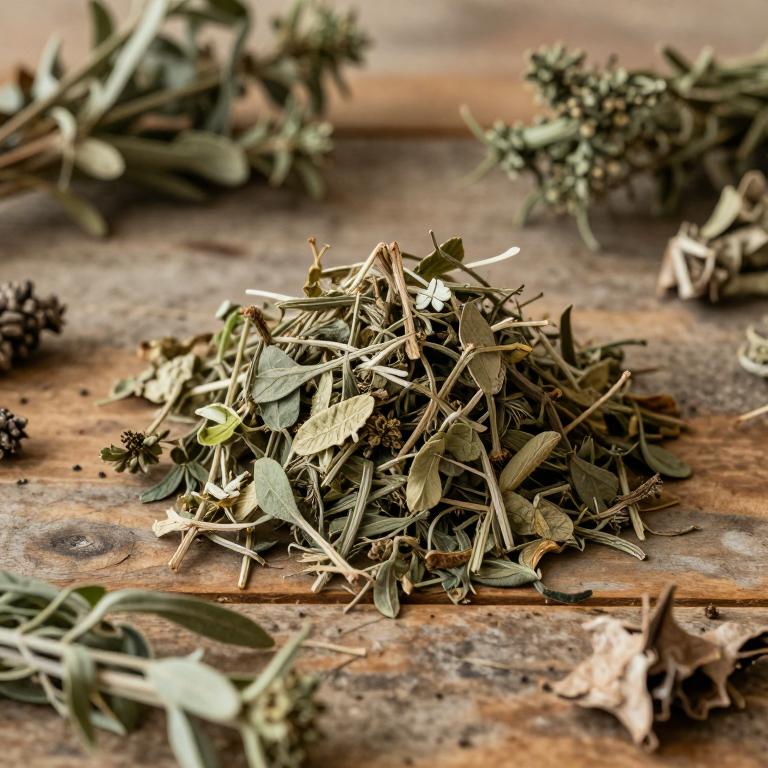
- Synonyms
- Dischistocalyx Buchholzii · Dischistocalyx Insignis · 1 more
- Common names
- Not available
- Family
- Acanthaceae
- Distribution
- Southern America
- Plant Parts
- Leaf
Classification
Synonyms
Dischistocalyx grandifolius is a plant species characterized by a complex web of botanical nomenclature. Within scientific literature, it is frequently associated with several recognized synonyms that reflect its taxonomic history. For instance, the name Acanthopale buchholzii is often used interchangeably with this species in various botanical records. It is also identified by the synonyms Dischistocalyx buchholzii and Dischistocalyx insignis, depending on the specific classification system applied. Understanding these overlapping names is essential for researchers seeking to accurately identify and study the plant.
Sources: The World Checklist of Vascular Plants (WCVP)
Taxonomy
Dischistocalyx grandifolius is a distinctive member of the kingdom Plantae that showcases the diverse complexity of the natural world. This plant is classified under the class Equisetopsida and belongs to the diverse order Lamiales. Within this taxonomic hierarchy, it is specifically nested inside the family Acanthaceae. It further finds its unique botanical identity through its placement in the genus Dischistocalyx. Together, these scientific relationships highlight the specific evolutionary lineage of this remarkable species.
| Rank | Classification |
|---|---|
| Kingdom | Plantae |
| Phylum | Streptophyta |
| Class | Equisetopsida |
| Subclass | Magnoliidae |
| Order | Lamiales |
| Family | Acanthaceae |
| Genus | Dischistocalyx |
Sources: The World Checklist of Vascular Plants (WCVP)
Distribution
Geographic Regions
Dischistocalyx grandifolius is a notable botanical species primarily located within the diverse ecosystems of Africa. Its natural range is concentrated throughout the West-Central Tropical Africa region. Specifically, this plant can be found thriving in the lush landscapes of Cameroon. It also maintains a presence within the borders of Congo, contributing to the local biodiversity. Furthermore, its distribution extends into Gabon, marking it as a significant element of the regional flora.
Sources: The World Checklist of Vascular Plants (WCVP)
Identification
Morphology
Dischistocalyx grandifolius is characterized by its distinctive growth form as an herb.
Sources: Global Inventory of Floras and Traits (GIFT)
Biological Activities
Dischistocalyx grandifolius has demonstrated notable antibacterial activity according to recent scientific investigations. Researchers evaluated the methanol extracts of several medicinal plants to determine their effectiveness against a variety of multidrug-resistant Gram-negative bacteria. This specific plant was tested alongside others, such as Fagara macrophylla and Canarium schweinfurthii, to assess their inhibitory potential. By utilizing liquid broth microdilution, the study aimed to establish precise minimal inhibitory and bactericidal concentrations. Ultimately, these findings contribute essential baseline data for exploring the therapeutic use of such botanical extracts in treating serious bacterial infections.
Compounds
Conditions
Dischistocalyx grandifolius demonstrates significant cytotoxic properties when tested against various cancer cell lines. In preliminary experiments, the leaves and bark extracts of this plant were applied to leukemia CCRF-CEM cells at a concentration of 40 μg/mL. These specific extracts succeeded in inducing more than 50% growth inhibition in this particular leukemia cell line. This ability to suppress cell growth highlights the plant's potential as a medicinal agent against malignancy. Consequently, the study identifies Dischistocalyx grandifolius as one of the Cameroonian medicinal plants with notable antiproliferative activity.
Preparations
Dischistocalyx grandifolius is prepared as leaves and bark extracts for use in various biological assessments. These specific preparations were evaluated for their cytotoxicity against several drug-resistant cancer cell lines. Additionally, the plant is prepared as methanol extracts to study its medicinal properties. These methanol extracts were specifically tested for their antibacterial activities against a panel of multidrug-resistant Gram-negative bacterial strains. Through these different preparation methods, the plant's potential therapeutic roles are investigated.
Parts used
Dischistocalyx grandifolius is a medicinal plant of interest due to its potential therapeutic properties in treating various diseases. Within this species, the leaf serves as a significant botanical component utilized for further scientific investigation. Recent studies have focused on the cytotoxic potential of such plant parts to combat multidrug-resistant cancer cell lines. Specifically, extracts derived from the leaves of Dischistocalyx grandifolius have demonstrated the ability to induce growth inhibition in leukemia cells. These findings highlight the importance of exploring specific plant parts for the development of new chemotherapeutic agents.