Dirca palustris
Dirca palustris · Accepted scientific name
Scientific literature: Very Sparse (0 studies) · ★☆☆☆☆
Dirca palustris, commonly known as winterberry, is a deciduous shrub native to the wetlands and forest understories of North America. This resilient plant is often recognized by its striking red berries that persist throughout the colder months. In botanical research, the dried twigs of this species serve as a significant source of bioactive compounds. Scientists frequently utilize a methanol extract to isolate these specific chemical constituents for further study. Understanding the properties of such preparations can provide valuable insights into the plant's potential medicinal applications.
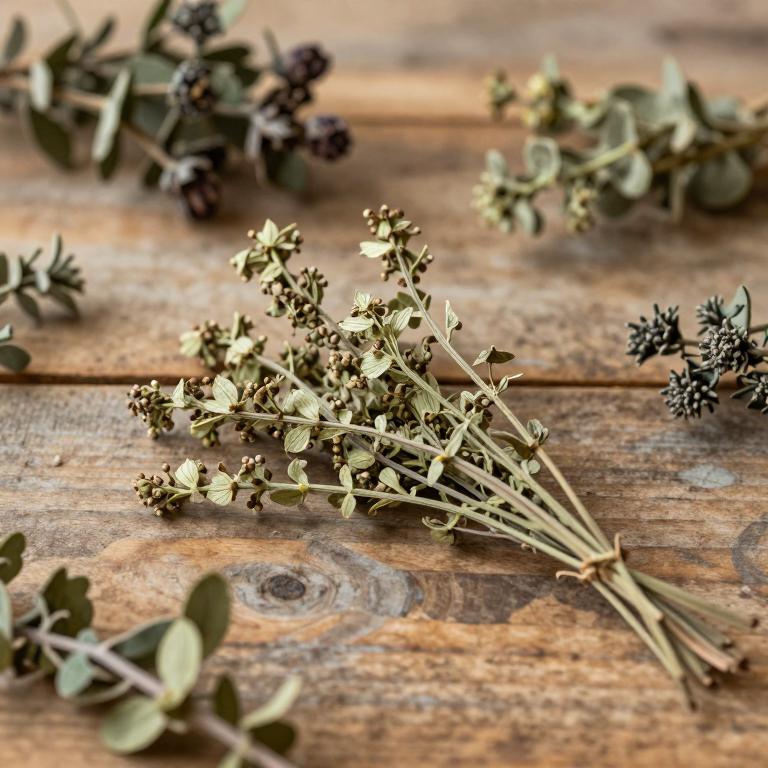
- Synonyms
- Not available
- Common names
- Not available
- Family
- Thymelaeaceae
- Distribution
- Not available
- Plant Parts
- Not available
Classification
Common Names
Dirca palustris is a versatile shrub known by a diverse array of names across different languages and regions. In English-speaking areas, it is most frequently referred to as the Eastern leatherwood, though it is also commonly called Jiibegob. Its linguistic reach extends into Spanish, where it is recognized as Madera de cuero oriental. French speakers identify the plant as bois de plomb or dirca des marais. These various monikers highlight the plant's widespread recognition throughout its natural habitat.
Sources: Catalogue of Life (COL)
Taxonomy
Dirca palustris is a unique botanical specimen belonging to the vast kingdom Plantae. Within this diverse group, the plant is classified under the class Equisetopsida and the order Malvales. It specifically belongs to the genus Dirca, which distinguishes it from many other neighboring species. Furthermore, its taxonomic journey leads it directly into the family Thymelaeaceae. Understanding these hierarchical relationships provides essential insight into the evolutionary identity of this plant.
| Rank | Classification |
|---|---|
| Kingdom | Plantae |
| Phylum | Streptophyta |
| Class | Equisetopsida |
| Subclass | Magnoliidae |
| Order | Malvales |
| Family | Thymelaeaceae |
| Genus | Dirca |
Sources: The World Checklist of Vascular Plants (WCVP)
Distribution
Geographic Regions
Dirca palustris is a resilient species with a broad distribution spanning across much of Northern America. In the northeastern regions, it is commonly found throughout Eastern Canada, specifically within the provinces of New Brunswick, Nova Scotia, Ontario, and Québec. Moving southward, the plant's range extends into the North-Central United States. A notable presence for this species can be found within the state of Illinois. This wide geographic reach highlights the plant's ability to adapt to diverse temperate environments.
Sources: The World Checklist of Vascular Plants (WCVP)
Identification
Morphology
Dirca palustris typically takes the form of a sturdy shrub. This plant is characterized by its self-supporting growth habit, allowing it to stand firmly within its natural habitat.
Sources: Global Inventory of Floras and Traits (GIFT)
Biological Activities
Compounds
Conditions
Preparations
Dirca palustris is prepared as dried twigs to facilitate chemical analysis. From these specific plant parts, a MeOH extract is subsequently produced. This methanol extract serves as the source for isolating five novel phenolic glycosides. The preparation of the plant as dried twigs and a MeOH extract is essential for identifying these specific compounds. Consequently, the processing of Dirca palustris into these forms allows for the study of its enzymatic and antioxidant properties.