Dipterocarpus obtusifolius
Dipterocarpus obtusifolius · Accepted scientific name
Scientific literature: Very Sparse (12 studies) · ★☆☆☆☆
, scientifically known as Dipterocarpus obtusifolius, is a distinctive medicinal plant valued for its diverse therapeutic properties. Found primarily in tropical regions, this species is traditionally utilized in folk medicine to treat various ailments. Understanding its botanical characteristics and bioactive compounds is essential for exploring its potential pharmacological applications.
- Family
- Dipterocarpaceae
- Native range
- Asia-Tropical
- Parts used
- Not available
- Common names
- Not available
- Scientific synonyms
- Dipterocarpus Obtusifolius Var. Cuspidatus · Dipterocarpus Vestitus · 4 more
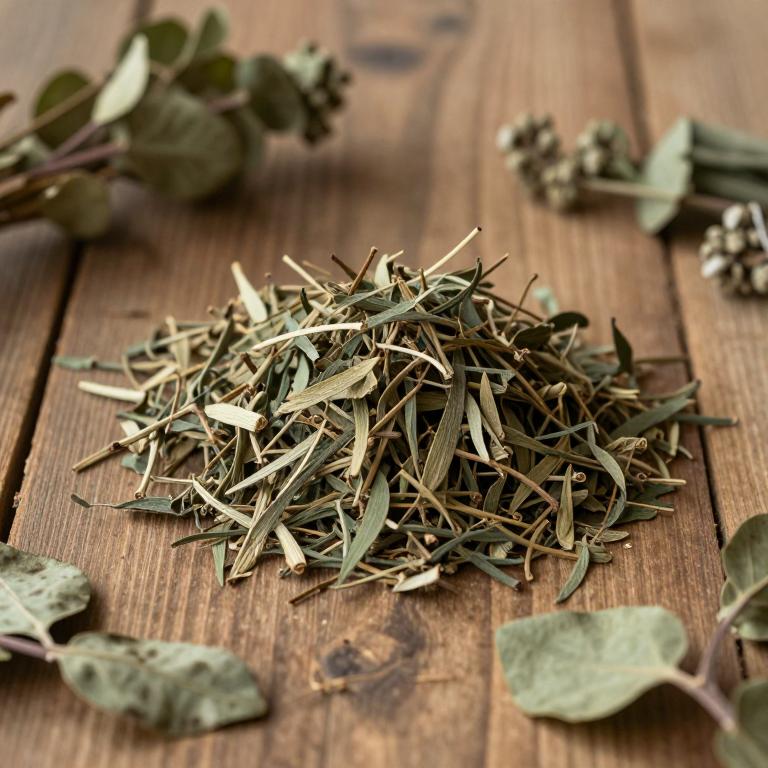
Names and Synonyms
Scientific Names
Accepted name
Dipterocarpus obtusifoliusSynonyms
- Dipterocarpus obtusifolius var. cuspidatus
- Dipterocarpus vestitus
- Dipterocarpus punctulatus
- Dipterocarpus obtusifolius var. glabricalyx
- Dipterocarpus obtusifolius var. subnudus
- Dipterocarpus obtusifolius var. vestitus
Sources: Wikidata, Catalogue of Life
Taxonomical Classification
This plant belongs to the kingdom Plantae and the phylum Streptophyta, falling under the class Equisetopsida and subclass Magnoliidae. Within the order Malvales, it is classified under the family Dipterocarpaceae and the genus Dipterocarpus. Its specific identification is determined by the species name Dipterocarpus obtusifolius.
| Rank | Classification |
|---|---|
| Kingdom | Plantae |
| Phylum | Streptophyta |
| Class | Equisetopsida |
| Subclass | Magnoliidae |
| Order | Malvales |
| Family | Dipterocarpaceae |
| Genus | Dipterocarpus |
Sources: The World Checklist of Vascular Plants (WCVP)
Distribution
This plant exhibits a specific geographical distribution concentrated within the Indo-China region. It can be found growing naturally across several Southeast Asian nations, including Cambodia and Laos. Furthermore, its presence extends into the territories of Myanmar and Thailand. The species also inhabits the diverse landscapes of Vietnam. Together, these locations define the primary natural range for Dipterocarpus obtusifolius.
| Region | Area |
|---|---|
| Indo-China | Cambodia |
| Indo-China | Laos |
| Indo-China | Myanmar |
| Indo-China | Thailand |
| Indo-China | Vietnam |
| Malesia | Malaya |
Sources: The World Checklist of Vascular Plants (WCVP)
Botanical Identification
Life history
The life history of Dipterocarpous obtusifolius is characterized by its status as a perennial organism, allowing it to persist in its environment through multiple growing seasons rather than completing its cycle in a single year. Its developmental strategy involves a long-term presence within its ecological niche, supported by a deciduous growth habit. This deciduousness dictates a seasonal rhythm where the plant sheds its foliage periodically, typically in response to environmental stressors or seasonal changes, before entering a phase of dormancy and subsequently regenerating its canopy.
- Deciduousness :
- deciduous
- Lifecycle :
- perennial
Morphology
The morphology of Dipterocarpus obtusifolius is characterized by a robust growth form, primarily developing as a tree. This species exhibits a woody structure and can reach a significant plant height, with a mean height of approximately 25 m. Although certain classifications may describe its climbing tendencies, it is specifically identified as a self-supporting entity rather than an obligatory or facultative climber, maintaining a sturdy, upright arboreal habit.
- Climber :
- self-supporting
- Growth form :
- tree
- Plant height mean:
- 25 m
- Woodiness :
- woody
Physiology
The physiology of Dipterocarpus obtusifolius is characterized by a C3 photosynthetic pathway, meaning it utilizes the Calvin cycle for carbon fixation through the direct carboxylation of ribulose-1,5-bisphosphate by the enzyme Rubisco. This metabolic process is typical of many woody species in its environment, allowing for efficient gas exchange and sugar production under standard light and temperature conditions. Furthermore, regarding its nutrient acquisition processes, the plant is not a nitrogen fixer, as it lacks the specialized symbiotic relationship with nitrogen-fixing bacteria required to convert atmospheric nitrogen into bioavailable forms.
- Nitrogen fixer :
- no
- Photosynthetic pathway :
- C3
Reproduction
The reproduction of Dipterocarpus obtusifolius is characterized by specific seed morphological traits and a distinct dispersal strategy. The plant produces seeds with a notable mass, exhibiting a mean weight of 9.646 g. The variation in seed size is relatively contained, with individual seed masses ranging from a minimum of 7.692 g to a maximum of 11.6 g. Regarding its reproductive ecology, the species utilizes a hydrochorous dispersal syndrome, indicating that its seeds are primarily dispersed by water, though it may also be influenced by anlecromochorous, zoochorous, autochorous, or unspecialized mechanisms within its habitat.
- Dispersal syndrome :
- hydrochorous
- Seed mass max:
- 11.6 g
- Seed mass mean:
- 9.646 g
- Seed mass min:
- 7.692 g
Sources: Global Inventory of Floras and Traits (GIFT)
Chemicals
Dipterocarpus obtusifolius has 9 reported phytochemicals identified across 0 scientific publications and several other databases. The most consistently reported chemicals include 6,7-DIMETHOXYCOUMARIN, Caryophyllene, Copaene, Elaidic acid, Flavonoid.
| Chemical | Supporting sources | Consensus |
|---|---|---|
| 6,7-DIMETHOXYCOUMARIN | 1 supporting sources | ★☆☆☆☆ |
| Caryophyllene | 1 supporting sources | ★☆☆☆☆ |
| Copaene | 1 supporting sources | ★☆☆☆☆ |
| Elaidic acid | 1 supporting sources | ★☆☆☆☆ |
| Flavonoid | 1 supporting sources | ★☆☆☆☆ |
| Gurjunene | 1 supporting sources | ★☆☆☆☆ |
| LIGNIN | 1 supporting sources | ★☆☆☆☆ |
| decylaldehyde | 1 supporting sources | ★☆☆☆☆ |
| leucine | 1 supporting sources | ★☆☆☆☆ |
6,7-DIMETHOXYCOUMARIN
- BMC complementary medicine and therapies
Caryophyllene
- BMC complementary medicine and therapies
Copaene
- BMC complementary medicine and therapies
Elaidic acid
- BMC complementary medicine and therapies
Flavonoid
- BMC complementary medicine and therapies
Gurjunene
- BMC complementary medicine and therapies
LIGNIN
- BMC complementary medicine and therapies
decylaldehyde
- BMC complementary medicine and therapies
leucine
- BMC complementary medicine and therapies
Conditions
Dipterocarpus obtusifolius has 3 reported investigations on conditions identified across 0 scientific publications and several other databases. The most consistently reported conditions include cholangiocarcinoma, gastric cancer, gastrointestinal cancer.
| Condition | Supporting sources | Consensus |
|---|---|---|
| Cholangiocarcinoma | 1 supporting sources | ★☆☆☆☆ |
| Gastric cancer | 1 supporting sources | ★☆☆☆☆ |
| Gastrointestinal cancer | 1 supporting sources | ★☆☆☆☆ |
Cholangiocarcinoma
- BMC complementary medicine and therapies
Gastric cancer
- BMC complementary medicine and therapies
Gastrointestinal cancer
- BMC complementary medicine and therapies