Dipterocarpus alatus
Dipterocarpus alatus · Accepted scientific name
Scientific literature: Very Sparse (2 studies) · ★☆☆☆☆
Dipterocarpus alatus is a significant botanical species known for its diverse range of therapeutic potential. Various parts of the plant, including the bark, twigs, and oleo-resin, are utilized in traditional and scientific studies. Recent research has particularly focused on the extracts of the leaves to uncover their medicinal properties. These studies have demonstrated that the plant exhibits notable antioxidant activities. Furthermore, investigations into its biological effects have revealed promising cytotoxic capabilities.
- Synonyms
- Oleoxylon Balsamifera · Dipterocarpus Incanus · 4 more
- Common names
- Not available
- Family
- Dipterocarpaceae
- Distribution
- Not available
- Plant Parts
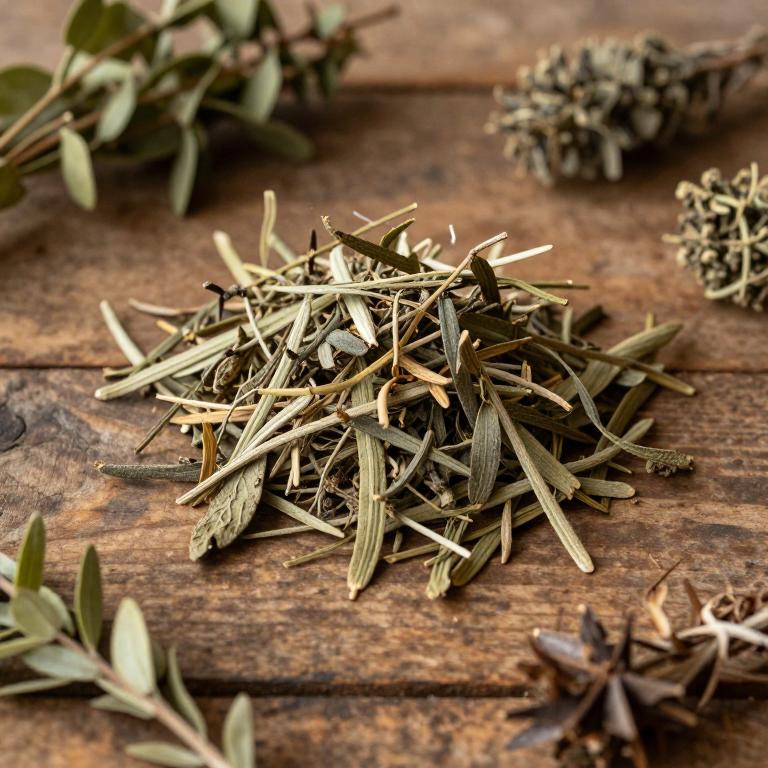
- Leaf
Classification
Common Names
Dipterocarpus alatus is a remarkable tree species known by a diverse array of regional names. In certain areas, it is affectionately referred to as Chheuteal Teuk, while others call it Dau Nuoc. It is also commonly recognized by the name Day Rai in various local contexts. Furthermore, the tree is identified as Yaang Naa depending on the specific linguistic tradition. Finally, many people simply know this impressive plant as Yang Khao.
Sources: Catalogue of Life (COL)
Synonyms
Dipterocarpus alatus is a species that has been subject to various botanical classifications throughout history. Because of these shifting taxonomic interpretations, it is frequently associated with several recognized synonyms. For instance, it has been identified in scientific literature as Dipterocarpus gonopterus and Dipterocarpus incanus. The plant's complex nomenclature also includes links to Dipterocarpus philippinensis and Hopea conduplicata. Furthermore, some records even list it under the name Oleoxylon balsamifera, reflecting the intricate nature of its botanical relationships.
Sources: The World Checklist of Vascular Plants (WCVP)
Taxonomy
Dipterocarpus alatus is a remarkable member of the kingdom Plantae that plays a vital role in its ecosystem. Belonging to the class Equisetopsida, this species exhibits the complex structural characteristics typical of its group. It is classified under the order Malvales, showcasing its evolutionary connection to a diverse array of flowering plants. Within the family Dipterocarpaceae, it stands out as a significant representative of its woody lineage. Finally, its identity is firmly rooted in the genus Dipterocarpus, distinguishing it from other related botanical species.
| Rank | Classification |
|---|---|
| Kingdom | Plantae |
| Phylum | Streptophyta |
| Class | Equisetopsida |
| Subclass | Magnoliidae |
| Order | Malvales |
| Family | Dipterocarpaceae |
| Genus | Dipterocarpus |
Sources: The World Checklist of Vascular Plants (WCVP)
Distribution
Geographic Regions
Dipterocarpus alatus is a significant tropical species widely distributed across various regions of Asia. Its presence is firmly established within the Indian Subcontinent, specifically spanning across India and Bangladesh. The plant also extends its reach into the Indo-China region, making it a vital component of local ecosystems. Within this area, it can be found throughout the landscapes of Cambodia and Laos. Additionally, its unique habitat range includes the specialized environments of the Andaman Islands.
Sources: The World Checklist of Vascular Plants (WCVP)
Identification
Morphology
Dipterocarpus alatus is a majestic tree characterized by its sturdy, self-supporting growth form. This species typically reaches a maximum height of 30 meters, allowing it to command attention within its ecosystem. As a robust forest giant, its structural stability and impressive stature make it a vital component of the canopy.
Sources: Global Inventory of Floras and Traits (GIFT)
Biological Activities
Dipterocarpus alatus is a medicinal plant traditionally used to treat genito-urinary diseases, but recent studies have uncovered much more regarding its biochemical potential. Research indicates that various extracts from this species, including the leaves, bark, and twigs, exhibit significant antioxidant activity. These antioxidant properties are closely correlated with the high total phenolic content found within those specific plant parts. Furthermore, the plant demonstrates notable cytotoxic activity, particularly when tested against the U937 cancer cell line. Interestingly, the cytotoxic effects of the oleo-resin appear to be driven by its high sesquiterpene content, marking a significant finding for the species.
Compounds
Dipterocarpus alatus is a medicinal plant recognized for its diverse chemical profile, particularly within its oleo-resin. Chemical composition analysis via GC-MS reveals that this resin is primarily composed of various sesquiterpenes. Among these key constituents, the plant contains significant amounts of isoledene and alloaromadendrene. Additionally, the presence of spathulenol contributes to the complex chemical makeup of the species. These specific compounds are instrumental in driving the cytotoxic activities observed in the plant's oleo-resin.
Conditions
Dipterocarpus alatus exhibits significant pharmacological potential through its ability to treat various medical conditions. Specifically, the oleoresin of this plant has been shown to effectively treat colon cancer cells, specifically the HCT116 line, by suppressing cell viability and inducing apoptosis. Research also demonstrates that the plant treats liver cancer cells, specifically the HepG2 line, through similar antiproliferative mechanisms. Beyond its anticancer properties, Dipterocarpus alatus is well-known in traditional medicine for its use in treating genito-urinary diseases. These diverse therapeutic applications highlight the plant's multifaceted medicinal value in addressing both oncological and urological health issues.
Preparations
Dipterocarpus alatus is utilized in various forms for medicinal and scientific research, including being prepared as bark. The plant is also prepared as extracts of the leaves to investigate its antioxidant and cytotoxic properties. Additionally, Dipterocarpus alatus is prepared as oleo-resin, which contains significant sesquiterpene content. Research also demonstrates that the plant is prepared as twigs to evaluate its chemical composition and biological activities. These different preparations allow for a comprehensive analysis of the plant's phenolic and terpenoid profiles.
Parts used
Dipterocarpus alatus is a recognized medicinal plant traditionally utilized for the treatment of various genito-urinary diseases. Recent scientific investigations have focused on the chemical composition and biological activities of its various components, including the leaves, bark, twigs, and oleo-resin. Specifically, the leaf extracts of this species have been found to exhibit significant antioxidant properties. These antioxidant and cytotoxic activities in the leaves are closely correlated with their total phenolic content. By analyzing these specific plant parts, researchers aim to better understand the therapeutic potential of D. alatus against different cancer cell lines.