Diospyros celebica
Diospyros celebica · Accepted scientific name
Scientific literature: Very Sparse (26 studies) · ★☆☆☆☆
, scientifically known as Diospyros celebica, is a precious timber species endemic to Sulawesi, Indonesia. Highly valued for its dense, dark wood, this medicinal plant is traditionally utilized in various herbal remedies. Beyond its commercial significance, it holds deep ecological importance within its native tropical rainforest ecosystems and local cultures.
- Family
- Not available
- Native range
- Asia-Tropical
- Parts used
- Not available
- Common names
- Not available
- Scientific synonyms
- Not available
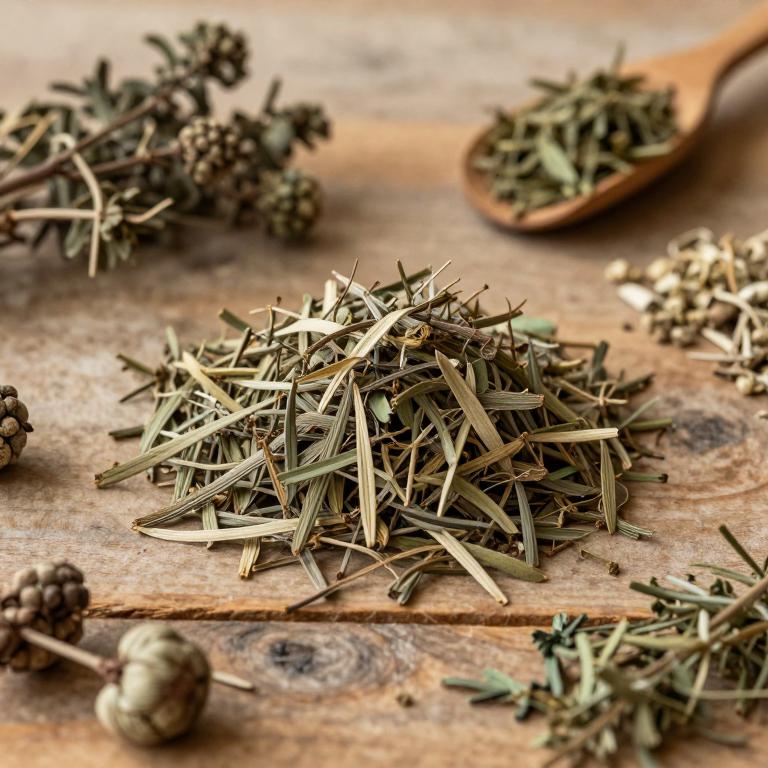
Names and Synonyms
Scientific Names
Accepted name
Diospyros celebicaDistribution
This plant is specifically native to the Malesia region. Within this vast tropical area, its occurrence is highly localized to the island of Sulawesi. This restricted range suggests that the species is an endemic inhabitant of the Indonesian archipelago. Consequently, its natural habitat is tied closely to the unique environmental conditions found on this particular island. Understanding this specific distribution is essential for the conservation of the species.
| Region | Area |
|---|---|
| Malesia | Sulawesi |
Sources: The World Checklist of Vascular Plants (WCVP)
Botanical Identification
Life history
The life history of Diospyros celebica is characterized by its status as a perennial organism, allowing it to persist in its natural habitat over many years. As a phanerophyte, its regenerative buds are located high above the ground on woody branches, a structural adaptation that defines its life form. This phanerophyte growth strategy enables the plant to establish a significant vertical presence, contributing to its long-term survival and development within its ecosystem.
- Life form :
- phanerophyte
- Lifecycle :
- perennial
Morphology
The morphology of Diospyros celebica is characterized by its substantial stature and robust structural development, typically manifesting as a large tree. It exhibits a woody constitution and reaches an average plant height of approximately 30 m. As a self-supporting organism, it does not function as a climber and maintains an independent life cycle, neither acting as a parasite nor as an epiphyte, as it follows a terrestrial growth habit.
- Climber :
- self-supporting
- Epiphyte :
- terrestrial
- Growth form :
- tree
- Parasite :
- independent
- Plant height mean:
- 30 m
- Woodiness :
- woody
Physiology
The physiology of Diospyros celebica is characterized by a standard C3 photosynthetic pathway, utilizing the Calvin cycle to fix atmospheric carbon dioxide into organic compounds, a trait typical of most woody dicotyledonous species within the Ebenaceae family. In terms of nutrient cycling and metabolic processes, the plant does not function as a nitrogen fixer, meaning it lacks the symbiotic relationship with diazotrophic bacteria required to convert atmospheric nitrogen into bioavailable forms and instead relies on the uptake of nitrates and ammonium from the soil.
- Nitrogen fixer :
- no
- Photosynthetic pathway :
- C3
Sources: Global Inventory of Floras and Traits (GIFT)
Chemicals
Diospyros celebica has 2 reported phytochemicals identified across 0 scientific publications and several other databases. The most consistently reported chemicals include Betulin, betulinic acid.
| Chemical | Supporting sources | Consensus |
|---|---|---|
| Betulin | 1 supporting sources | ★☆☆☆☆ |
| betulinic acid | 1 supporting sources | ★☆☆☆☆ |
Betulin
- Dr. Duke
betulinic acid
- Dr. Duke
Activities
Diospyros celebica has 23 reported activities identified across 0 scientific publications and several other databases. The most consistently reported activities include Anthelmintic, AntiHIV, Antibacterial, Anticancer, Anticarcinomic.
| Activity | Supporting sources | Consensus |
|---|---|---|
| Anthelmintic | 1 supporting sources | ★☆☆☆☆ |
| AntiHIV | 1 supporting sources | ★☆☆☆☆ |
| Antibacterial | 1 supporting sources | ★☆☆☆☆ |
| Anticancer | 1 supporting sources | ★☆☆☆☆ |
| Anticarcinomic | 1 supporting sources | ★☆☆☆☆ |
| Antiedemic | 1 supporting sources | ★☆☆☆☆ |
| Antifeedant | 1 supporting sources | ★☆☆☆☆ |
| Antiflu | 1 supporting sources | ★☆☆☆☆ |
| Antiinflammatory | 1 supporting sources | ★☆☆☆☆ |
| Antileukemic | 1 supporting sources | ★☆☆☆☆ |
Anthelmintic
- Dr. Duke
AntiHIV
- Dr. Duke
Antibacterial
- Dr. Duke
Anticancer
- Dr. Duke
Anticarcinomic
- Dr. Duke
Antiedemic
- Dr. Duke
Antifeedant
- Dr. Duke
Antiflu
- Dr. Duke
Antiinflammatory
- Dr. Duke
Antileukemic
- Dr. Duke