Dinochloa sublaevigata
Dinochloa sublaevigata · Accepted scientific name
Scientific literature: Very Sparse (1 studies) · ★☆☆☆☆
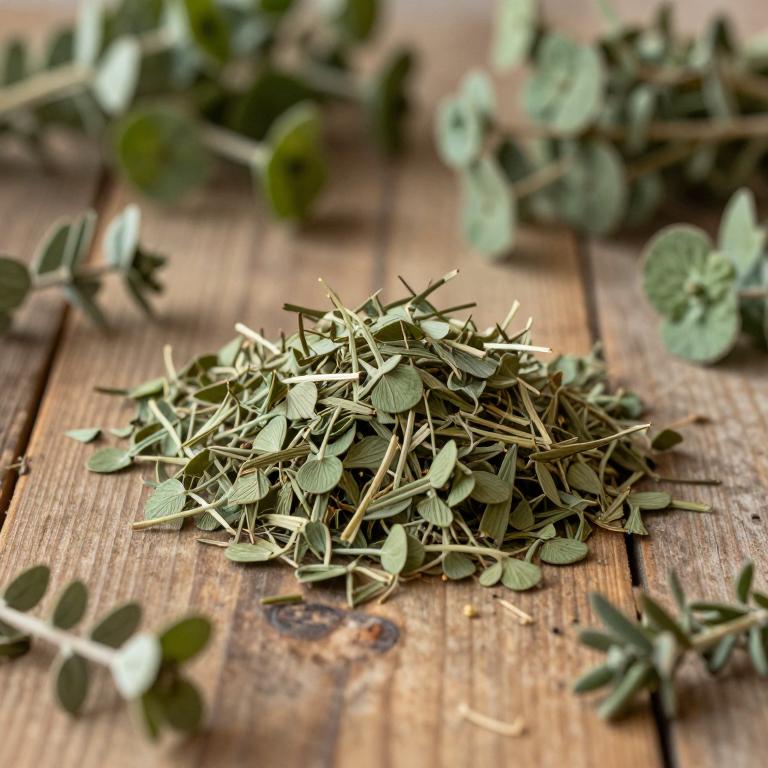
Dinochloa sublaevigata is a botanical species that has garnered significant scientific interest due to its unique biological properties. Research focusing on the plant's leaves has revealed a high potential for antioxidant activities. To evaluate these benefits, the leaves are processed using various techniques including freeze-drying, microwave-drying, oven-drying, and shade-drying. Each preparation method offers a different approach to preserving the plant's essential chemical constituents. Understanding these drying processes is crucial for optimizing the extraction of its beneficial compounds.
- Synonyms
- Not available
- Common names
- Not available
- Family
- Poaceae
- Distribution
- Not available
- Plant Parts
- Leaf
Classification
Taxonomy
Dinochloa sublaevigata is a fascinating botanical specimen that belongs to the vast kingdom Plantae. Within this kingdom, it is classified under the class Equisetopsida, marking its place among the flowering plants. The species is a member of the order Poales, which connects it to a diverse range of specialized vegetation. It further finds its home within the Poaceae family, commonly known as the grass family. Ultimately, this plant is defined by its unique identity within the genus Dinochloa.
| Rank | Classification |
|---|---|
| Kingdom | Plantae |
| Phylum | Streptophyta |
| Class | Equisetopsida |
| Subclass | Magnoliidae |
| Order | Poales |
| Family | Poaceae |
| Genus | Dinochloa |
Sources: The World Checklist of Vascular Plants (WCVP)
Distribution
Geographic Regions
Dinochloa sublaevigata is a distinctive plant species primarily found within the lush, tropical environments of Asia. Its geographic distribution is concentrated in the Malesia region, where it thrives amidst high humidity and dense vegetation. Within this vast area, the species is particularly noted for its presence on the island of Borneo. This specific habitat allows the plant to integrate into the complex ecosystems characteristic of Southeast Asian rainforests. Understanding its localized presence helps researchers map the broader biodiversity patterns across the Malesian archipelago.
Sources: The World Checklist of Vascular Plants (WCVP)
Identification
Morphology
Dinochloa sublaevigata is characterized by its distinctive growth form as an herb. This plant is entirely self-supporting, allowing it to maintain its structure within its natural habitat.
Sources: Global Inventory of Floras and Traits (GIFT)
Biological Activities
Dinochloa sublaevigata has been identified as a plant species possessing significant antioxidant activity. Recent research into various bamboo species has highlighted how different drying techniques can influence the retention of these vital biological properties. Specifically, studies utilizing assays such as DPPH, ABTS, and FRAP have confirmed the radical scavenging potential of these leaf extracts. The presence of phytochemicals like total phenolics and flavonoids plays a crucial role in driving these antioxidant capacities. Ultimately, these findings suggest that Dinochloa sublaevigata could serve as a valuable source for functional foods or medicinal drug discovery.
Compounds
Conditions
Preparations
Dinochloa sublaevigata was subjected to several different processing methods to evaluate their effects on phytochemical retention. The leaves of this bamboo species were prepared as freeze-dried, microwave-dried, and oven-dried samples. Additionally, the research investigated the impact of using shade-dried and sun-dried techniques on the plant. These five specific drying methods allowed for a comprehensive comparison of the nutrient degradation across the various treatments. Through these diverse preparation styles, the study assessed how different thermal and non-thermal conditions affect the biological activities of Dinochloa sublaevigata.
Parts used
Dinochloa sublaevigata serves as one of the key species studied to understand how different drying techniques impact the nutritional value of bamboo leaves. Researchers specifically examined the leaves of this plant to determine how processing methods like freeze-drying or microwaving affect their chemical properties. By focusing on the leaf component, the study was able to measure vital levels of total phenolic and flavonoid contents. These findings are essential for determining how the leaves can be utilized for their antioxidant properties and therapeutic potential. Ultimately, understanding the composition of Dinochloa sublaevigata leaves could pave the way for developing new functional foods and medicinal ingredients.