Dieffenbachia
Dieffenbachia · Accepted scientific name
Scientific literature: Very Sparse (0 studies) · ★☆☆☆☆
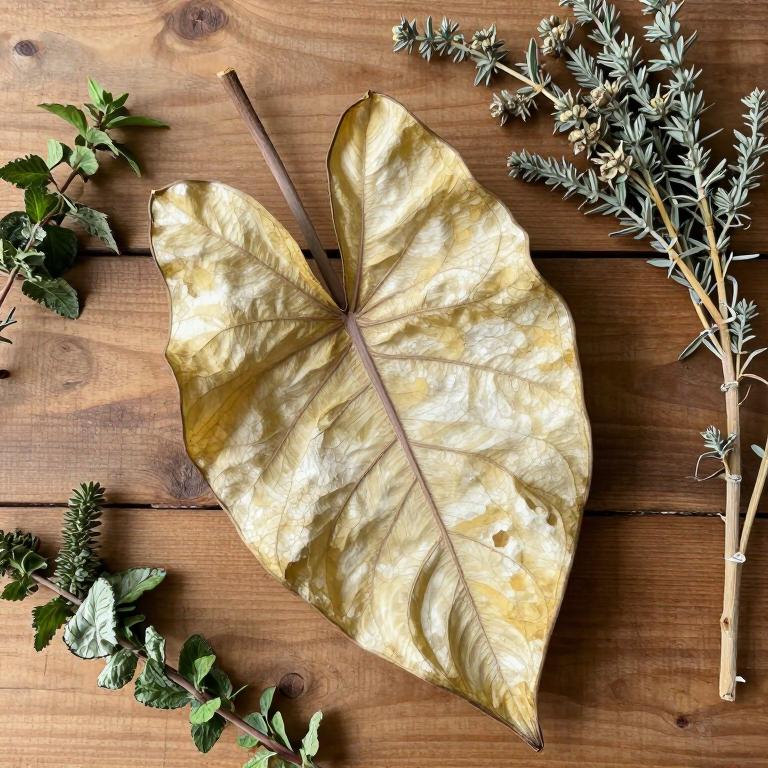
Dieffenbachia is a popular tropical houseplant known for its striking, variegated foliage. The plant features large, lush leaves that grow from thick, upright stems. Many enthusiasts enjoy collecting various cultivars to add texture and color to their indoor gardens. However, it is important to handle the plant material with caution due to its toxic properties. Always use protection when pruning the stems or leaves to avoid irritation.
- Synonyms
- Maguirea · Seguinum
- Common names
- Not available
- Family
- Araceae
- Distribution
- Not available
- Plant Parts
- Leaf · Stem
Classification
Common Names
Dieffenbachia is a fascinating plant that is known by many different names across various regions. It is frequently referred to as Daun Bahagia, adding a touch of local charm to its identity. You may also encounter it spelled as Dieffenbachien or even as the phonetic variation Difenbachija. Other common misspellings and nicknames include Difenbahya and the unique Difenbaĥio. Regardless of which name you use, this popular houseplant remains a beloved staple for indoor gardeners everywhere.
Sources: Catalogue of Life (COL)
Synonyms
Dieffenbachia is a widely recognized genus of tropical plants that often carries various botanical names. In taxonomic literature, you may encounter the name Maguirea used as a synonym for this popular group. Additionally, the term Seguinum serves as another valid synonym within its classification history. Understanding these linguistic variations is essential for gardeners and researchers looking to identify specific cultivars correctly. Recognizing these overlapping names ensures that enthusiasts can navigate plant databases with absolute confidence.
Sources: The World Checklist of Vascular Plants (WCVP)
Taxonomy
Dieffenbachia is a fascinating member of the kingdom Plantae that brings vibrant life to many indoor collections. This plant belongs to the diverse order Alismatales and is classified within the class Equisetopsida. As a representative of the Araceae family, it showcases the unique morphological traits typical of its relatives. It is further distinguished by its specific placement within the genus Dieffenbachia. Understanding this botanical hierarchy provides a clearer picture of its place in the natural world.
| Rank | Classification |
|---|---|
| Kingdom | Plantae |
| Phylum | Streptophyta |
| Class | Equisetopsida |
| Subclass | Magnoliidae |
| Order | Alismatales |
| Family | Araceae |
| Genus | Dieffenbachia |
Sources: The World Checklist of Vascular Plants (WCVP)
Distribution
Geographic Regions
Dieffenbachia boasts a diverse natural distribution that spans several major tropical regions across the globe. In Africa, the genus is found throughout West-Central Tropical Africa and the Gulf of Guinea Islands. Its presence extends further east to the Western Indian Ocean, including the Comoros and the Seychelles. Moving into Asia, these plants thrive within the tropical climates of the Indian Subcontinent, specifically in Bangladesh. Finally, the reach of Dieffenbachia continues through the Malesia region, including the lush landscapes of Borneo.
Sources: The World Checklist of Vascular Plants (WCVP)
Identification
Biological Activities
Compounds
Conditions
Dieffenbachia was identified as one of the highly toxic plants tested in a study involving canaries. The administration of this plant material was directly associated with the acute death of the birds. Researchers evaluated several species to determine their specific lethal effects on avian subjects. Among the five plants found to be most dangerous, Dieffenbachia stood out for its high toxicity levels. This specific relationship highlights the plant's potential to cause rapid mortality in pet birds.
Preparations
Dieffenbachia is prepared as plant material to evaluate its potential toxic effects on pet birds. In the study, researchers processed the plant by flash-freezing it in liquid nitrogen. This material was then pulverized to facilitate administration via gavage. Once processed, the substance was resuspended in deionized water for testing. This specific preparation method allowed scientists to determine that dieffenbachia is highly toxic and associated with acute death in canaries.
Parts used
Dieffenbachia is a common domestic plant that can pose significant health risks through accidental ingestion or contact. Research indicates that both the leaf and the stem of this plant contain toxic components capable of causing severe reactions. For instance, chewing on a leaf or a stem can lead to painful oropharyngeal edema and acute airway compromise. Studies have even demonstrated that the plant is highly toxic to avian species, potentially leading to acute death. Consequently, caution is essential when handling any part of the Dieffenbachia to prevent life-threatening medical emergencies.