Didymocheton mollissimus
Didymocheton mollissimus · Accepted scientific name
Scientific literature: Very Sparse (0 studies) · ★☆☆☆☆
Didymocheton mollissimus is a noteworthy botanical species that has garnered interest for its unique biological properties. In recent studies, researchers have focused specifically on the structural characteristics of its stem. To investigate its chemical potential, scientists have utilized an ethanol extract as a primary preparation method. This concentrated form allows for a more thorough analysis of the plant's bioactive constituents. Understanding these components is essential for exploring the broader medicinal and scientific applications of the species.
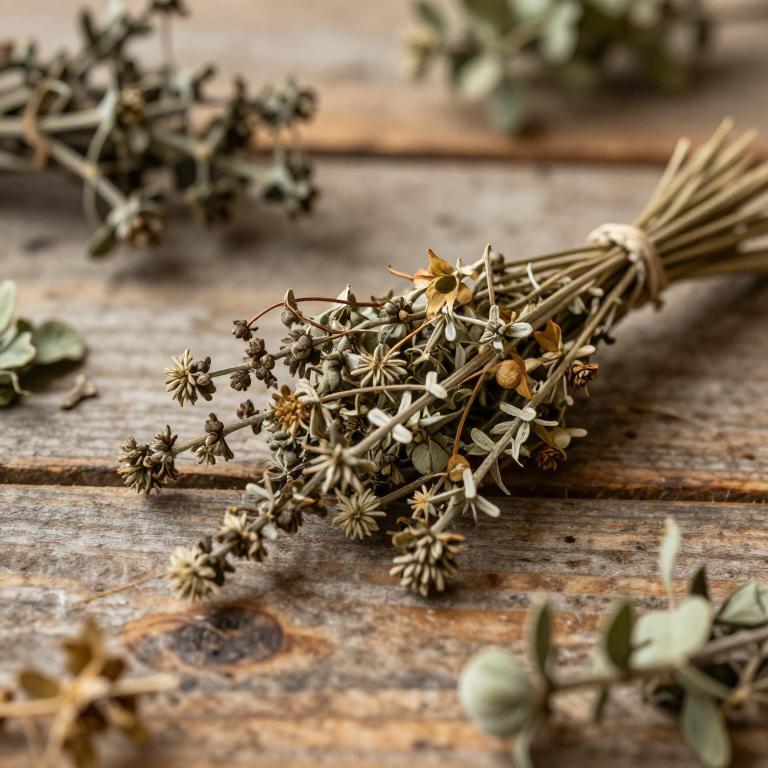
- Synonyms
- Trichilia Mollissima · Turraea Octandra · 27 more
- Common names
- Not available
- Family
- Meliaceae
- Distribution
- Not available
- Plant Parts
- Stem
Classification
Common Names
Didymocheton mollissimus is a distinct botanical species recognized by its local common name, 海南樫木. This plant holds a unique place within its native ecosystem, reflecting the rich biodiversity found in its specific habitat. Understanding its relationship to the surrounding environment helps researchers better appreciate the ecological importance of the Hainan region. By studying this species, botanists can gain deeper insights into the complex connections that define tropical flora. Ultimately, honoring its traditional name preserves a vital link between scientific classification and local cultural heritage.
Sources: Catalogue of Life (COL)
Synonyms
Didymocheton mollissimus is a plant species that carries several botanical synonyms due to various historical classifications. Within scientific literature, it is frequently identified by the names Alliaria mollis and Alliaria mollissima. Taxonomic studies also link this species to the synonyms Alliaria schizochitoides and Alliaria teysmannii. Furthermore, the name Didymocheton hainanensis has been used to refer to this same organism in different contexts. Understanding these various nomenclatures is essential for researchers tracking the plant's true identity across different studies.
Sources: The World Checklist of Vascular Plants (WCVP)
Taxonomy
Didymocheton mollissimus is a specialized organism that belongs to the vast kingdom Plantae. Within this biological kingdom, the species is classified under the class Equisetopsida. It is further organized into the order Sapindales, which helps scientists understand its evolutionary lineage. As a member of the genus Didymocheton, it exhibits unique characteristics specific to its group. Finally, this plant is nested within the family Meliaceae, completing its formal botanical identity.
| Rank | Classification |
|---|---|
| Kingdom | Plantae |
| Phylum | Streptophyta |
| Class | Equisetopsida |
| Subclass | Magnoliidae |
| Order | Sapindales |
| Family | Meliaceae |
| Genus | Didymocheton |
Sources: The World Checklist of Vascular Plants (WCVP)
Distribution
Geographic Regions
Didymocheton mollissimus is a versatile plant species with a broad geographical footprint across the Asian continent. Its distribution spans both temperate and tropical regions, showcasing a remarkable ability to adapt to diverse climates. In the temperate zones, the species is firmly established throughout various parts of China, including the South-Central and Southeast regions as well as the island of Hainan. Moving into tropical territories, the plant thrives within the Indian Subcontinent, specifically marking its presence in Assam and Bangladesh. This wide-ranging habitat highlights the ecological significance and expansive reach of the species.
Sources: The World Checklist of Vascular Plants (WCVP)
Identification
Biological Activities
Compounds
Conditions
Preparations
Didymocheton mollissimus is prepared as an ethanol extract to facilitate the isolation of specific chemical compounds. This extraction process was specifically applied to the stem bark of the plant to derive ergostane steroids. Researchers utilized this ethanol extract to identify three new steroid structures through advanced spectral methods. Once isolated from the extract, these substances were evaluated for their potential biological properties. The study ultimately focused on testing these extract-derived steroids for their ability to inhibit COX-1 and COX-2 enzymes.
Parts used
Didymocheton mollissimus possesses a specific structural relationship with its part stem, which serves as a primary source for chemical investigation. Scientific analysis has focused on the ethanol extract derived from the stem bark of this species to identify unique bioactive compounds. Through these studies, researchers successfully isolated three new ergostane steroids characterized by complex molecular structures. Advanced spectral methods, including NMR spectroscopy and high-resolution mass spectrometry, were employed to achieve precise structural elucidation. These findings are particularly significant as the isolated steroids demonstrated modest selective inhibition during anti-inflammatory evaluations against COX-1 enzymes.