Dicoma anomala subsp. gerrardii
Dicoma anomala subsp. gerrardii · Accepted scientific name
Scientific literature: Very Sparse (0 studies) · ★☆☆☆☆
Dicoma anomala subsp. gerrardii is a specialized botanical specimen that has garnered significant attention in pharmacological research. Recent studies have identified the presence of unique chemical compounds within the plant, most notably dehydrobrachylaenolide. This specific substance is being investigated for its potential biological activity against various pathogens. Of particular interest is the plant's efficacy under conditions involving Plasmodium falciparum, the parasite responsible for malaria. Consequently, this subspecies represents a promising subject for the development of new antimalarial therapeutic agents.
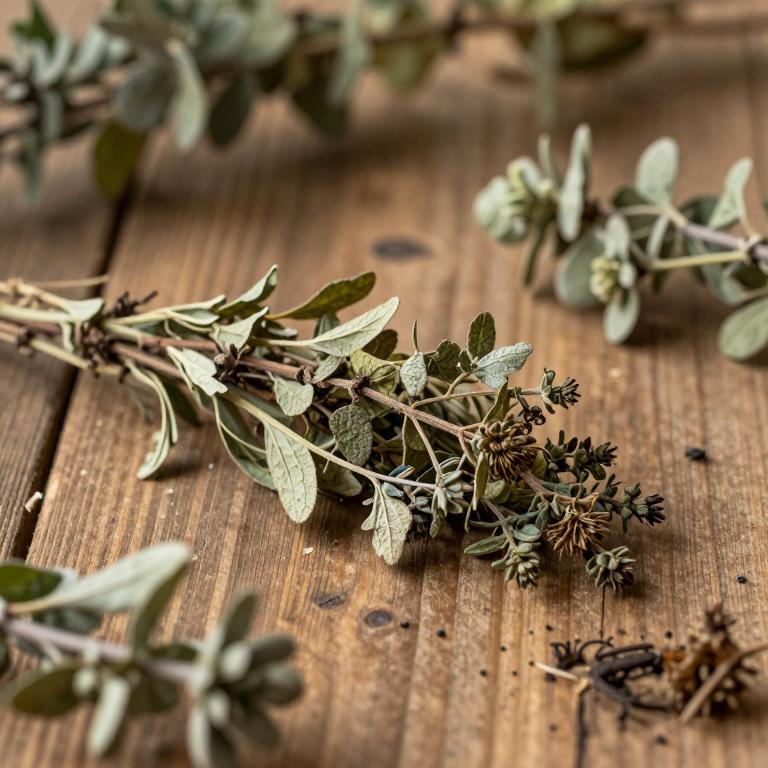
- Synonyms
- Dicoma Gerrardii
- Common names
- Not available
- Family
- Asteraceae
- Distribution
- Asia-Tropical
- Plant Parts
- Not available
Classification
Common Names
Dicoma anomala subsp. gerrardii is a unique botanical specimen commonly referred to by its local name, Erect Grassveld Karmedik. This specific subspecies plays a distinct role within its native ecosystem, contributing to the overall biodiversity of the grassveld. Its presence is often a key indicator of the health and stability of the surrounding vegetation community. By interacting with various soil microbes and pollinators, the plant maintains vital ecological connections. Understanding these relationships is essential for anyone studying the complex life cycles found within these grasslands.
Sources: Catalogue of Life (COL)
Synonyms
Dicoma anomala subsp. gerrardii is a botanical taxon that is closely linked to the name Dicoma gerrardii. In scientific literature, the latter is recognized as a formal synonym for this specific subspecies. This nomenclatural relationship means that both names refer to the same biological entity. Understanding these synonyms is essential for researchers to ensure accuracy when documenting plant diversity. Consequently, tracking these botanical connections helps clarify the complex evolutionary history of the species.
Sources: The World Checklist of Vascular Plants (WCVP)
Taxonomy
Dicoma anomala subsp. gerrardii is a distinctive biological entity that belongs to the vast kingdom Plantae. Within this expansive realm, it is specifically categorized under the class Equisetopsida. As a member of the order Asterales, it shares structural characteristics with a wide array of related species. This subspecies is further defined by its placement within the genus Dicoma. Ultimately, its botanical identity is solidified by its membership in the diverse family Asteraceae.
| Rank | Classification |
|---|---|
| Kingdom | Plantae |
| Phylum | Streptophyta |
| Class | Equisetopsida |
| Subclass | Magnoliidae |
| Order | Asterales |
| Family | Asteraceae |
| Genus | Dicoma |
Sources: The World Checklist of Vascular Plants (WCVP)
Distribution
Geographic Regions
Dicoma anomala subsp. gerrardii is a distinctive plant species with an extensive presence across the African continent. Its geographical range is most notable throughout Southern Africa, where it thrives in diverse ecological settings. Specifically, the subspecies can be found inhabiting the landscapes of Botswana and the various regions of Zimbabwe. Within South Africa, its distribution extends through the Cape Provinces, the Free State, and KwaZulu-Natal. This wide-reaching pattern highlights the plant's ability to adapt to the unique environments found across these southern territories.
Sources: The World Checklist of Vascular Plants (WCVP)
Identification
Biological Activities
Compounds
Dicoma anomala subsp. gerrardii has emerged as a significant subject of interest in the search for novel anti-malarial agents. Through rigorous phytochemical analysis and spectroscopic identification, researchers discovered that this medicinal plant contains the active constituent dehydrobrachylaenolide. This specific eudesmanolide-type sesquiterpene lactone demonstrated potent in vitro activity against chloroquine-sensitive strains of Plasmodium falciparum. Structural studies revealed that the presence of an α-methylene lactone is essential for its biological efficacy. Furthermore, gene expression profiling suggests that this compound operates through a unique mode of action, distinguishing it from traditional artemisinin treatments.
Conditions
Dicoma anomala subsp. gerrardii exhibits significant anti-malarial activity through its main active constituent, dehydrobrachylaenolide. Research demonstrates that this plant effectively treats Plasmodium falciparum by inhibiting the parasite in vitro. Specifically, the isolated compound showed a potent IC50 of 1.865 μM against the chloroquine-sensitive D10 strain. This anti-plasmodial effect is driven by a unique mode of action that differs from traditional artemisinins. Ultimately, the plant's ability to treat Plasmodium falciparum provides a promising new pathway for combating drug-resistant malaria.