Dichoropetalum knappii
Dichoropetalum knappii · Accepted scientific name
Scientific literature: Very Sparse (3 studies) · ★☆☆☆☆
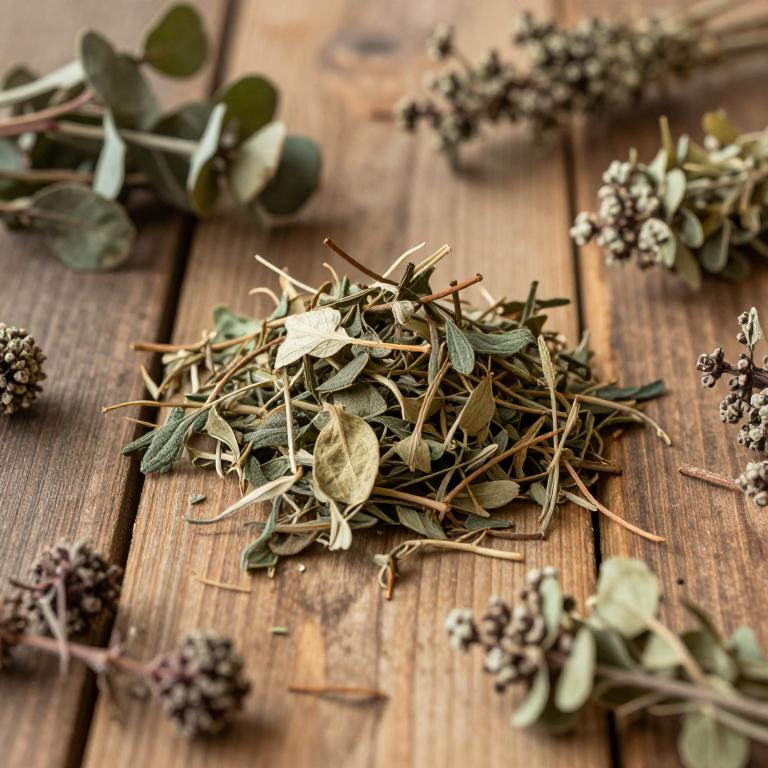
scientifically known as Dichoropetalum knappii, is a versatile medicinal shrub native to East Asia. Renowned for its therapeutic properties, it is frequently utilized in traditional herbal medicine to treat inflammatory conditions and respiratory ailments. This resilient plant offers significant pharmacological potential for developing modern treatments for various systemic health issues.
- Family
- Apiaceae
- Native range
- Asia-Temperate
- Parts used
- Not available
- Common names
- Not available
- Scientific synonyms
- Zeravschania Knappii · Peucedanum Chenur · 1 more
Names and Synonyms
Scientific Names
Accepted name
Dichoropetalum knappiiSynonyms
- Zeravschania knappii
- Peucedanum chenur
- Peucedanum knappii
Sources: Wikidata
Taxonomical Classification
This plant belongs to the kingdom Plantae and the phylum Streptophyta within the class Equisetopsida. It is further classified under the subclass Magnoliidae and the order Apiales, placing it in the family Apiaceae. Finally, its specific taxonomic identity is defined by the genus Dichoropetalum.
| Rank | Classification |
|---|---|
| Kingdom | Plantae |
| Phylum | Streptophyta |
| Class | Equisetopsida |
| Subclass | Magnoliidae |
| Order | Apiales |
| Family | Apiaceae |
| Genus | Dichoropetalum |
Sources: The World Checklist of Vascular Plants (WCVP)
Distribution
This plant is characterized by a very specific and limited geographical range. Its natural habitat is primarily concentrated within the region of Western Asia. Specifically, the species can be found growing in the country of Iran. This restricted distribution suggests that the plant is adapted to the particular environmental conditions found in that area. Consequently, its presence is a notable feature of the local Iranian flora.
| Region | Area |
|---|---|
| Western Asia | Iran |
Sources: The World Checklist of Vascular Plants (WCVP)
Chemicals
Dichoropetalum knappii has 2 reported phytochemicals identified across 0 scientific publications and several other databases. The most consistently reported chemicals include Coumarins, Flavonoids.
| Chemical | Supporting sources | Consensus |
|---|---|---|
| Coumarins | 1 supporting sources | ★☆☆☆☆ |
| Flavonoids | 1 supporting sources | ★☆☆☆☆ |
Coumarins
- Iranian biomedical journal
Flavonoids
- Iranian biomedical journal
Preparations
Dichoropetalum knappii has 2 reported preparations identified across 0 scientific publications and several other databases. The most consistently reported preparations include chloroformic extract, methanolic extract.
| Preparation | Supporting sources | Consensus |
|---|---|---|
| Chloroformic extract | 1 supporting sources | ★☆☆☆☆ |
| Methanolic extract | 1 supporting sources | ★☆☆☆☆ |
Chloroformic extract
- Journal of gastrointestinal cancer
Methanolic extract
- Iranian biomedical journal