Dichelostemma multiflorum
Dichelostemma multiflorum · Accepted scientific name
Scientific literature: Very Sparse (0 studies) · ★☆☆☆☆
Dichelostemma multiflorum, commonly known as the mahogany lily, is a striking perennial herb native to the western regions of North America. This species is characterized by its elegant, bell-shaped flowers and robust architectural foliage. Beyond its aesthetic appeal, the plant possesses a unique chemical profile that has garnered scientific interest. Specifically, it contains specialized compounds such as Desglucolanatigonin II and Gitonin. Understanding these chemical constituents provides valuable insight into the complex biological makeup of this distinctive wildflower.
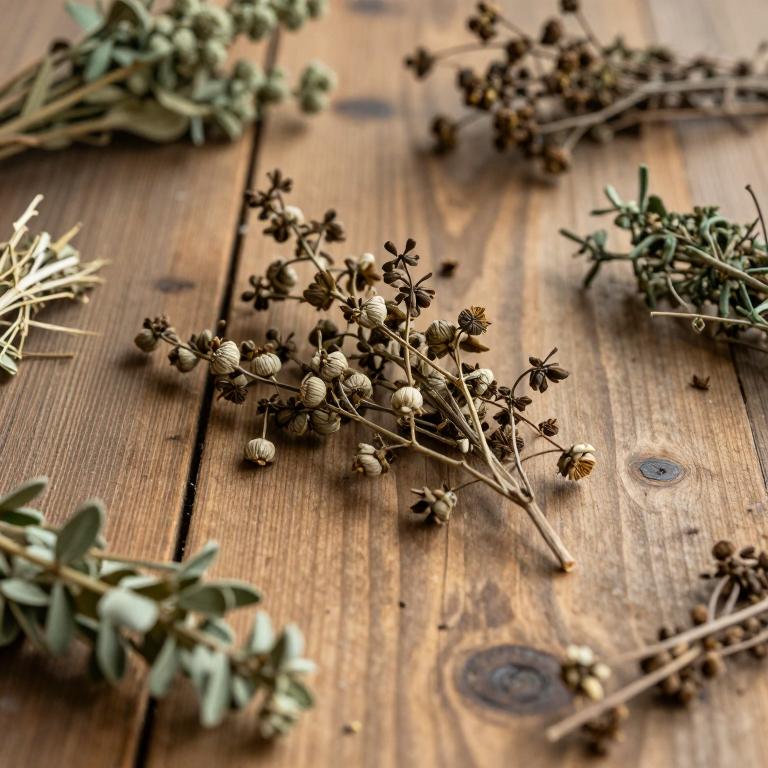
- Synonyms
- Brodiaea Grandiflora Var. Brachypoda · Hookera Multiflora · 3 more
- Common names
- Not available
- Family
- Asparagaceae
- Distribution
- Asia-Tropical
- Plant Parts
- Not available
Classification
Common Names
Dichelostemma multiflorum is a fascinating plant known by several distinct common names. Many enthusiasts refer to it as the Many-Flower Brodiaea or the wild hyacinth due to its striking appearance. In certain regions, it is also frequently called the Round-Tooth Snake-Lily or the roundtooth snakelily. Some local dialects even use the name round-tooth ookow to describe this unique species. Regardless of the name used, this plant remains a notable treasure of its natural habitat.
Sources: Catalogue of Life (COL)
Synonyms
Dichelostemma multiflorum is a complex species known to be associated with several different botanical names throughout history. Taxonomists have frequently identified it under the synonym Brodiaea grandiflora var. brachypoda, reflecting shifting classifications. It is also closely linked to the names Brodiaea grandiflora and Brodiaea parviflora within various scientific records. Furthermore, the plant has been categorized under the genus Hookera, specifically as Hookera multiflora and Hookera parviflora. These various synonyms highlight the intricate and evolving nature of its botanical identity.
Sources: The World Checklist of Vascular Plants (WCVP)
Taxonomy
Dichelostemma multiflorum is a fascinating botanical specimen belonging to the kingdom Plantae. Within this vast kingdom, the plant is classified under the class Equisetopsida. It further belongs to the order Asparagales, showcasing its specific evolutionary lineage. This species is a proud member of the family Asparagaceae, which helps define its structural characteristics. Finally, it is identified by its unique scientific genus, Dichelostemma.
| Rank | Classification |
|---|---|
| Kingdom | Plantae |
| Phylum | Streptophyta |
| Class | Equisetopsida |
| Subclass | Magnoliidae |
| Order | Asparagales |
| Family | Asparagaceae |
| Genus | Dichelostemma |
Sources: The World Checklist of Vascular Plants (WCVP)
Distribution
Geographic Regions
Dichelostemma multiflorum is a distinctive plant species found throughout various regions of North America. Its natural distribution extends across the northwestern reaches of the United States, particularly within the state of Oregon. Additionally, this plant thrives in the southwestern landscapes of the country, with a significant presence in California. These diverse habitats allow the species to flourish across a wide range of environmental conditions. Understanding these geographical connections is essential for studying the plant's ecological role in these unique territories.
Sources: The World Checklist of Vascular Plants (WCVP)
Identification
Morphology
Dichelostemma multiflorum grows in the form of a delicate herb. As a self-supporting plant, it maintains its own structure within its natural habitat.
Sources: Global Inventory of Floras and Traits (GIFT)
Biological Activities
Compounds
Dichelostemma multiflorum is a plant species of significant interest due to the unique chemical profile found within its tubers. Detailed phytochemical examinations have revealed that these tubers serve as a source of various steroidal saponins. Specifically, the plant has been identified as containing the known compounds desglucolanatigonin II and gitonin. Along with these established substances, researchers also isolated three previously undocumented saponins. These findings are particularly important as the study of these compounds helps evaluate their potential medicinal applications in inhibiting cyclic-AMP phosphodiesterase.