carnation
Dianthus · Accepted scientific name
Scientific literature: Very Sparse (3 studies) · ★☆☆☆☆
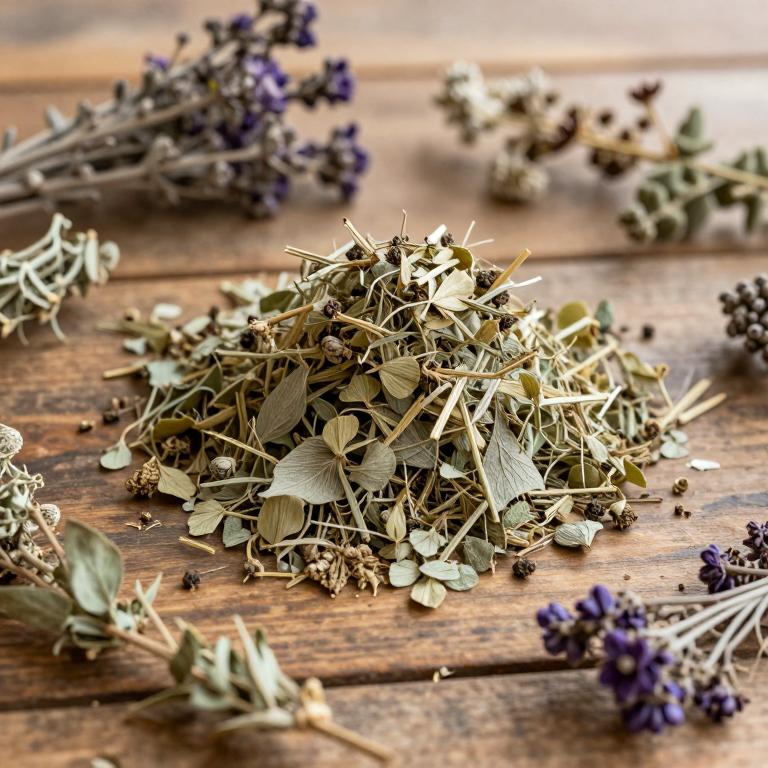
Carnation, scientifically known as Dianthus, is a versatile genus of flowering plants celebrated for their fragrant, ruffled blooms. Beyond their ornamental beauty in gardens, various species possess significant medicinal properties. Traditionally used to support respiratory health and soothe skin, these vibrant flowers bridge the gap between aesthetics and wellness.
Names and Synonyms
Common Names
- pink
- Carnation
- Pinks
- Pinks and carnations
- carnations
Scientific Names
Accepted name
DianthusSynonyms
- Caryophyllus
- Cylichnanthus
- Velezia
Regional and Traditional Names
Spanish:
- Clavel
- Claveles y parientes
- Clavel
German:
- Nelken
- Nelken
French:
- Œillet
- Œillets
- Œillet
Sources: Wikidata, Catalogue of Life
Taxonomical Classification
This plant belongs to the kingdom Plantae within the phylum Streptophyta and the class Equisetopsida. Classified under the subclass Magnoliidae and the order Caryophyllales, it is a member of the family Caryophyllaceae. Its taxonomic identity is finalized within the genus Dianthus.
| Rank | Classification |
|---|---|
| Kingdom | Plantae |
| Phylum | Streptophyta |
| Class | Equisetopsida |
| Subclass | Magnoliidae |
| Order | Caryophyllales |
| Family | Caryophyllaceae |
| Genus | Dianthus |
Sources: The World Checklist of Vascular Plants (WCVP)
Distribution
This plant exhibits a specific geographical distribution across several northern European regions. It can be found growing naturally within the borders of Denmark. Additionally, its presence is noted throughout the landscapes of Finland. The species also populates various areas across Great Britain and Ireland. Finally, its range extends into the northern territories of Norway.
| Region | Area |
|---|---|
| Northern Europe | Denmark |
| Northern Europe | Finland |
| Northern Europe | Great Britain |
| Northern Europe | Ireland |
| Northern Europe | Norway |
| Northern Europe | Sweden |
| Middle Europe | Austria |
| Middle Europe | Belgium |
| Middle Europe | Czechia-Slovakia |
| Middle Europe | Germany |
Sources: The World Checklist of Vascular Plants (WCVP)
Chemicals
Dianthus has 3 reported phytochemicals identified across 0 scientific publications and several other databases. The most consistently reported chemicals include beta-sitosterol 3-O-beta-D-glucopyranoside, luteolin, quercetin.
| Chemical | Supporting sources | Consensus |
|---|---|---|
| beta-sitosterol 3-O-beta-D-glucopyranoside | 1 supporting sources | ★☆☆☆☆ |
| luteolin | 1 supporting sources | ★☆☆☆☆ |
| quercetin | 1 supporting sources | ★☆☆☆☆ |
beta-sitosterol 3-O-beta-D-glucopyranoside
- Archives of pharmacal research
luteolin
- Archives of pharmacal research
quercetin
- Archives of pharmacal research
Preparations
Dianthus has 1 reported preparations identified across 0 scientific publications and several other databases. The most consistently reported preparations include essential oils.
| Preparation | Supporting sources | Consensus |
|---|---|---|
| Essential oils | 1 supporting sources | ★☆☆☆☆ |
Essential oils
- Pharmaceutical biology