Dianthus sylvestris subsp. aristidis
Dianthus sylvestris subsp. aristidis · Accepted scientific name
Scientific literature: Very Sparse (0 studies) · ★☆☆☆☆
Dianthus sylvestris subsp. aristidis is a unique botanical specimen of significant interest for its complex chemical profile. Scientific investigations have focused primarily on the plant's leaves to identify bioactive compounds. Research utilizing various solvents has led to the isolation of MeOH, n-BuOH, EtOAc, and HMeOH leaf extracts. These diverse preparations have facilitated the detailed study of the flavonoids present within the species. Understanding these chemical constituents provides valuable insight into the biological potential of this specific subspecies.
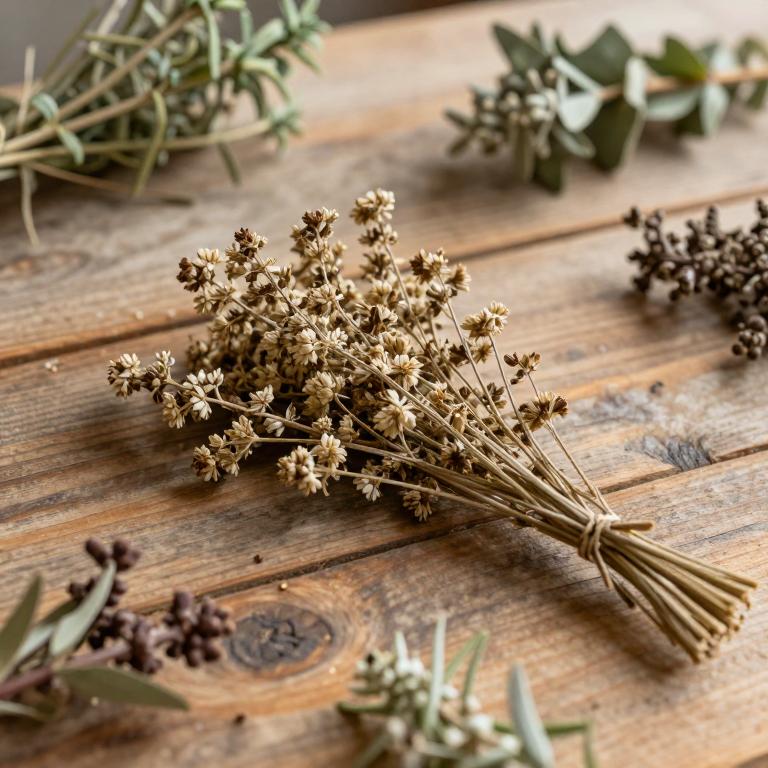
- Synonyms
- Dianthus Caryophyllus Subsp. Aristidis · Dianthus Aristidis
- Common names
- Not available
- Family
- Caryophyllaceae
- Distribution
- Not available
- Plant Parts
- Leaf
Classification
Synonyms
Dianthus sylvestris subsp. aristidis is a botanical taxon that has undergone several taxonomic reclassifications. Within scientific literature, this specific subspecies is frequently identified by the synonym Dianthus aristidis. It is also recognized under the alternative name Dianthus caryophyllus subsp. aristidis. These various nomenclatural connections reflect the evolving nature of plant classification and historical research. Understanding these relationships is essential for botanists seeking to maintain accurate records of the species.
Sources: The World Checklist of Vascular Plants (WCVP)
Taxonomy
Dianthus sylvestris subsp. aristidis is a unique botanical specimen that belongs to the kingdom Plantae. Within this vast kingdom, it is specifically classified under the class Equisetopsida. Its evolutionary lineage places it in the order Caryophyllales, showcasing its specialized biological traits. Furthermore, it is a member of the family Caryophyllaceae, a group known for its diverse flowering structures. Ultimately, this plant is defined by its membership in the distinct genus Dianthus.
| Rank | Classification |
|---|---|
| Kingdom | Plantae |
| Phylum | Streptophyta |
| Class | Equisetopsida |
| Subclass | Magnoliidae |
| Order | Caryophyllales |
| Family | Caryophyllaceae |
| Genus | Dianthus |
Sources: The World Checklist of Vascular Plants (WCVP)
Distribution
Geographic Regions
Dianthus sylvestris subsp. aristidis is a distinctive botanical specimen primarily found within the African continent. Its specific range is concentrated throughout Northern Africa, where it adapts to the unique regional climates. Within this vast territory, the subspecies is most notably documented in the landscapes of Algeria. This localized distribution highlights the plant's specialized ecological niche in the Mediterranean surroundings. Understanding these geographic patterns is essential for researchers studying the biodiversity of the African region.
Sources: The World Checklist of Vascular Plants (WCVP)
Identification
Biological Activities
Compounds
Conditions
Dianthus sylvestris subsp. aristidis demonstrates significant pharmacological potential in the management of dermatological and metabolic disorders. The plant's extracts are particularly useful for skincare due to their high sun protection factor and photoprotective capabilities. Additionally, the species shows promise for metabolic disorder management through its bioactive secondary metabolites. Specifically, its ability to inhibit alpha-amylase suggests effective applications in diabetes management. These medicinal properties highlight the plant's versatile therapeutic value for both skin health and systemic metabolic regulation.
Preparations
Dianthus sylvestris subsp. aristidis is prepared as a MeOH extract to facilitate the identification of bioactive compounds such as phenolic acids and flavonoids through LC-ESI-MS/MS profiling. The plant is also prepared as hydromethanolic (HMeOH) leaf extracts to undergo comprehensive phytochemical and biological evaluations. Additionally, the species is processed into ethyl acetate (EtOAc) extracts, which demonstrated significant photoprotective potential during sun protection factor testing. Butanolic (n-BuOH) extracts are also prepared from the plant to assess their cytotoxicity and enzymatic inhibitory activities. These various extraction methods allow for a thorough investigation of the plant's potential applications in managing dermatological and metabolic disorders.
Parts used
Dianthus sylvestris subsp. aristidis is an endemic Algerian plant that offers significant pharmacological potential through its unique chemical composition. Researchers focused their investigation on the hydromethanolic leaf extract to identify the bioactive metabolites contained within the foliage. Through advanced mass spectrometry, the study successfully identified 22 bioactive compounds, including various phenolic acids and flavonoids. These leaf-derived extracts demonstrated impressive photoprotective capabilities and strong inhibitory activity against enzymes related to metabolic disorders. Ultimately, the study highlights how the medicinal properties of the plant's leaves could lead to new treatments for skincare and diabetes management.