Deverra scoparia
Deverra scoparia · Accepted scientific name
Scientific literature: Very Sparse (3 studies) · ★☆☆☆☆
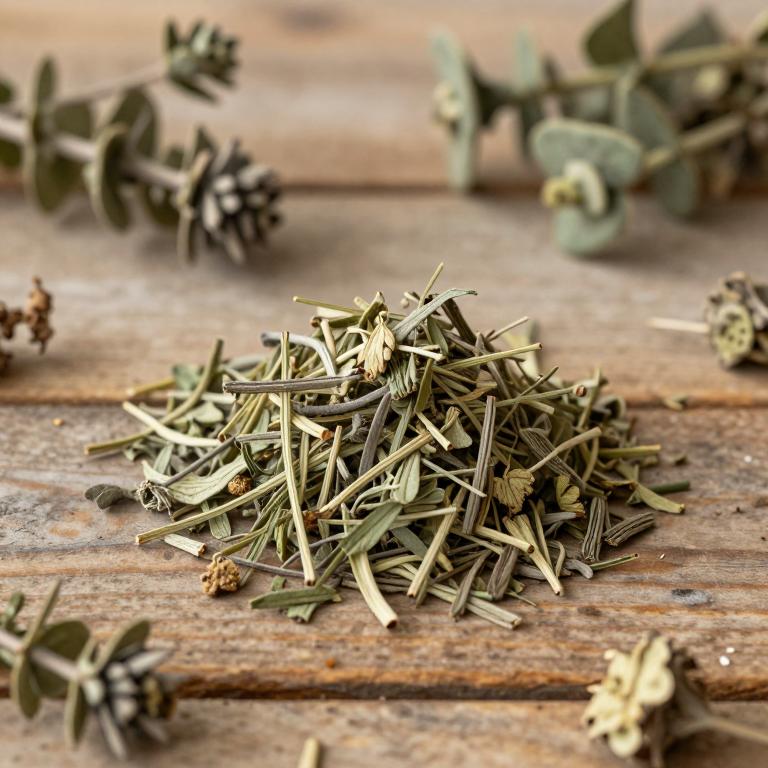
Deverra scoparia is a botanical species recognized for its diverse therapeutic potential and unique chemical composition. The plant's stem serves as a primary source for various preparations, including essential oils, ethanolic extracts, and hydromethanolic stem extracts. It contains significant bioactive compounds such as chlorophyll, carotenoids, cianidanol, and coumarins. These chemical constituents contribute to its documented analgesic, antibacterial, and antioxidant activities. Consequently, the plant is utilized to address various health conditions, ranging from dermatoses and asthma to abdominal pain.
- Synonyms
- Pituranthos Scoparius
- Common names
- Not available
- Family
- Apiaceae
- Distribution
- Not available
- Plant Parts
- Stem
Classification
Synonyms
Deverra scoparia is a botanical species that is frequently identified by its alternative scientific name, Pituranthos scoparius. This synonymy often causes confusion for researchers and gardeners attempting to categorize the plant correctly within its taxonomic lineage. Understanding that these two names refer to the exact same organism is essential for accurate botanical documentation. By recognizing this relationship, experts can ensure that data regarding the plant's habitat and characteristics remain consistent across different studies. Ultimately, mastering these nomenclatural connections provides a clearer picture of the plant's place in the natural world.
Sources: The World Checklist of Vascular Plants (WCVP)
Taxonomy
Deverra scoparia is a distinctive member of the kingdom Plantae. Within this vast biological realm, the plant is classified under the class Equisetopsida. It belongs to the order Apiales, which helps define its structural characteristics. Furthermore, it is nested within the family Apiaceae, a group known for its diverse botanical features. Ultimately, this species is identified by its unique classification under the genus Deverra.
| Rank | Classification |
|---|---|
| Kingdom | Plantae |
| Phylum | Streptophyta |
| Class | Equisetopsida |
| Subclass | Magnoliidae |
| Order | Apiales |
| Family | Apiaceae |
| Genus | Deverra |
Sources: The World Checklist of Vascular Plants (WCVP)
Distribution
Geographic Regions
Deverra scoparia is a plant species primarily distributed throughout the North African region. Its natural range extends across several diverse territories, including Algeria and Libya. It is also commonly found within the borders of Morocco and Tunisia. Furthermore, the species maintains a presence in the territory of Western Sahara. Together, these locations define the specific geographical footprint of this plant across the continent.
Sources: The World Checklist of Vascular Plants (WCVP)
Identification
Biological Activities
Deverra scoparia, also known as Pituranthos scoparius, demonstrates a diverse range of pharmacological properties that support its traditional medicinal uses. Scientific investigations have confirmed that the plant possesses significant analgesic activity, providing relief in various animal models. Furthermore, studies indicate that the species exhibits antibacterial capabilities against human pathogenic bacteria. The plant's extract also displays notable antioxidant activity, contributing to its potential in nutraceutical applications. These combined biological effects highlight the plant's value as a natural source for various therapeutic agents.
Compounds
Deverra scoparia, also known as Pituranthos scoparius, is a medicinal plant from North Africa that possesses a diverse array of bioactive chemical constituents. Scientific investigations have confirmed that the plant contains high amounts of polyphenols, flavonoids, and tannins, which contribute to its potent anti-inflammatory and analgesic properties. Furthermore, studies on plants facing abiotic stress have identified the presence of chlorophyll and carotenoids within its system. These various phytochemicals and pigments highlight the complex biological makeup of the species. Ultimately, the presence of these specific compounds underscores the therapeutic potential of the plant for future drug development.
Conditions
Deverra scoparia, also known as Pituranthos scoparius, is utilized in traditional medicine to treat dermatoses and various digestive disorders. The plant's ethanolic extract and essential oil demonstrate significant DPPH radical scavenging activity, indicating antioxidant potential. Furthermore, the ethanolic extract possesses antibacterial properties that effectively treat Enterococcus faecalis. In silico analyses also reveal that specific phytochemicals within the plant can bind to and treat LasR to suppress its function.
Preparations
Deverra scoparia is utilized in local medicinal preparations due to its biological potential. The plant is prepared as an essential oil to study its specific chemical components. It is also processed as an ethanolic extract to evaluate its pharmacological properties. Additionally, researchers have utilized Deverra scoparia as extracts to isolate bioactive compounds like flavone glucoside. Finally, the plant is prepared as a hydromethanolic stem extract (PSSE) for various ethnopharmacological investigations.
Parts used
Deverra scoparia, also known as Pituranthos scoparius, is a medicinal plant widely utilized in the traditional medicine of North Africa. Research specifically highlights the importance of the plant's stem, which serves as a primary source for various therapeutic extracts. Studies on the hydromethanolic stem extract have demonstrated that it possesses significant anti-inflammatory and analgesic properties. Furthermore, chemical analysis of the stem reveals a rich concentration of bioactive compounds such as polyphenols, flavonoids, and tannins. Ultimately, these stem-derived components appear to be both safe and effective, offering potential as natural agents for treating inflammatory conditions.