Derrises
Derris · Accepted scientific name
Scientific literature: Very Sparse (10 studies) · ★☆☆☆☆
Derrises, scientifically known as Derris, is a diverse genus of climbing plants native to tropical regions. Renowned for their bioactive compounds, many species are traditionally utilized in herbal medicine. Most notably, extracts from certain varieties are used to produce natural insecticides, offering an eco-friendly alternative to synthetic pesticides.
- Family
- Fabaceae
- Native range
- Africa
- Parts used
- Seed
- Common names
- Derrises
- Scientific synonyms
- Salken · Paraderris
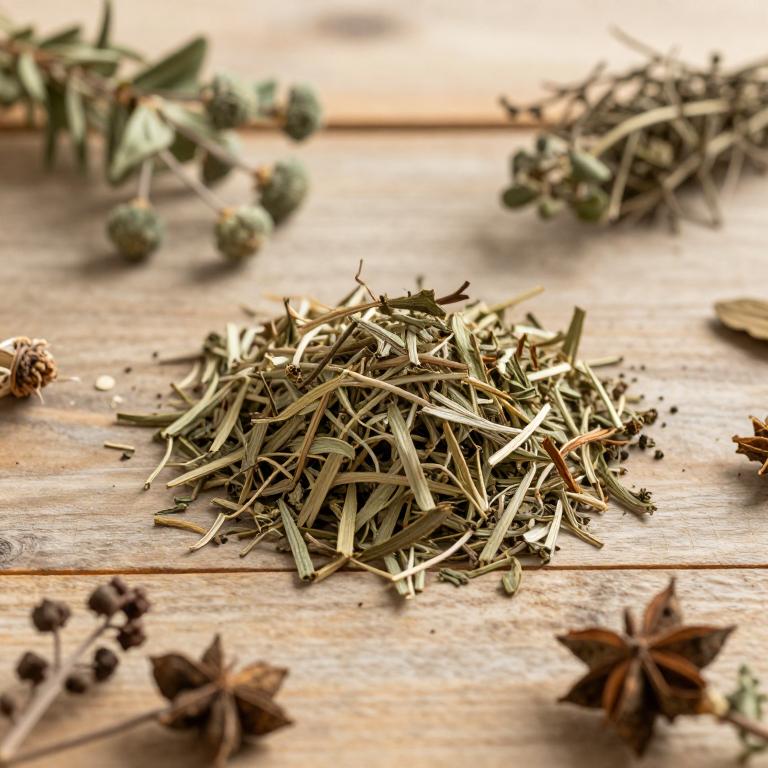
Names and Synonyms
Common Names
- Derrises
Scientific Names
Accepted name
DerrisSynonyms
- Salken
- Paraderris
Sources: Wikidata, Catalogue of Life
Taxonomical Classification
This plant belongs to the kingdom Plantae and is classified under the phylum Streptophyta and the class Equisetopsida. Within the subclass Magnoliidae, it falls under the order Fabales and the family Fabaceae. Finally, the medicinal specimen is categorized under the genus Derris.
| Rank | Classification |
|---|---|
| Kingdom | Plantae |
| Phylum | Streptophyta |
| Class | Equisetopsida |
| Subclass | Magnoliidae |
| Order | Fabales |
| Family | Fabaceae |
| Genus | Derris |
Sources: The World Checklist of Vascular Plants (WCVP)
Distribution
This plant exhibits a broad presence across several key regions within the African continent. In West-Central Tropical Africa, its distribution includes the Democratic Republic of the Congo. Moving toward the northeast, it can be found inhabiting the landscapes of Somalia. The plant also extends through East Tropical Africa, specifically within the territories of Kenya and Tanzania. Finally, its range reaches into South Tropical Africa, where it is located in Mozambique.
| Region | Area |
|---|---|
| West-Central Tropical Africa | DR Congo |
| Northeast Tropical Africa | Somalia |
| East Tropical Africa | Kenya |
| East Tropical Africa | Tanzania |
| South Tropical Africa | Mozambique |
| Southern Africa | KwaZulu-Natal |
| Southern Africa | Eswatini |
| Western Indian Ocean | Comoros |
| Western Indian Ocean | Madagascar |
| Western Indian Ocean | Réunion |
Sources: The World Checklist of Vascular Plants (WCVP)
Plant Parts
Derris has 1 reported plant parts identified across 1 scientific publications and several other databases that are studied for medicinal purposes. The most consistently reported plant part include seed.
| Plant part | Supporting sources | Consensus |
|---|---|---|
| Seed | 1 supporting sources | ★☆☆☆☆ |
Seed
- Mini reviews in medicinal chemistry
Chemicals
Derris has 3 reported phytochemicals identified across 1 scientific publications and several other databases. The most consistently reported chemicals include Coumarins, Glycosides, Isoflavones.
| Chemical | Supporting sources | Consensus |
|---|---|---|
| Coumarins | 1 supporting sources | ★☆☆☆☆ |
| Glycosides | 1 supporting sources | ★☆☆☆☆ |
| Isoflavones | 1 supporting sources | ★☆☆☆☆ |
Coumarins
- Mini reviews in medicinal chemistry
Glycosides
- Mini reviews in medicinal chemistry
Isoflavones
- Mini reviews in medicinal chemistry
Activities
Derris has 4 reported activities identified across 1 scientific publications and several other databases. The most consistently reported activities include Antibacterial, Anticancer, Antifungal, Antihyperglycemic.
| Activity | Supporting sources | Consensus |
|---|---|---|
| Antibacterial | 1 supporting sources | ★☆☆☆☆ |
| Anticancer | 1 supporting sources | ★☆☆☆☆ |
| Antifungal | 1 supporting sources | ★☆☆☆☆ |
| Antihyperglycemic | 1 supporting sources | ★☆☆☆☆ |
Antibacterial
- Mini reviews in medicinal chemistry
Anticancer
- Mini reviews in medicinal chemistry
Antifungal
- Mini reviews in medicinal chemistry
Antihyperglycemic
- Mini reviews in medicinal chemistry
Conditions
Derris has 2 reported investigations on conditions identified across 1 scientific publications and several other databases. The most consistently reported conditions include cancer, psoriasis.
| Condition | Supporting sources | Consensus |
|---|---|---|
| Cancer | 1 supporting sources | ★☆☆☆☆ |
| Psoriasis | 1 supporting sources | ★☆☆☆☆ |
Cancer
- Frontiers in pharmacology
Psoriasis
- Mini reviews in medicinal chemistry