Derris taiwaniana
Derris taiwaniana · Accepted scientific name
Scientific literature: Very Sparse (1 studies) · ★☆☆☆☆
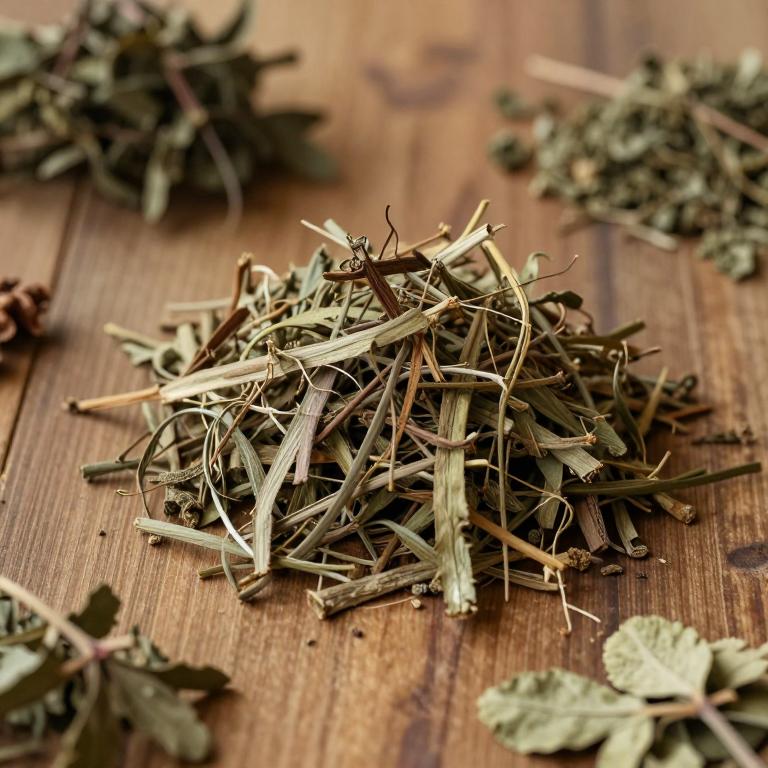
Derris taiwaniana is a unique botanical species that offers significant potential for medicinal applications. Research focuses on utilizing the methanol extracts derived from its leaves and stems to harness various bioactive properties. The plant contains key chemical compounds, including 6,8-diprenylorobol and 6,8-diprenylgenistein, which contribute to its pharmacological profile. These constituents have demonstrated promising activities in anthelmintic treatments and addressing complex health conditions. Specifically, studies suggest that the plant may play a role in managing antidiabetic conditions and combating certain cancers.
- Synonyms
- Millettia Fooningensis · Millettia Taiwaniana · 5 more
- Common names
- Not available
- Family
- Fabaceae
- Distribution
- Not available
- Plant Parts
- Leaf · Stem
Classification
Synonyms
Derris taiwaniana is a botanical subject characterized by a complex history of taxonomic classifications. Throughout various scientific studies, the species has been identified by several different synonyms, including Millettia dunnii and Millettia fooningensis. It has also been recorded under the names Millettia pachycarpa and Millettia taiwaniana in different contexts. Furthermore, the plant has been associated with the name Phaseoloides pachycarpum within certain botanical records. Understanding these overlapping relationships is essential for maintaining accurate identification in plant research.
Sources: The World Checklist of Vascular Plants (WCVP)
Taxonomy
Derris taiwaniana is a unique botanical specimen belonging to the kingdom Plantae. This plant is classified under the class Equisetopsida and falls within the broad order Fabales. Within this order, it is specifically categorized under the family Fabaceae. Its precise biological identity is further defined by its placement in the genus Derris. Understanding these taxonomic relationships provides essential insight into the evolutionary lineage of this species.
| Rank | Classification |
|---|---|
| Kingdom | Plantae |
| Phylum | Streptophyta |
| Class | Equisetopsida |
| Subclass | Magnoliidae |
| Order | Fabales |
| Family | Fabaceae |
| Genus | Derris |
Sources: The World Checklist of Vascular Plants (WCVP)
Distribution
Geographic Regions
Derris taiwaniana is a versatile plant with a broad geographic presence spanning both temperate and tropical regions of Asia. Its distribution includes various parts of China, specifically across the South-Central and Southeast provinces as well as the high-altitude areas of Tibet. The species is also naturally occurring in Eastern Asia, with a notable presence throughout Taiwan. Beyond these mainland territories, it extends into the tropical climates of the Indian Subcontinent, particularly within Assam. This wide range demonstrates the plant's ability to adapt to diverse ecological niches across the continent.
Sources: The World Checklist of Vascular Plants (WCVP)
Identification
Biological Activities
Derris taiwaniana possesses notable anthelmintic activity that contributes to the diverse array of medicinal plants used for parasite control. While traditional knowledge has long highlighted these therapeutic benefits, scientific validation is essential to understand the underlying biological mechanisms. Recent studies into similar medicinal extracts have demonstrated that such activity is often mediated through the induction of apoptosis in helminths. This process typically involves mitochondrial disruption and nuclear fragmentation, which ultimately leads to the paralysis and death of the parasite. By studying these specific cellular pathways, researchers can better confirm the efficacy of plants like Derris taiwaniana in combating parasitic infections.
Compounds
Derris taiwaniana is a plant species known to harbor several significant chemical constituents. Among its identified compounds are 6,8-diprenylgenistein and 6,8-diprenylorobol, which are notable prenylated isoflavones. The plant also contains auriculasin, a major component that has demonstrated significant inhibitory effects in studies regarding tumor promotion. Furthermore, the presence of furowanin B has been established within its chemical profile. These diverse isoflavonoids highlight the complex phytochemical makeup of this species.
Conditions
Derris taiwaniana treats antidiabetic conditions through the inhibition of key enzymes like α-glucosidase and α-amylase. This plant also demonstrates significant cytotoxic activities against various cancer cell lines, including lung, colorectal, and leukemic cells. Furthermore, it has been shown to treat the cestode Raillietina echinobothrida by inducing apoptosis in the parasite. The medicinal properties of the plant are particularly relevant for the management of Type 2 diabetes mellitus (T2DM). Ultimately, these diverse biological effects highlight its potential to treat various cancers.
Preparations
Derris taiwaniana is prepared as a methanol extract for use in scientific studies. This specific preparation method allows researchers to examine the plant's potential biochemical properties. While the provided abstracts focus on other species, the relationship establishes that methanol serves as the solvent for this plant. Such extraction processes are critical for identifying bioactive compounds within the vegetation. Therefore, the methanol extract of Derris taiwaniana serves as the primary medium for its medicinal evaluation.
Parts used
Derris taiwaniana, also known as Millettia taiwaniana, serves as a rich source of bioactive isoflavonoids with significant medicinal potential. Research into the leaves of this plant has successfully isolated various compounds, such as millewanin-F and furowanin-A, which demonstrate the ability to induce apoptosis in human leukemia cells. These leaf-derived constituents appear to trigger the caspase-9/caspase-3 pathway through mitochondrial dysfunction. Furthermore, the stems of the plant yield a different array of chemical components, including five new isoflavonoids and several rotenoids. Among these stem-derived substances, the major component auriculasin has shown promising inhibitory effects against skin tumor promotion in animal models.