Dennettia tripetala
Dennettia tripetala · Accepted scientific name
Scientific literature: Very Sparse (8 studies) · ★☆☆☆☆
Dennettia tripetala is a versatile botanical resource known for its significant antioxidant, antimicrobial, analgesic, and antifungal activities. The plant's fruit and seeds are particularly valued, often being processed into methanolic fruit extract (DTMFE), essential oils, or herbal toothpastes. These various preparations are utilized to provide therapeutic relief for conditions such as cough, fever, inflammation, and nausea. By leveraging its natural chemical profile, the plant serves as a potent source of bioactive antioxidants. Consequently, this species holds great promise in both traditional medicine and modern pharmacological applications.
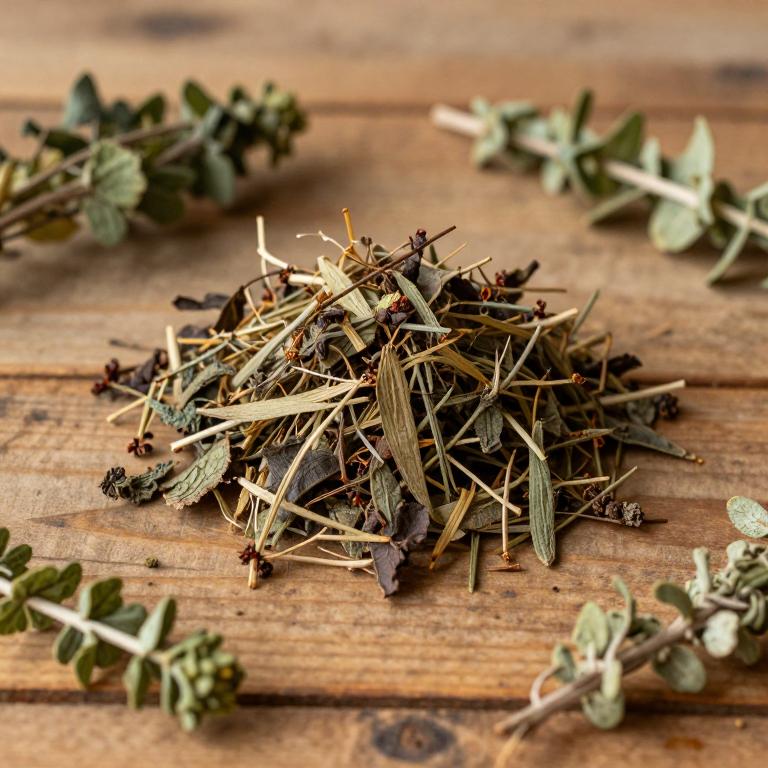
- Synonyms
- Uvariopsis Tripetala
- Common names
- Not available
- Family
- Annonaceae
- Distribution
- Asia-Tropical
- Plant Parts
- Fruit · Seed
Classification
Common Names
Dennettia tripetala is a botanical species frequently identified by its specific nomenclature. In certain regional contexts, it is known by the common name denetia trojlupienková. This linguistic variation helps local populations easily recognize the plant within its natural habitat. Understanding these naming conventions is essential for accurate communication among botanists and enthusiasts alike. Such relationships between scientific and common names highlight the diverse ways humans categorize the natural world.
Sources: Catalogue of Life (COL)
Synonyms
Dennettia tripetala is a botanical species that is often discussed within the context of its taxonomic history. Researchers and botanists frequently encounter it under the synonym Uvariopsis tripetala in various scientific literatures. This nomenclature overlap can sometimes cause confusion for those studying its specific classification. Understanding this relationship is essential for accurate identification and data retrieval in plant databases. Consequently, recognizing both names ensures that scholars can consistently track the plant's biological properties.
Sources: The World Checklist of Vascular Plants (WCVP)
Taxonomy
Dennettia tripetala belongs to the vast kingdom Plantae, representing a unique branch of the natural world. This species is classified under the class Equisetopsida, marking its place among the diverse flowering plants. Within this group, it is a distinguished member of the order Magnoliales. It further resides in the family Annonaceae, showcasing its evolutionary connections to other tropical flora. Ultimately, this plant is defined by its membership in the specific genus Dennettia.
| Rank | Classification |
|---|---|
| Kingdom | Plantae |
| Phylum | Streptophyta |
| Class | Equisetopsida |
| Subclass | Magnoliidae |
| Order | Magnoliales |
| Family | Annonaceae |
| Genus | Dennettia |
Sources: The World Checklist of Vascular Plants (WCVP)
Distribution
Geographic Regions
Dennettia tripetala is a plant species primarily distributed across the diverse landscapes of West Tropical Africa. Its presence is notably recorded throughout several key nations, including Benin and Guinea. The species also thrives within the geographical boundaries of the Ivory Coast and Nigeria. Furthermore, its natural habitat extends into the lush regions of Sierra Leone. This widespread distribution highlights the plant's significant ecological footprint within the West African tropical belt.
Sources: The World Checklist of Vascular Plants (WCVP)
Identification
Biological Activities
Dennettia tripetala, commonly known as pepperfruit, is a medicinal plant widely utilized in West Africa for its diverse therapeutic properties. Scientific research highlights its potent antioxidant capacity, which helps the body combat oxidative stress and maintain cellular health. The plant also demonstrates significant antimicrobial and antifungal activities, making it a valuable resource for fighting various pathogens. Furthermore, its analgesic effects provide relief for conditions such as toothaches, while its antihyperglycemic properties assist in managing diabetes. These multifaceted biological activities underscore the plant's importance in both traditional medicine and potential modern drug development.
Compounds
Conditions
Dennettia tripetala serves as a potent medicinal agent capable of treating glomerular blockage and hepatic injury. The plant's ethanolic extract effectively combats inflammation and mitigates the effects of oxidative stress in biological systems. Furthermore, it plays a critical role in addressing protein and lipid dyshomeostasis by restoring normal concentrations in circulation and organs. These diverse therapeutic actions allow the plant to repair altered structures within the liver and kidneys. Consequently, the fruit contains essential substances that directly alleviate these specific pathophysiological conditions.
Preparations
Dennettia tripetala is prepared as an essential oil from its seeds, though studies indicate this oil may pose toxic risks to the liver and kidneys. This plant is also prepared as herbal toothpastes, which have demonstrated significant antimicrobial effects against oral pathogens. Additionally, Dennettia tripetala is prepared as a methanolic fruit extract (DTMFE) for use in evaluating antioxidant and anti-acetylcholinesterase properties. These different preparations highlight the plant's diverse medicinal and chemical applications. Through these various forms, the plant serves different roles ranging from dental hygiene to the study of oxidative stress mitigation.
Parts used
Dennettia tripetala, commonly known as 'pepperfruit', is a medicinal plant found in West Africa that offers significant therapeutic potential through its various parts. Research highlights that the plant possesses a fruit which can be utilized in ethanolic extracts to combat oxidative stress and alleviate hepatic or glomerular injuries. These fruit extracts have also been shown to influence biliary flow rates, demonstrating the diverse physiological impacts of the plant's components. However, while the fruit offers medicinal benefits, studies on the plant seed reveal potential safety concerns regarding habitual consumption. Specifically, the essential oil derived from the seed has demonstrated dose-dependent toxicity that may adversely affect liver and kidney health.