Dendrophthoe longiflora
Dendrophthoe longiflora · Accepted scientific name
Scientific literature: Very Sparse (0 studies) · ★☆☆☆☆
Dendrophthoe longiflora is a parasitic shrub widely recognized for its diverse medicinal properties in traditional healing practices. Recent scientific inquiries have increasingly focused on its potential to influence complex neurological pathways within the human body. Specifically, researchers are investigating the plant's unique bioactive compounds for their significant neuroprotective effects against oxidative stress. These studies suggest that the plant may play a crucial role in defending neurons from various forms of degenerative damage. Understanding these mechanisms offers promising new directions for developing natural therapeutic interventions for brain health.
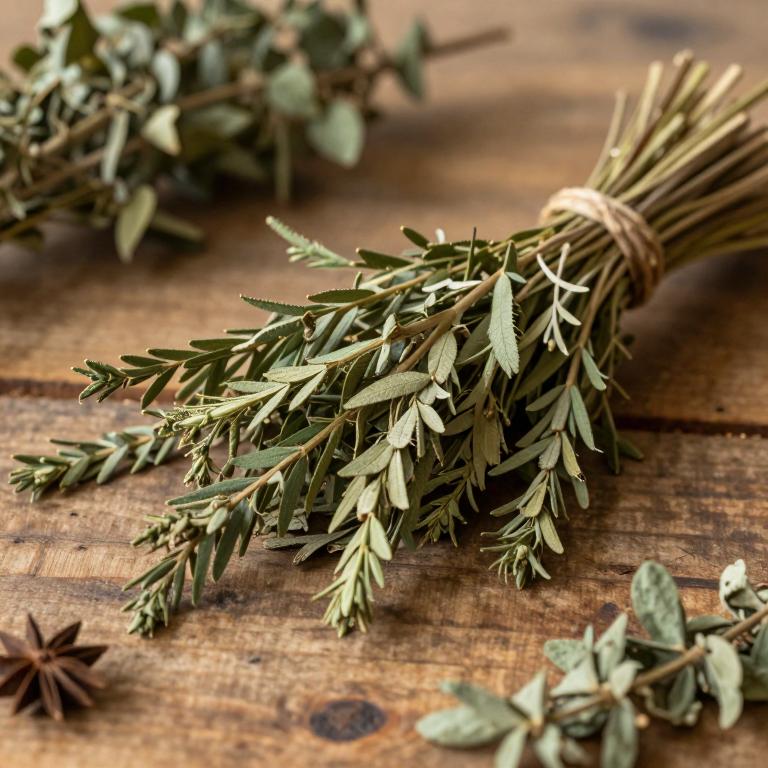
- Synonyms
- Loranthus Longiflorus · Scurrula Longiflora · 1 more
- Common names
- Not available
- Family
- Loranthaceae
- Distribution
- Asia-Tropical
- Plant Parts
- Not available
Classification
Synonyms
Dendrophthoe longiflora is a botanical subject characterized by a diverse range of historical nomenclature. Throughout various scientific studies, this species has been identified under several different names. For instance, it is recognized by the synonym Etubila longiflora in certain taxonomic contexts. Furthermore, the plant has been documented as Loranthus longiflorus and Scurrula longiflora in previous literature. Understanding these synonymous relationships is essential for ensuring accurate identification and consistent botanical communication.
Sources: The World Checklist of Vascular Plants (WCVP)
Taxonomy
Dendrophthoe longiflora is a fascinating botanical specimen belonging to the kingdom Plantae. Within this vast biological realm, it is specifically classified under the class Equisetopsida. This plant is further organized into the order Santalales, showcasing its unique evolutionary lineage. It falls under the genus Dendrophthoe, a group characterized by its distinct morphological traits. Finally, its taxonomic identity is completed by its placement within the family Loranthaceae.
| Rank | Classification |
|---|---|
| Kingdom | Plantae |
| Phylum | Streptophyta |
| Class | Equisetopsida |
| Subclass | Magnoliidae |
| Order | Santalales |
| Family | Loranthaceae |
| Genus | Dendrophthoe |
Sources: The World Checklist of Vascular Plants (WCVP)
Distribution
Geographic Regions
Dendrophthoe longiflora is a botanical species widely distributed across various tropical regions of Asia. Within the Indian Subcontinent, it can be found thriving in India, Pakistan, and Sri Lanka. Its presence extends further into the Indo-China region, where it is native to countries such as Myanmar and Thailand. This broad geographic range highlights the plant's ability to adapt to diverse tropical environments. Consequently, understanding its distribution is essential for studying its ecological role throughout these specific Asian territories.
Sources: The World Checklist of Vascular Plants (WCVP)
Identification
Biological Activities
Compounds
Conditions
Dendrophthoe longiflora serves as a significant medicinal plant capable of conferring neuroprotective effects. It has been identified as a potential option for mitigating the deleterious neuronal damage caused by electromagnetic radiation. Within validated experimental models, this plant contributes to maintaining health through its beneficial biological actions. Its inclusion in research highlights its role alongside other botanicals in protecting the brain from radiation-induced risks. Consequently, its specific properties make it a viable candidate for long-term use in preventing neurological harm.