Dendropanax
Dendropanax · Accepted scientific name
Scientific literature: Very Sparse (5 studies) · ★☆☆☆☆
Dendropanax is a fascinating genus of plants recognized for its diverse range of biological activities. Various parts of the plant, including the leaf, root, and stem, contain potent bioactive compounds. Research has highlighted its significant antibacterial and antifungal properties, making it a subject of medicinal interest. Additionally, the genus exhibits strong antioxidant and cytotoxic effects that warrant further scientific exploration. Understanding these multifaceted chemical profiles provides insight into the plant's potential therapeutic applications.
- Synonyms
- Mesopanax · Textoria
- Common names
- Not available
- Family
- Araliaceae
- Distribution
- Not available
- Plant Parts
- Leaf · Root
Classification
Common Names
Dendropanax is a versatile genus known by several distinct names across various linguistic and regional contexts. In English-speaking circles, it is most frequently referred to simply as the common dendropanax. This botanical group also carries the name ženšenovec in certain Slavic regions and is identified as Дендропанакс in Cyrillic scripts. Moving toward East Asia, the plant is classified under the Japanese designation カクレミノ属. Finally, it is recognized by the Chinese name 树参属, showcasing its diverse international identity.
Sources: Catalogue of Life (COL)
Synonyms
Dendropanax is a fascinating genus that has historically been subject to various taxonomic reclassifications. Throughout botanical history, several different names have been applied to these plants as scientists worked to refine their classification. For instance, the genus has been linked to the synonym Ginnania in previous studies. It has also been identified under the names Mesopanax and Textoria within various scientific records. Understanding these synonymies is essential for researchers tracking the evolutionary lineage of the species.
Sources: The World Checklist of Vascular Plants (WCVP)
Taxonomy
Dendropanax is a unique organism that belongs to the vast kingdom Plantae. Within this biological realm, it is specifically classified under the class Equisetopsida. This plant is a member of the order Apiales, which helps define its evolutionary lineage. It further belongs to the Araliaceae family, a group known for its diverse botanical characteristics. Ultimately, it is defined by its own distinct genus, Dendropanax.
| Rank | Classification |
|---|---|
| Kingdom | Plantae |
| Phylum | Streptophyta |
| Class | Equisetopsida |
| Subclass | Magnoliidae |
| Order | Apiales |
| Family | Araliaceae |
| Genus | Dendropanax |
Sources: The World Checklist of Vascular Plants (WCVP)
Distribution
Geographic Regions
Dendropanax is a genus primarily distributed throughout the Asia-Temperate regions. Within China, its presence is widespread, spanning from the South-Central provinces to the Southeast. The plant can also be found specifically on the island of Hainan. Beyond mainland China, its range extends into Eastern Asia, including the islands of Japan. Finally, its natural habitat reaches into the Korean Peninsula, completing its diverse regional footprint.
Sources: The World Checklist of Vascular Plants (WCVP)
Identification
Biological Activities
Dendropanax species are recognized for their extensive therapeutic potential and diverse biological activities. Scientific literature highlights that these plants possess significant antibacterial and antifungal properties, making them useful against various microbial infections. Furthermore, they exhibit strong antioxidant capabilities that contribute to their medicinal value. The genus also demonstrates cytotoxic effects and neuroprotective qualities, which may assist in managing complex health disorders. These combined pharmacological actions underscore the importance of investigating Dendropanax for future medical advancements.
Compounds
Conditions
Preparations
Parts used
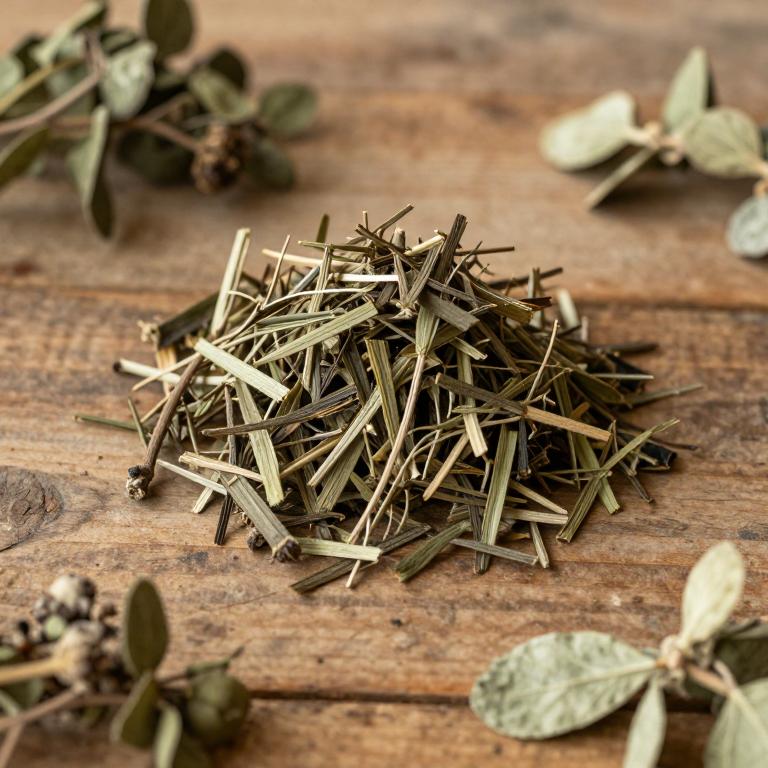
Dendropanax is a diverse genus of flowering plants in the Araliaceae family that holds significant medicinal value across the globe. Various species within this genus are utilized in traditional medicine to manage a wide range of health disorders. Specifically, the therapeutic potential of the plant is found in almost every part, including the leaves and the stems. Additionally, the roots are frequently harvested to provide bioactive compounds for health treatments. By utilizing these different components, researchers continue to explore the vast pharmacological benefits offered by the genus.