Dendrolobium lanceolatum
Dendrolobium lanceolatum · Accepted scientific name
Scientific literature: Very Sparse (0 studies) · ★☆☆☆☆
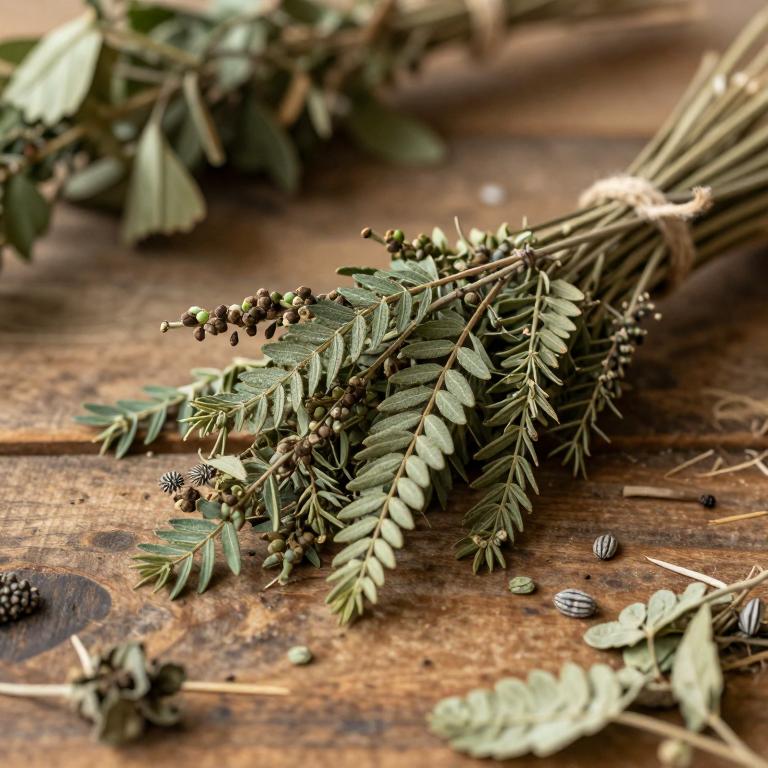
Dendrolobium lanceolatum is a distinctive plant species known for its unique botanical characteristics. While various parts of the plant may be studied, much of its traditional significance is derived from its specialized roots. These roots are often harvested and processed into specific preparations for various uses. Understanding the biological structure of these root systems is essential for studying the plant's overall profile. Consequently, the roots of Dendrolobium lanceolatum remain a primary focus for researchers and practitioners alike.
- Synonyms
- Lespedeza Lanceolata · Desmodium Dunnii
- Common names
- Not available
- Family
- Fabaceae
- Distribution
- Southern America
- Plant Parts
- Root
Classification
Common Names
Dendrolobium lanceolatum is a unique botanical species known by several distinct regional names. In Thailand, this plant is widely recognized by its common local name, แกลบหนู. Meanwhile, in Chinese-speaking regions, it is referred to as 单节假木豆. These diverse naming conventions reflect the plant's widespread presence across different cultural landscapes. Understanding these various identities helps enthusiasts and researchers identify the species more easily across borders.
Sources: Catalogue of Life (COL)
Synonyms
Dendrolobium lanceolatum is a botanical species that is frequently identified through various taxonomic classifications. In many scientific records, this plant is listed under the synonym Desmodium dunnii. It is also recognized by the alternative name Lespedeza lanceolata within certain botanical databases. Understanding these overlapping names is essential for researchers studying its specific lineage and characteristics. Navigating these synonymous relationships ensures accurate identification throughout different studies of the species.
Sources: The World Checklist of Vascular Plants (WCVP)
Taxonomy
Dendrolobium lanceolatum is a unique botanical specimen belonging to the vast kingdom Plantae. Within this expansive group, it is classified under the class Equisetopsida. The plant is further defined by its membership in the order Fabales, which helps scientists understand its evolutionary lineage. It specifically falls under the family Fabaceae, a group known for its diverse and significant members. Ultimately, this species is identified by its distinct placement within the genus Dendrolobium.
| Rank | Classification |
|---|---|
| Kingdom | Plantae |
| Phylum | Streptophyta |
| Class | Equisetopsida |
| Subclass | Magnoliidae |
| Order | Fabales |
| Family | Fabaceae |
| Genus | Dendrolobium |
Sources: The World Checklist of Vascular Plants (WCVP)
Distribution
Geographic Regions
Dendrolobium lanceolatum exhibits a broad geographical range that spans both temperate and tropical regions of Asia. Within the temperate zones, this species can be found across various parts of China, including the specific landscape of Hainan. Its presence extends into the tropical climates of Indo-China, where it flourishes in the diverse environments of Cambodia and Laos. Additionally, the plant is well-established within the tropical territories of Thailand. This wide distribution highlights the botanical versatility of the species across different Asian ecosystems.
Sources: The World Checklist of Vascular Plants (WCVP)
Identification
Biological Activities
Compounds
Conditions
Preparations
Dendrolobium lanceolatum is prepared as roots for the isolation of various bioactive chemical compounds. Researchers extracted new prenylflavonoids and a rare dibenzocycloheptene derivative specifically from these root structures. The chemical constituents derived from the roots, such as compounds 1-3, demonstrated significant antimalarial activity. Furthermore, the substances obtained from the root preparations exhibited moderate antimycobacterial activity. These root-derived compounds also showed varying levels of cytotoxicity against several cancer cell lines.
Parts used
Dendrolobium lanceolatum serves as a significant source of bioactive chemical compounds found within its root system. Recent research has successfully isolated several new prenylflavonoids and a rare dibenzocycloheptene derivative from these specific plant parts. These extracted substances have demonstrated promising antimalarial activity, making them subjects of great medicinal interest. Furthermore, the compounds exhibit moderate antimycobacterial properties and significant cytotoxicity against various cancer cell lines. Such findings highlight the therapeutic potential inherent in the chemical profile of the plant's roots.