Noded Dendrobium
Dendrobium nodosum · Accepted scientific name
Scientific literature: Very Sparse (3 studies) · ★☆☆☆☆
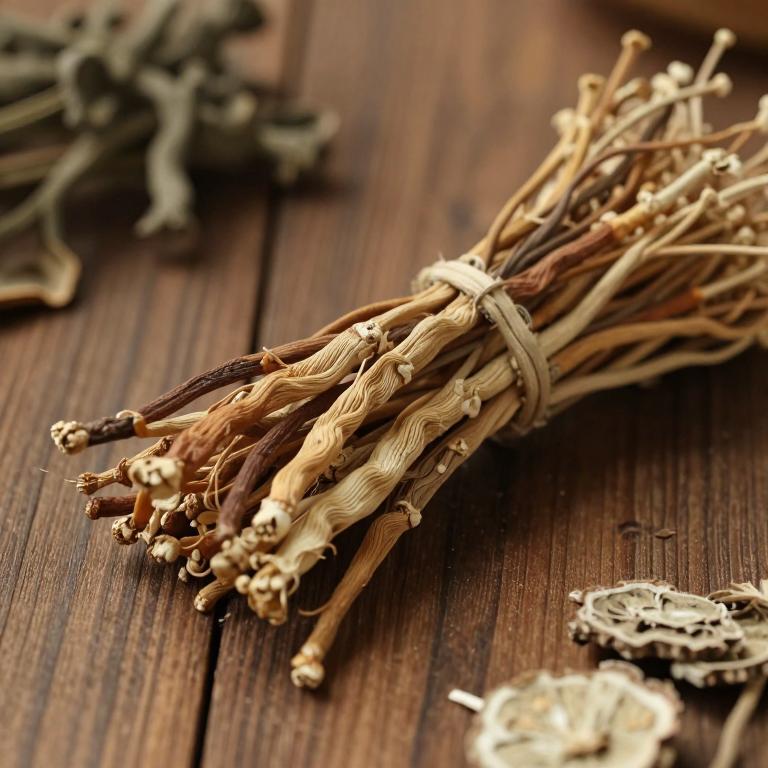
Nodose Dendrobium, scientifically known as Dendrobium nodosum, is a resilient epiphytic orchid prized in traditional medicine. Native to tropical regions, it is valued for its diverse bioactive compounds. Practitioners utilize its extracts to support respiratory health, reduce inflammation, and promote overall vitality, making it a significant botanical treasure.
- Family
- Orchidaceae
- Native range
- Asia-Tropical
- Parts used
- Not available
- Common names
- Not available
- Scientific synonyms
- Flickingeria Nodosa · Desmotrichum Nodosum
Names and Synonyms
Scientific Names
Accepted name
Dendrobium nodosumSynonyms
- Flickingeria nodosa
- Desmotrichum nodosum
Sources: Wikidata
Taxonomical Classification
This plant belongs to the kingdom Plantae and is classified under the phylum Streptophyta and class Equisetopsida. Within the subclass Magnoliidae and order Asparagales, it is a member of the Orchidaceae family. Specifically, its taxonomic identity is defined by its placement in the genus Dendrobium, where it is known as Dendrobium nodosum.
| Rank | Classification |
|---|---|
| Kingdom | Plantae |
| Phylum | Streptophyta |
| Class | Equisetopsida |
| Subclass | Magnoliidae |
| Order | Asparagales |
| Family | Orchidaceae |
| Genus | Dendrobium |
Sources: The World Checklist of Vascular Plants (WCVP)
Distribution
This plant is a species of orchid that exhibits a very specific geographical range. Within the vast expanse of the Indian Subcontinent, its presence is notably localized. Specifically, its natural habitat is found within the borders of India. This limited distribution suggests that it thrives under particular environmental conditions unique to the region. Consequently, researchers focusing on this species primarily direct their botanical studies toward the Indian landscape.
| Region | Area |
|---|---|
| Indian Subcontinent | India |
Sources: The World Checklist of Vascular Plants (WCVP)
Botanical Identification
Morphology
The morphology of Dendrobium nodosum is characterized by its specialized growth habit as an obligatory epiphyte, meaning it relies on host trees for physical support while remaining biologically independent. It functions as a self-supporting climber, utilizing its structure to ascend and anchor itself within its arboreal habitat without being a parasite, as it remains an independent organism that does not derive nutrients from its host. Its vegetative structure typically features pseudobulbs and specialized aerial roots designed for attachment and moisture absorption in its canopy environment.
- Climber :
- self-supporting
- Epiphyte :
- obligatory
- Parasite :
- independent
Sources: Global Inventory of Floras and Traits (GIFT)
Activities
Dendrobium nodosum has 3 reported activities identified across 0 scientific publications and several other databases. The most consistently reported activities include Antibacterial, Antifungal, Antimicrobial.
| Activity | Supporting sources | Consensus |
|---|---|---|
| Antibacterial | 1 supporting sources | ★☆☆☆☆ |
| Antifungal | 1 supporting sources | ★☆☆☆☆ |
| Antimicrobial | 1 supporting sources | ★☆☆☆☆ |
Antibacterial
- Pakistan journal of biological sciences : PJBS
Antifungal
- Pakistan journal of biological sciences : PJBS
Antimicrobial
- Pakistan journal of biological sciences : PJBS