Delphinium scabriflorum
Delphinium scabriflorum · Accepted scientific name
Scientific literature: Very Sparse (7 studies) · ★☆☆☆☆
Delphinium scabriflorum, scientifically known as Delphinium scabriflorum, is a striking perennial herb recognized for its unique floral structure. Primarily found in specialized alpine habitats, this plant holds significant ethnobotanical interest. While used in traditional medicine, its potent chemical constituents require careful handling due to their high toxicity levels.
- Family
- Ranunculaceae
- Native range
- Asia-Tropical
- Parts used
- Root
- Common names
- Not available
- Scientific synonyms
- Delphinium Altissimum
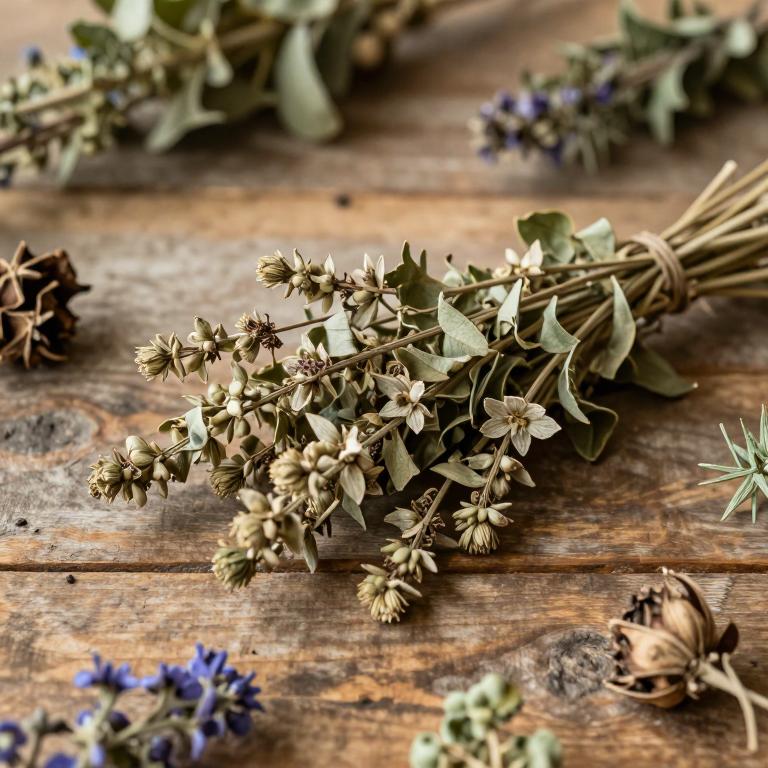
Names and Synonyms
Scientific Names
Accepted name
Delphinium scabriflorumSynonyms
- Delphinium altissimum
Sources: Wikidata
Taxonomical Classification
This plant belongs to the kingdom Plantae and the phylum Streptophyta, falling under the class Equisetopsida and subclass Magnoliidae. Within the order Ranunculales, it is classified under the family Ranunculaceae. Finally, it is identified by the genus Delphinium.
| Rank | Classification |
|---|---|
| Kingdom | Plantae |
| Phylum | Streptophyta |
| Class | Equisetopsida |
| Subclass | Magnoliidae |
| Order | Ranunculales |
| Family | Ranunculaceae |
| Genus | Delphinium |
Sources: The World Checklist of Vascular Plants (WCVP)
Distribution
This plant exhibits a specific geographical distribution concentrated within the Asian continent. It can be found across various regions of the Indian Subcontinent, including the state of Assam. Furthermore, its range extends into the high-altitude terrains of the East Himalaya and throughout Nepal. In addition to these Indian territories, the species is also distributed within the Indo-China region. Specifically, its presence is documented within the borders of Myanmar.
| Region | Area |
|---|---|
| Indian Subcontinent | Assam |
| Indian Subcontinent | East Himalaya |
| Indian Subcontinent | Nepal |
| Indo-China | Myanmar |
Sources: The World Checklist of Vascular Plants (WCVP)
Botanical Identification
Ecology
The ecology of Delphinium scabriflorum is strictly defined by its preference for high-altitude montane environments, where it thrives within a specific altitudinal band. This species is primarily found in alpine or subalpine zones, occupying an elevational range that begins at a minimum of 2100 m AMSL and extends up to a maximum of 3200 m AMSL. Within this vertical distribution, the plant is adapted to the unique environmental pressures of high-elevation ecosystems, including lower atmospheric pressures, increased ultraviolet radiation exposure, and more pronounced temperature fluctuations. Its presence within this specific 1100-meter elevational gradient suggests a specialized niche requirement related to the moisture levels and soil compositions characteristic of these high-mountain habitats.
- Elevational range max:
- 3200 m AMSL
- Elevational range min:
- 2100 m AMSL
Morphology
The morphology of Delphinium scabriflorum is characterized by a growth form classified as a herb, featuring non-woody stems that lack significant lignification. This plant functions as a self-supporting climber, utilizing its structure to ascend without requiring external hosts, though it maintains a terrestrial existence rather than acting as an epiphyte.
- Climber :
- self-supporting
- Epiphyte :
- terrestrial
- Growth form :
- herb
- Woodiness :
- non-woody
Sources: Global Inventory of Floras and Traits (GIFT)
Plant Parts
Delphinium scabriflorum has 1 reported plant parts identified across 1 scientific publications and several other databases that are studied for medicinal purposes. The most consistently reported plant part include root.
| Plant part | Supporting sources | Consensus |
|---|---|---|
| Root | 1 supporting sources | ★☆☆☆☆ |
Root
- Journal of natural products
Chemicals
Delphinium scabriflorum has 6 reported phytochemicals identified across 1 scientific publications and several other databases. The most consistently reported chemicals include 14-Deacetyl-14-isobutyrylajadine, 14-Deacetylnudicauline, Delbine, Delcosine, Delectinine.
| Chemical | Supporting sources | Consensus |
|---|---|---|
| 14-Deacetyl-14-isobutyrylajadine | 1 supporting sources | ★☆☆☆☆ |
| 14-Deacetylnudicauline | 1 supporting sources | ★☆☆☆☆ |
| Delbine | 1 supporting sources | ★☆☆☆☆ |
| Delcosine | 1 supporting sources | ★☆☆☆☆ |
| Delectinine | 1 supporting sources | ★☆☆☆☆ |
| Geyerline | 1 supporting sources | ★☆☆☆☆ |
14-Deacetyl-14-isobutyrylajadine
- Journal of natural products
14-Deacetylnudicauline
- Journal of natural products
Delbine
- Journal of natural products
Delcosine
- Journal of natural products
Delectinine
- Journal of natural products
Geyerline
- Journal of natural products
Preparations
Delphinium scabriflorum has 1 reported preparations identified across 1 scientific publications and several other databases. The most consistently reported preparations include CHCl(3) extracts.
| Preparation | Supporting sources | Consensus |
|---|---|---|
| Chcl(3) extracts | 1 supporting sources | ★☆☆☆☆ |
Chcl(3) extracts
- Journal of natural products