Delphinium oliverianum
Delphinium oliverianum · Accepted scientific name
Scientific literature: Very Sparse (0 studies) · ★☆☆☆☆
Delphinium oliverianum is a unique botanical species known for its striking floral displays and distinct structural characteristics. While it thrives in specific ecological niches, recent discussions have emerged regarding its relationship to environmental health. Some researchers are exploring how certain plant-based environments might interact with rare biological threats, such as Acanthamoeba infections. Understanding these complex interactions is essential for both botanical study and public health safety. Consequently, studying this plant provides valuable insights into the intersection of nature and microbial dynamics.
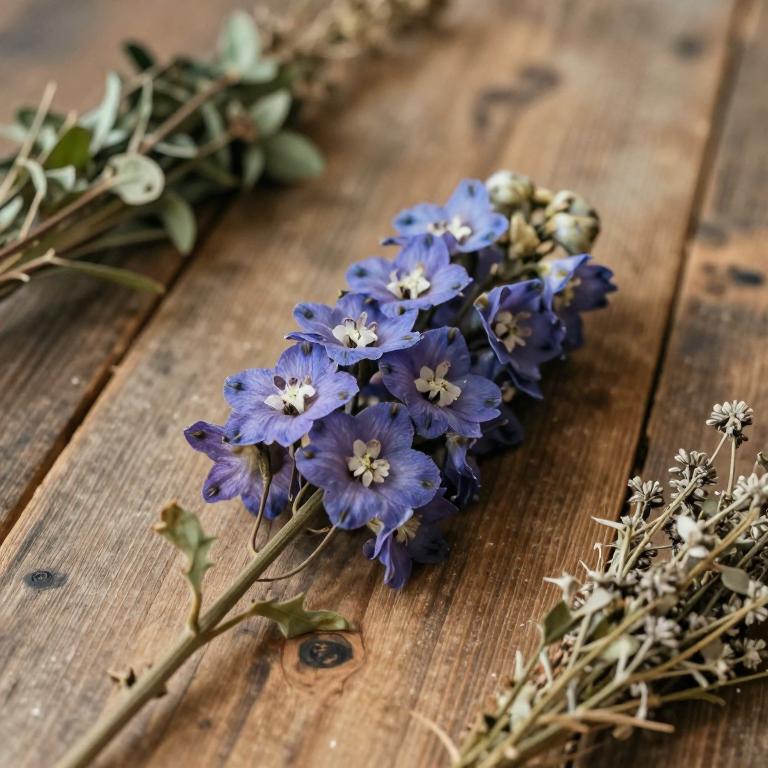
- Synonyms
- Consolida Oliveriana · Delphinium Oliverianum Var. Cappadocicum · 1 more
- Common names
- Not available
- Family
- Ranunculaceae
- Distribution
- Not available
- Plant Parts
- Not available
Classification
Synonyms
Delphinium oliverianum is a complex species known to be associated with several different botanical names. It is officially recognized under the synonym Consolida oliveriana in various taxonomic records. The plant is also frequently referred to by the names Delphinium cappadocicum and Delphinium hispidum. Furthermore, the classification includes the specific variety known as Delphinium oliverianum var. cappadocicum. Understanding these shifting synonyms is essential for researchers tracking the botanical history of this species.
Sources: The World Checklist of Vascular Plants (WCVP)
Taxonomy
Delphinium oliverianum is a distinctive botanical specimen belonging to the kingdom Plantae. Within this vast biological realm, it is classified under the class Equisetopsida. The plant further belongs to the order Ranunculales, showcasing its specific evolutionary lineage. It is a proud member of the family Ranunculaceae, a group known for its diverse floral structures. Finally, its taxonomic identity is solidified by its placement within the genus Delphinium.
| Rank | Classification |
|---|---|
| Kingdom | Plantae |
| Phylum | Streptophyta |
| Class | Equisetopsida |
| Subclass | Magnoliidae |
| Order | Ranunculales |
| Family | Ranunculaceae |
| Genus | Delphinium |
Sources: The World Checklist of Vascular Plants (WCVP)
Distribution
Geographic Regions
Delphinium oliverianum is a plant species primarily found throughout the Asia-Temperate region. Its natural distribution is concentrated within Western Asia, stretching across diverse landscapes. Specifically, it can be located in the territories of Iran and Iraq. The plant also thrives in the areas encompassing Lebanon and Syria. Furthermore, its presence extends into the mountainous and varied terrains of Türkiye.
Sources: The World Checklist of Vascular Plants (WCVP)
Identification
Biological Activities
Compounds
Conditions
Delphinium oliverianum, also known as Consolida oliveriana, contains flavonoid glycosides that demonstrate significant anti-Acanthamoeba activity. Research indicates that specific flavonoids isolated from this plant can effectively target both the trophozoite and cyst stages of the parasite. Specifically, certain compounds showed higher trophozoital activity and better selectivity indexes than the standard reference drug, chlorhexidine digluconate. One identified flavonoid even achieved 100% cysticidal activity at a concentration of 50 μm. These findings suggest that components of the plant could serve as a foundation for developing new therapeutic treatments against serious Acanthamoeba infections.