Delphinium nordhagenii
Delphinium nordhagenii · Accepted scientific name
Scientific literature: Very Sparse (0 studies) · ★☆☆☆☆
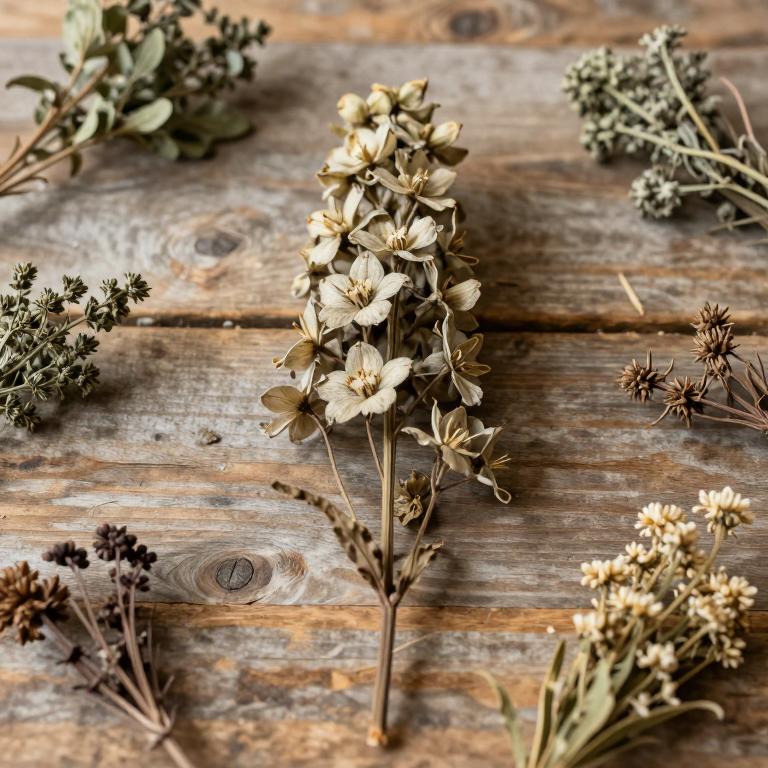
Delphinium nordhagenii is a striking perennial known for its tall, dramatic spires of vibrant flowers. While celebrated for its ornamental beauty in gardens, this species possesses a complex chemical profile. It contains potent alkaloids such as lycoctonine, which serve as natural defense mechanisms for the plant. Research has also identified specific compounds within the species known as nordhagenine A, nordhagenine B, and nordhagenine C. Understanding these chemical constituents provides valuable insight into the biological makeup of this impressive plant.
- Synonyms
- Delphinium Brunonianum Var. Nordhagenii
- Common names
- Not available
- Family
- Ranunculaceae
- Distribution
- Not available
- Plant Parts
- Not available
Classification
Common Names
Delphinium nordhagenii is a stunning perennial commonly known by the name 叠裂翠雀花. This striking plant is celebrated for its tall, elegant spikes that bloom with breathtaking intensity. Gardeners frequently incorporate it into landscapes to provide dramatic vertical interest and vibrant color. Its unique petal structure and deep hues make it a standout feature in any floral arrangement. Growing these beautiful specimens allows enthusiasts to enjoy a classic touch of botanical elegance in their own backyards.
Sources: Catalogue of Life (COL)
Synonyms
Delphinium nordhagenii is a striking perennial often recognized by its tall, elegant spikes of colorful blooms. In botanical literature, this species is also identified by the synonym Delphinium brunonianum var. nordhagenii. This taxonomic connection highlights the plant's historical classification within a broader group of delphiniums. Understanding these naming variations ensures that gardeners and researchers can accurately identify the specimen in various scientific records. Consequently, recognizing both names is essential for anyone studying the complex relationships within this genus.
Sources: The World Checklist of Vascular Plants (WCVP)
Taxonomy
Delphinium nordhagenii is a remarkable specimen belonging to the vast kingdom Plantae. Within this expansive biological group, it is specifically classified under the class Equisetopsida. The plant is a distinguished member of the order Ranunculales, which helps define its evolutionary lineage. It further belongs to the family Ranunculaceae, a group known for its diverse floral characteristics. Ultimately, this species is identified by its specific genus, Delphinium, marking its unique place in the natural world.
| Rank | Classification |
|---|---|
| Kingdom | Plantae |
| Phylum | Streptophyta |
| Class | Equisetopsida |
| Subclass | Magnoliidae |
| Order | Ranunculales |
| Family | Ranunculaceae |
| Genus | Delphinium |
Sources: The World Checklist of Vascular Plants (WCVP)
Distribution
Geographic Regions
Delphinium nordhagenii exhibits a diverse geographical range that spans across several distinct regions of Asia. Within the temperate zones, this species can be found growing in the high-altitude terrains of China, specifically in Qinghai and Tibet. Moving toward more tropical influences, the plant also makes its presence known across the Indian Subcontinent. In these warmer areas, it is notably distributed throughout Pakistan and the West Himalaya. This broad distribution highlights the remarkable adaptability of the species to varying Asian climates.
Sources: The World Checklist of Vascular Plants (WCVP)
Identification
Biological Activities
Compounds
Delphinium nordhagenii serves as a significant source of specialized norditerpenoid alkaloids. Research has successfully isolated the known alkaloid lycoctonine from the aerial parts of this plant. In addition to this established compound, scientists have identified three previously unknown substances. These new chemical constituents have been classified as nordhagenine A, nordhagenine B, and nordhagenine C. Through advanced methods like single-crystal X-ray diffraction, the precise structures of these unique alkaloids have been effectively deduced.