Delphinium majus
Delphinium majus · Accepted scientific name
Scientific literature: Very Sparse (0 studies) · ★☆☆☆☆
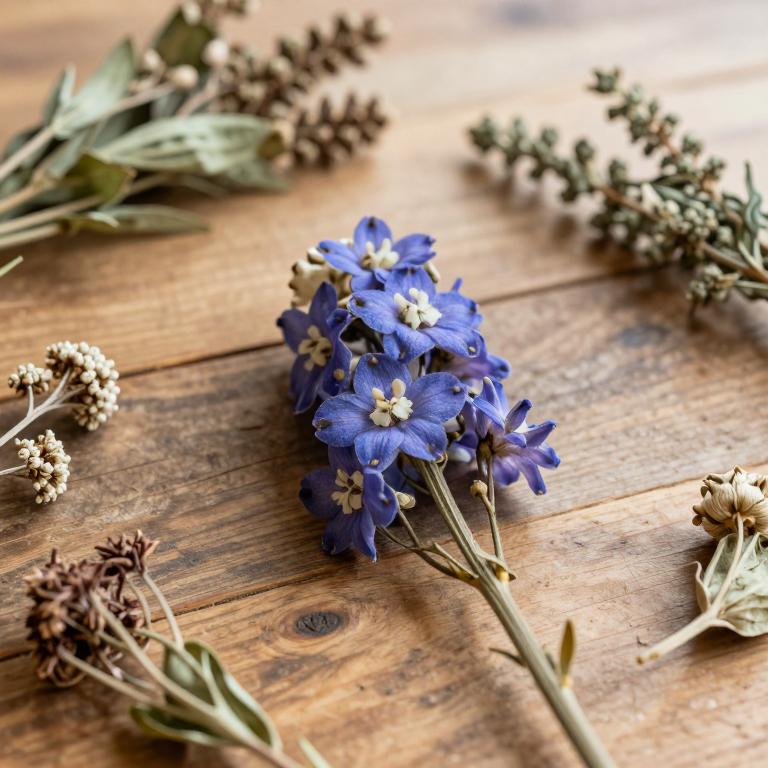
Delphinium majus, commonly known as larkspur, is a striking flowering plant celebrated for its tall, spired blossoms. In the realm of traditional botanical applications, this species is often utilized in the form of whole herbs to preserve its natural essence. Practitioners value the integrity of the complete plant structure when preparing specific herbal formulations. While its aesthetic beauty is undeniable, it is essential to handle the plant with care due to its potent biological properties. Understanding the proper use of these whole herbs is vital for anyone exploring the plant's historical significance.
- Synonyms
- Delphinium Grandiflorum Var. Majus
- Common names
- Not available
- Family
- Ranunculaceae
- Distribution
- Not available
- Plant Parts
- Not available
Classification
Common Names
Delphinium majus is a striking perennial that is widely recognized by its elegant, spire-like blooms. In certain regions, this beautiful plant is known by the common name 金沙翠雀花. Its vibrant colors and architectural structure make it a favorite among gardeners seeking to add drama to their landscapes. Because of its unique appearance, it often serves as a focal point in both formal and cottage-style gardens. Understanding its cultural names helps enthusiasts connect more deeply with this captivating botanical species.
Sources: Catalogue of Life (COL)
Synonyms
Delphinium majus is a striking perennial often celebrated for its tall, elegant spikes of flowers. In botanical literature, you may encounter this species listed under its synonym, Delphinium grandiflorum var. majus. Understanding these overlapping names is essential for gardeners and researchers looking to identify the plant accurately. Despite the variation in nomenclature, the core characteristics of this beautiful cultivar remain consistent. Recognizing these taxonomic relationships ensures that enthusiasts can find the exact variety they desire for their landscapes.
Sources: The World Checklist of Vascular Plants (WCVP)
Taxonomy
Delphinium majus belongs to the vast kingdom Plantae, representing a diverse group of multicellular organisms. Within this kingdom, it is classified under the class Equisetopsida and the order Ranunculales. This botanical lineage continues as the plant is placed into the family Ranunculaceae. Furthermore, it is identified by its specific genus, Delphinium, which highlights its unique characteristics. Through these hierarchical relationships, scientists can accurately map the biological identity of this striking species.
| Rank | Classification |
|---|---|
| Kingdom | Plantae |
| Phylum | Streptophyta |
| Class | Equisetopsida |
| Subclass | Magnoliidae |
| Order | Ranunculales |
| Family | Ranunculaceae |
| Genus | Delphinium |
Sources: The World Checklist of Vascular Plants (WCVP)
Distribution
Geographic Regions
Delphinium majus is a notable species primarily distributed throughout the Asia-temperate regions. Within this vast geographic range, it finds a particularly strong presence in various parts of China. More specifically, the plant is frequently documented across China South-Central, thriving in its characteristic local environments. Understanding these specific habitat preferences helps botanists map the natural reach of the species. This focused distribution highlights the unique ecological niches that the plant occupies within the continent.
Sources: The World Checklist of Vascular Plants (WCVP)
Identification
Morphology
Delphinium majus grows in a classic herbaceous form, adding texture and color to any garden landscape. As a self-supporting plant, it maintains its upright structure without the need for external assistance or climbing supports.
Sources: Global Inventory of Floras and Traits (GIFT)
Biological Activities
Compounds
Conditions
Preparations
Delphinium majus is prepared as whole herbs to facilitate the isolation of specific chemical compounds. Researchers utilized these whole herbs to extract three new C(19)-diterpenoid alkaloids known as majusines A-C. Additionally, the use of the whole plant allowed for the discovery of six new C(20)-diterpenoid alkaloids, including majusimines A-D and majusidine A and B. This preparation method proved essential for identifying these nine unique structures through spectroscopic data interpretation. By employing the entire herb, scientists were also able to isolate fifteen additional known compounds.