Delphinium elatum
Delphinium elatum · Accepted scientific name
Scientific literature: Very Sparse (0 studies) · ★☆☆☆☆
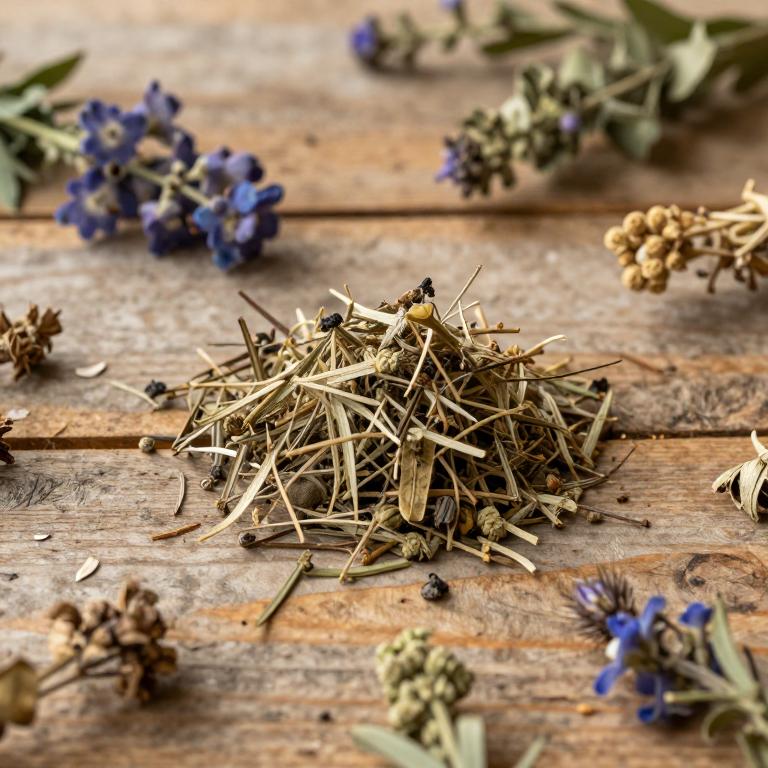
Delphinium elatum is a striking perennial known for its towering spikes of vibrant, bell-shaped flowers. This species commands attention in any garden with its impressive height and dramatic architectural presence. While the blooms provide immediate visual splendor, the plant also produces numerous small seeds as part of its reproductive cycle. These seeds serve as the primary means for the plant to spread and establish new generations in suitable habitats. Understanding its lifecycle, from flower to seed, is essential for anyone looking to cultivate this magnificent garden staple.
- Synonyms
- Delphinastrum Elatum
- Common names
- Not available
- Family
- Ranunculaceae
- Distribution
- Southern America
- Plant Parts
- Seed
Classification
Common Names
Delphinium elatum is a striking botanical species known by several distinct common names depending on the region. It is frequently referred to as the Alpine Delphinium or the bee larkspur in various gardening circles. In some European contexts, you may encounter it called Hoher Rittersporn or Dauphinelle elevee. The plant is also sometimes identified by the name Speronella elevata. Understanding these various aliases can help gardeners identify this beautiful plant across different linguistic and cultural landscapes.
Sources: Catalogue of Life (COL)
Synonyms
Delphinium elatum is a striking plant known for its impressive floral displays and elegant structure. Botanists and gardeners may occasionally encounter this species under its alternative taxonomic name, Delphinastrum elatum. While these two names refer to the same organism, the synonym provides additional context for scientific classification. Understanding these linguistic variations ensures that enthusiasts can accurately identify the plant in various literature. Recognizing both terms helps bridge the gap between historical records and modern botanical studies.
Sources: The World Checklist of Vascular Plants (WCVP)
Taxonomy
Delphinium elatum is a fascinating specimen that belongs to the vast kingdom Plantae. Within this biological realm, it is classified under the class Equisetopsida. Its evolutionary lineage continues through the order Ranunculales, which defines its structural characteristics. Furthermore, this plant is a proud member of the Ranunculaceae family. Ultimately, it finds its specific place within the diverse genus Delphinium.
| Rank | Classification |
|---|---|
| Kingdom | Plantae |
| Phylum | Streptophyta |
| Class | Equisetopsida |
| Subclass | Magnoliidae |
| Order | Ranunculales |
| Family | Ranunculaceae |
| Genus | Delphinium |
Sources: The World Checklist of Vascular Plants (WCVP)
Distribution
Geographic Regions
Delphinium elatum is a resilient species with a wide distribution across the Asia-Temperate region. It can be found flourishing throughout the diverse landscapes of Central Asia, specifically within the nations of Kazakhstan and Kyrgyzstan. The plant also extends its reach into the Xinjiang province of China and across the vast terrains of Mongolia. Furthermore, its natural habitat includes the Altay region of Siberia, showcasing its adaptability to different climates. These varied locations highlight the broad geographical footprint of this striking botanical species.
Sources: The World Checklist of Vascular Plants (WCVP)
Identification
Morphology
Delphinium elatum is a distinguished herb that maintains a sturdy, self-supporting growth form. This plant exhibits significant versatility in its stature, with heights ranging from a diminutive 0.2 m to a more substantial 2 m. While some specimens may stay quite small, many individuals reach a more impressive height of at least 1.25 m. Such varied dimensions allow it to adapt to diverse garden settings effectively. Ultimately, its structural integrity and impressive scale make it a striking addition to any landscape.
Sources: Global Inventory of Floras and Traits (GIFT)
Biological Activities
Compounds
Conditions
Delphinium elatum serves as a source of diterpenoid alkaloids that have been tested for their inhibitory effects on A172 human malignant glioma cells. Researchers examined the cytotoxicity of several alkaloids derived specifically from the seeds of this plant. While many of the natural constituents showed only very weak activity against the glioma cells, certain derivatives demonstrated more significant results. Specifically, the study investigated how these seed-derived alkaloids and their semisynthetic versions impact the growth of the malignant cell line. This research highlights the potential of compounds from Delphinium elatum in treating specific human cancer cells.
Preparations
Parts used
Delphinium elatum serves as a significant source of diterpenoid alkaloids used in pharmacological research. In recent studies, these bioactive compounds were extracted specifically from the seeds of the plant to test their medicinal potential. Researchers examined how these seed-derived alkaloids interact with human malignant glioma cells to evaluate their cytotoxic effects. The investigation compared these natural extracts against various semisynthetic derivatives to determine their inhibitory strength. Ultimately, this exploration highlights the importance of the Delphinium elatum seed in the development of potent anti-cancer agents.