Delphinium davisii
Delphinium davisii · Accepted scientific name
Scientific literature: Very Sparse (8 studies) · ★☆☆☆☆
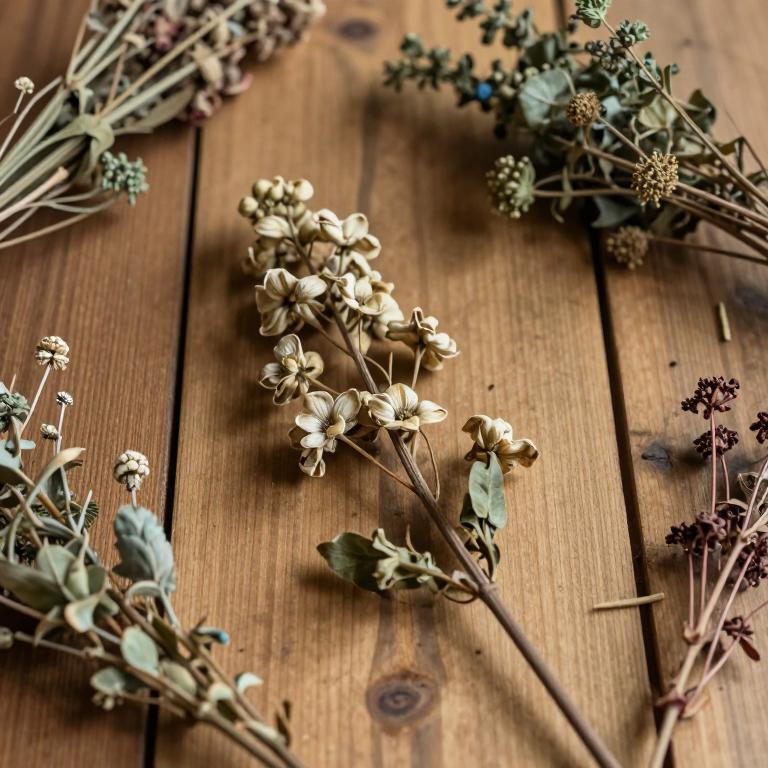
Delphinium davisii, scientifically known as Delphinium davisii, is a rare, perennial wildflower native to the mountainous regions of California. Primarily recognized for its striking blue blossoms, this specialized plant holds significant botanical interest. While primarily ornamental, its unique ecological niche makes it a vital subject for conservation studies.
- Family
- Ranunculaceae
- Native range
- Asia-Temperate
- Parts used
- Not available
- Common names
- Not available
- Scientific synonyms
- Not available
Names and Synonyms
Scientific Names
Accepted name
Delphinium davisiiSources: Wikidata
Taxonomical Classification
This plant belongs to the kingdom Plantae and the phylum Streptophyta, falling under the class Equisetopsida and subclass Magnoliidae. Within the order Ranunculales, it is classified under the family Ranunculaceae. Finally, it is categorized under the genus Delphinium.
| Rank | Classification |
|---|---|
| Kingdom | Plantae |
| Phylum | Streptophyta |
| Class | Equisetopsida |
| Subclass | Magnoliidae |
| Order | Ranunculales |
| Family | Ranunculaceae |
| Genus | Delphinium |
Sources: The World Checklist of Vascular Plants (WCVP)
Distribution
This plant, known scientifically as Delphinium davisii, possesses a very specific and limited geographical range. Its natural occurrence is strictly confined to the region of Western Asia. Within this broad territory, it can be found growing specifically in Türkiye. Because its habitat is so localized, it is considered an endemic species to this particular area. Consequently, its distribution is defined by the unique environmental conditions found within the Turkish landscape.
| Region | Area |
|---|---|
| Western Asia | Türkiye |
Sources: The World Checklist of Vascular Plants (WCVP)
Chemicals
Delphinium davisii has 8 reported phytochemicals identified across 0 scientific publications and several other databases. The most consistently reported chemicals include 14-Acetylperegrine, 18-Benzoyldavisinol, 6-Deacetylperegrine, Davisinol, HETISINE.
| Chemical | Supporting sources | Consensus |
|---|---|---|
| 14-Acetylperegrine | 1 supporting sources | ★☆☆☆☆ |
| 18-Benzoyldavisinol | 1 supporting sources | ★☆☆☆☆ |
| 6-Deacetylperegrine | 1 supporting sources | ★☆☆☆☆ |
| Davisinol | 1 supporting sources | ★☆☆☆☆ |
| HETISINE | 1 supporting sources | ★☆☆☆☆ |
| Hetisinone | 1 supporting sources | ★☆☆☆☆ |
| Karakoline | 1 supporting sources | ★☆☆☆☆ |
| Kobusine | 1 supporting sources | ★☆☆☆☆ |
14-Acetylperegrine
- Journal of natural products
18-Benzoyldavisinol
- Journal of natural products
6-Deacetylperegrine
- Journal of natural products
Davisinol
- Journal of natural products
HETISINE
- Journal of natural products
Hetisinone
- Journal of natural products
Karakoline
- Journal of natural products
Kobusine
- Journal of natural products