Decalepis nervosa
Decalepis nervosa · Accepted scientific name
Scientific literature: Very Sparse (1 studies) · ★☆☆☆☆
Decalepis nervosa is a significant medicinal plant known for its diverse therapeutic potential in traditional medicine. Research indicates that the aqueous leaf extract of this species exhibits notable antidiabetic activities. The pharmacological efficacy of the plant is attributed to its rich chemical profile, which includes flavonoids, glycosides, and phenols. These bioactive compounds play a crucial role in managing metabolic conditions, specifically in regulating triglyceride levels. Consequently, the aqueous extract of its leaves serves as a promising natural resource for managing diabetes and associated lipid imbalances.
- Synonyms
- Brachylepis Nervosa · Baeolepis Nervosa
- Common names
- Not available
- Family
- Apocynaceae
- Distribution
- Asia-Temperate
- Plant Parts
- Leaf
Classification
Synonyms
Decalepis nervosa is a botanical species that is recognized under several different scientific names. In various taxonomic records, it is frequently identified by its synonym Baeolepis nervosa. Similarly, researchers may encounter this plant listed as Brachylepis nervosa depending on the botanical literature being consulted. These overlapping designations reflect the complex history of its classification within the plant kingdom. Understanding these synonyms is essential for ensuring accuracy when studying the species' unique characteristics.
Sources: The World Checklist of Vascular Plants (WCVP)
Taxonomy
Decalepis nervosa is a fascinating member of the kingdom Plantae that showcases the intricate complexity of biological classification. This plant is specifically categorized under the class Equisetopsida, placing it within a significant evolutionary group. Within this framework, it belongs to the order Gentianales, which connects it to a diverse array of related species. It further resides in the family Apocynaceae, a group often known for its distinct floral structures. Ultimately, its unique identity is defined by its placement within the genus Decalepis.
| Rank | Classification |
|---|---|
| Kingdom | Plantae |
| Phylum | Streptophyta |
| Class | Equisetopsida |
| Subclass | Magnoliidae |
| Order | Gentianales |
| Family | Apocynaceae |
| Genus | Decalepis |
Sources: The World Checklist of Vascular Plants (WCVP)
Distribution
Geographic Regions
Decalepis nervosa is a distinctive plant species primarily found within the tropical regions of Asia. Its natural distribution is most concentrated throughout the Indian Subcontinent, where it thrives in specific ecological niches. Within this vast geographic range, India serves as a major stronghold for the species' growth and survival. Understanding its habitat is essential for studying the biodiversity unique to these warm, humid climates. Consequently, the plant remains a significant component of the local flora across these interconnected landscapes.
Sources: The World Checklist of Vascular Plants (WCVP)
Identification
Biological Activities
Decalepis nervosa is an endangered medicinal plant that has demonstrated significant antidiabetic potential through recent scientific investigation. Studies using aqueous leaf extracts have confirmed that the plant contains vital phytochemicals, including glycosides, alkaloids, phenols, and flavonoids. When tested in rats with induced diabetes, the extract effectively reduced blood glucose levels in a dose-dependent manner. This therapeutic effect is likely linked to the presence of secondary metabolites, such as phenolic compounds, which assist in managing glucose load. Ultimately, the research suggests that the plant may aid diabetes management by enhancing insulin secretion and improving peripheral glucose utilization.
Compounds
Decalepis nervosa is an endangered medicinal plant that possesses a rich profile of bioactive secondary metabolites. Phytochemical screening and chemical testing have confirmed that the aqueous leaf extract contains essential compounds such as glycoside and flavonoids. Furthermore, the plant is a significant source of phenols, which are identified through thin layer chromatography and high performance liquid chromatography. These specific phytoconstituents are believed to play a crucial role in the plant's demonstrated antidiabetic properties. Ultimately, the presence of these chemical relationships helps explain how the extract effectively reduces blood glucose levels.
Conditions
Decalepis nervosa demonstrates significant antidiabetic potential by successfully treating Alloxan-induced diabetes in experimental models. The aqueous leaf extract effectively treats blood glucose levels through the presence of secondary metabolites like phenolic compounds. Additionally, the plant helps manage metabolic health by treating liver enzyme activity and reducing serum total cholesterol levels. During testing, the extract also works to treat oral glucose load, as evidenced by significantly lower results in glucose tolerance tests. These therapeutic effects appear to be dose-dependent and are likely driven by enhanced insulin secretion and peripheral glucose utilization.
Preparations
Decalepis nervosa is prepared as an aqueous leaf extract to evaluate its phytochemical composition and antidiabetic potential. This specific aqueous extract, referred to as AEDN, serves as the primary substance for testing therapeutic activities in diabetic rat models. The preparation process focuses on utilizing the plant's leaves to isolate key secondary metabolites like phenols and flavonoids. Through this aqueous extraction method, researchers can effectively study how the plant influences insulin secretion and glucose utilization. Consequently, the aqueous leaf extract of Decalepis nervosa is identified as a significant medium for exploring the plant's medicinal properties.
Parts used
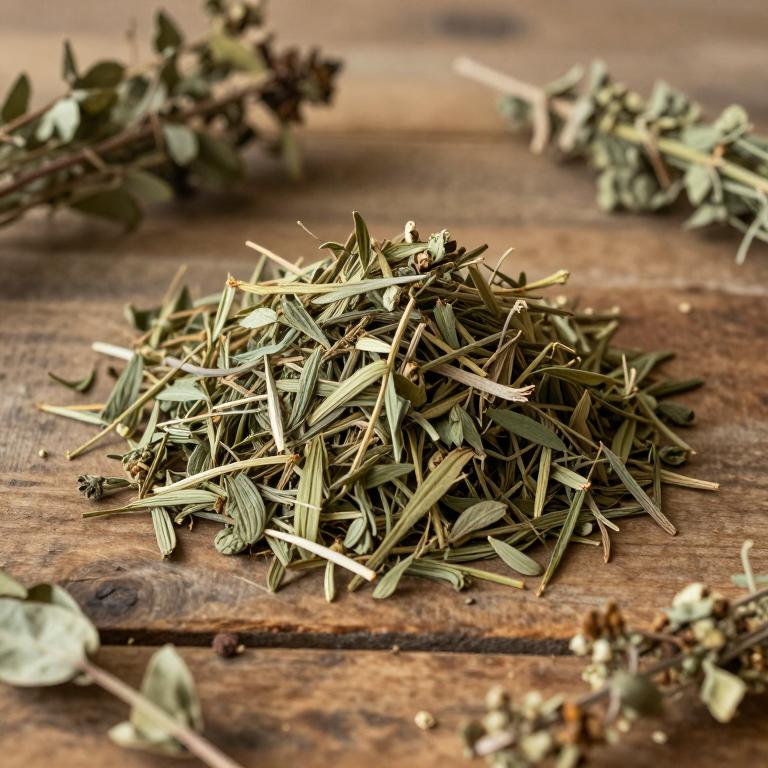
Decalepis nervosa is an endangered medicinal plant that holds significant therapeutic potential due to the bioactive compounds found within its leaf. Research indicates that an aqueous extract of these leaves contains essential phytoconstituents, including glycosides, alkaloids, phenols, and flavonoids. These secondary metabolites, particularly phenolic compounds, appear to play a crucial role in managing blood glucose levels. Studies conducted on diabetic rat models demonstrate that the leaf extract can effectively lower blood glucose and improve glucose tolerance. Ultimately, the leaf of Decalepis nervosa shows promising antidiabetic activity by enhancing peripheral glucose utilization and promoting insulin secretion.