Dasiphora glabra
Dasiphora glabra · Accepted scientific name
Scientific literature: Very Sparse (0 studies) · ★☆☆☆☆
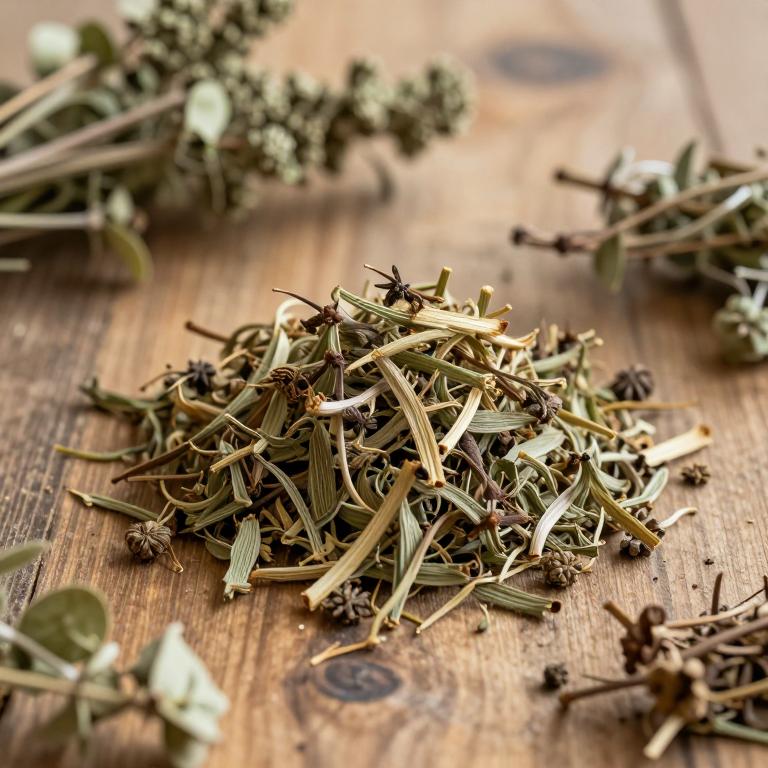
Dasiphora glabra is a resilient perennial shrub known for its ability to thrive in rocky, high-altitude environments. This plant is characterized by its distinctive foliage, which features fine, dissected leaves that add a delicate texture to the landscape. Its sturdy stems provide a strong structural base, allowing the plant to withstand harsh mountain winds and varying weather conditions. Often found in alpine regions, it serves as a vital component of its natural ecosystem. Understanding its physical structure, particularly the leaves and stems, is essential for identifying this hardy species in the wild.
- Synonyms
- Potentilla Fruticosa Var. Tangutica · Pentaphylloides Glabra · 6 more
- Common names
- Not available
- Family
- Rosaceae
- Distribution
- Not available
- Plant Parts
- Leaf · Stem
Classification
Synonyms
Dasiphora glabra is a versatile shrub that is known by several different botanical names throughout scientific literature. It is frequently identified by the synonym Pentaphylloides glabra, reflecting its complex taxonomic history. Depending on the specific variety or regional classification, it may also be referred to as Potentilla fruticosa f. ternata or Potentilla fruticosa var. mongolica. Furthermore, botanical records often list it under the names Potentilla fruticosa var. tangutica or simply Potentilla glabra. Understanding these various synonyms is essential for researchers seeking to accurately identify this plant across different studies.
Sources: The World Checklist of Vascular Plants (WCVP)
Taxonomy
Dasiphora glabra is a distinguished member of the kingdom Plantae. Within this vast biological realm, it belongs to the class Equisetopsida. The plant is further categorized under the order Rosales, showcasing its evolutionary lineage. It resides specifically within the genus Dasiphora, which defines its unique structural characteristics. Finally, its botanical identity is completed by its classification within the family Rosaceae.
| Rank | Classification |
|---|---|
| Kingdom | Plantae |
| Phylum | Streptophyta |
| Class | Equisetopsida |
| Subclass | Magnoliidae |
| Order | Rosales |
| Family | Rosaceae |
| Genus | Dasiphora |
Sources: The World Checklist of Vascular Plants (WCVP)
Distribution
Geographic Regions
Dasiphora glabra is a plant species with a wide geographical presence throughout the Asia-Temperate region. Its distribution is notably concentrated within various parts of China, spanning from the north-central territories to the southeast. Additionally, the plant can be found flourishing across the central southern landscapes of the country. Beyond these central regions, its range extends into the unique environmental conditions of Inner Mongolia. This widespread coverage highlights the plant's ability to adapt to diverse habitats across the Asian continent.
Sources: The World Checklist of Vascular Plants (WCVP)
Identification
Morphology
Dasiphora glabra is a versatile herb characterized by its self-supporting growth form. This resilient plant exhibits significant variability in size depending on its specific environmental conditions. While it can grow as small as 0.3 meters, it frequently reaches a more substantial height of 1.65 meters. In certain optimal habitats, the plant may even expand to reach a maximum height of 3 meters. This range of dimensions makes it a dynamic addition to diverse landscapes.
Sources: Global Inventory of Floras and Traits (GIFT)
Biological Activities
Compounds
Conditions
Preparations
Parts used
Dasiphora glabra, also known as Potentilla glabra in Mongolian medicine, possesses distinct morphological features that are essential for its proper identification. Detailed macroscopic and microscopic analyses reveal that the plant is characterized by both its stem and leaf structures. Investigations into the stem highlight a cork layer sandwiched with a sclerenchyma ring, alongside specific fiber compositions within the xylem. The leaf characteristics are equally distinct, featuring beaded thickened anticlinal walls in the epidermal cells and various transverse section types. Together, these anatomical components of the leaves and stems provide the necessary evidence for rigorous quality control.