winter daphne
Daphne · Accepted scientific name
Scientific literature: Very Sparse (13 studies) · ★☆☆☆☆
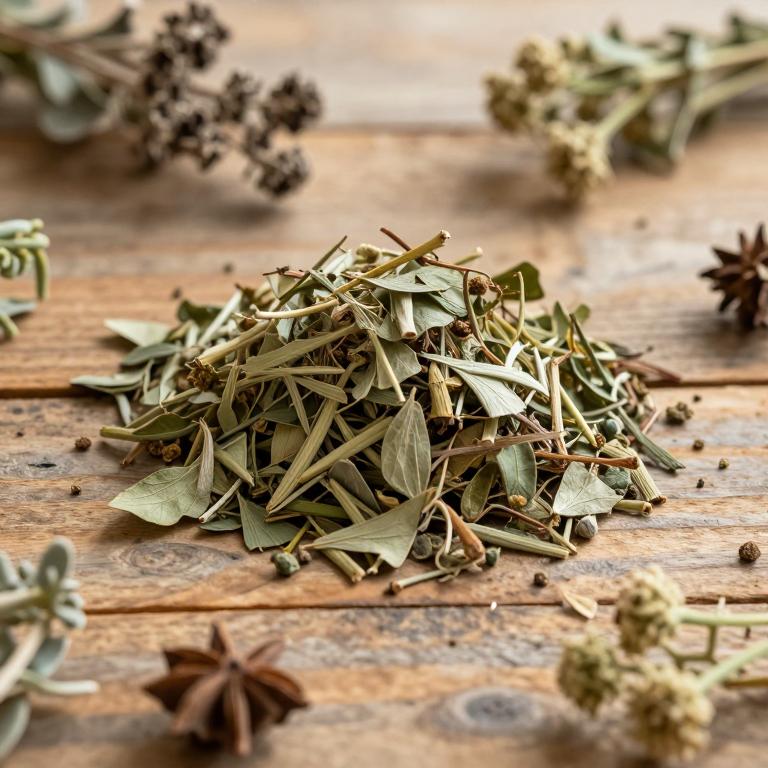
Winter Daphne, scientifically known as Daphne, is a versatile evergreen shrub celebrated for its intoxicatingly sweet fragrance. Often blooming in late winter, its fragrant blossoms provide early color to gardens. While prized for beauty, it is important to handle carefully, as many parts of the plant are toxic.
Names and Synonyms
Common Names
- laurel
- mezereum
- Daphnes
- Mezereons
- Spurge-laurels
Scientific Names
Accepted name
DaphneSynonyms
- Daphmanthus
- Mezereum
- Mistralia
- Tumelaia
- Laureola
- Nemoctis
- Pentathymelaea
Regional and Traditional Names
German:
- Seidelbast
- Seidelbast
French:
- Daphné
- Daphnés
Sources: Wikidata, Catalogue of Life
Taxonomical Classification
This plant belongs to the kingdom Plantae and the phylum Streptophyta, falling under the class Equisetopsida and subclass Magnoliidae. Within the order Malvales, it is classified under the family Thymelaeaceae and is specifically identified by the genus Daphne.
| Rank | Classification |
|---|---|
| Kingdom | Plantae |
| Phylum | Streptophyta |
| Class | Equisetopsida |
| Subclass | Magnoliidae |
| Order | Malvales |
| Family | Thymelaeaceae |
| Genus | Daphne |
Sources: The World Checklist of Vascular Plants (WCVP)
Distribution
This plant exhibits a specific distribution pattern throughout the regions of Northern Europe. It can be found growing across the varied landscapes of Denmark and Finland. Additionally, its presence extends into the coastal and inland areas of Great Britain. The species is also documented within the northern territories of Norway. Finally, its geographical range includes the expansive regions of Sweden.
| Region | Area |
|---|---|
| Northern Europe | Denmark |
| Northern Europe | Finland |
| Northern Europe | Great Britain |
| Northern Europe | Norway |
| Northern Europe | Sweden |
| Middle Europe | Austria |
| Middle Europe | Belgium |
| Middle Europe | Czechia-Slovakia |
| Middle Europe | Germany |
| Middle Europe | Hungary |
Sources: The World Checklist of Vascular Plants (WCVP)
Chemicals
Daphne has 6 reported phytochemicals identified across 0 scientific publications and several other databases. The most consistently reported chemicals include Terpenes, Coumarins, Flavonoids, Lignans, Steroids.
| Chemical | Supporting sources | Consensus |
|---|---|---|
| Terpenes | 2 supporting sources | ★☆☆☆☆ |
| Coumarins | 1 supporting sources | ★☆☆☆☆ |
| Flavonoids | 1 supporting sources | ★☆☆☆☆ |
| Lignans | 1 supporting sources | ★☆☆☆☆ |
| Steroids | 1 supporting sources | ★☆☆☆☆ |
| daphnetin | 1 supporting sources | ★☆☆☆☆ |
Terpenes
- Journal of ethnopharmacology
- Fitoterapia
Coumarins
- Fitoterapia
Flavonoids
- Fitoterapia
Lignans
- Fitoterapia
Steroids
- Fitoterapia
daphnetin
- Journal of ethnopharmacology
Activities
Daphne has 6 reported activities identified across 0 scientific publications and several other databases. The most consistently reported activities include Analgesic, Antibacterial, Antifungal, Antioxidant, Antiviral.
| Activity | Supporting sources | Consensus |
|---|---|---|
| Analgesic | 1 supporting sources | ★☆☆☆☆ |
| Antibacterial | 1 supporting sources | ★☆☆☆☆ |
| Antifungal | 1 supporting sources | ★☆☆☆☆ |
| Antioxidant | 1 supporting sources | ★☆☆☆☆ |
| Antiviral | 1 supporting sources | ★☆☆☆☆ |
| Cytotoxic | 1 supporting sources | ★☆☆☆☆ |
Analgesic
- Fitoterapia
Antibacterial
- Fitoterapia
Antifungal
- Fitoterapia
Antioxidant
- Fitoterapia
Antiviral
- Fitoterapia
Cytotoxic
- Fitoterapia