Damnacanthus hainanensis
Damnacanthus hainanensis · Accepted scientific name
Scientific literature: Very Sparse (2 studies) · ★☆☆☆☆
, scientifically known as Damnacanthus hainanenensis, is a rare medicinal plant endemic to the tropical forests of Hainan Island. Renowned for its unique phytochemical profile, this species holds significant potential in traditional pharmacology. Researchers are currently investigating its bioactive compounds for their therapeutic properties in modern medicine and wellness.
- Family
- Not available
- Native range
- Asia-Temperate
- Parts used
- Leaf · Stem
- Common names
- Not available
- Scientific synonyms
- Not available
Names and Synonyms
Scientific Names
Accepted name
Damnacanthus hainanensisDistribution
This plant, known scientifically as Damnacanthus hainanensis, possesses a very specific and restricted geographical range. It is currently documented as being native to the country of China. Within China, its presence is localized specifically to the island province of Hainan. This narrow distribution suggests that the species may be endemic to this particular tropical region. Consequently, its survival is closely tied to the unique environmental conditions found only within this specific area.
| Region | Area |
|---|---|
| China | Hainan |
Sources: The World Checklist of Vascular Plants (WCVP)
Botanical Identification
Life history
The life history of Damnacanthus hainanensis is characterized by its growth habit and structural classification as a perennial woody species. Within the framework of plant life forms, it functions primarily as a phanerophyte, maintaining its photosynthetic organs on elevated branches above the ground level to survive seasonal environmental shifts. Additionally, it exhibits characteristics of a nanophanerophyte, reflecting its stature as a small-sized woody plant where the stem remains relatively short yet stays above the soil surface. This combination of life forms allows the species to establish a persistent presence in its natural habitat, utilizing its woody structure to endure various climatic conditions throughout its life cycle.
- Life form :
- nanophanerophyte
- Life form :
- phanerophyte
Morphology
The morphology of Damnacanthus hainanensis is characterized by its specific growth habit and structural composition. It functions as a self-supporting climber, utilizing its physical structure to ascend within its habitat. As a non-parasitic species, it remains entirely independent in its nutrient acquisition and metabolic processes. Unlike epiphytic species that grow upon other plants, this species maintains a terrestrial existence, rooting firmly in the ground. Furthermore, the plant exhibits a woody constitution, possessing a lignified stem structure that provides the necessary rigidity for its growth form.
- Climber :
- self-supporting
- Epiphyte :
- terrestrial
- Parasite :
- independent
- Woodiness :
- woody
Sources: Global Inventory of Floras and Traits (GIFT)
Plant Parts
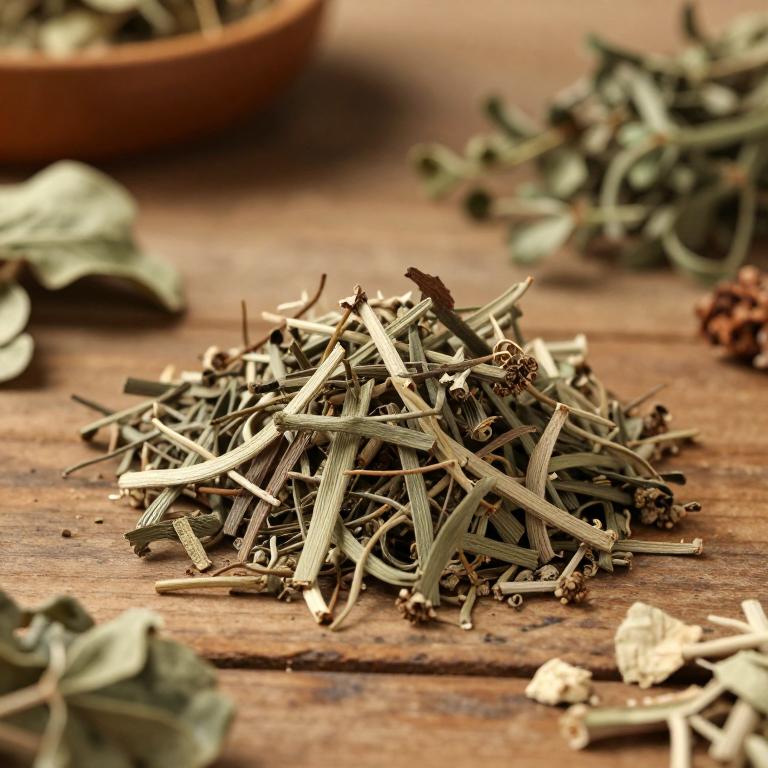
Damnacanthus hainanensis has 2 reported plant parts identified across 2 scientific publications and several other databases that are studied for medicinal purposes. The most consistently reported plant part include leaf, stem.
| Plant part | Supporting sources | Consensus |
|---|---|---|
| Leaf | 1 supporting sources | ★☆☆☆☆ |
| Stem | 1 supporting sources | ★☆☆☆☆ |
Leaf
- Natural product research
Stem
- Natural product research