Dalea formosa
Dalea formosa · Accepted scientific name
Scientific literature: Very Sparse (0 studies) · ★☆☆☆☆
Dalea formosa is a distinctive botanical species known for its unique morphological characteristics and ecological significance. Researchers often turn to this plant to explore its diverse array of bioactive secondary metabolites. In recent studies, the ethyl acetate extract has been specifically utilized to isolate and analyze its concentrated chemical constituents. This preparation method allows for the efficient extraction of important compounds that may possess therapeutic potential. Understanding these chemical profiles is essential for advancing the pharmacological knowledge surrounding this species.
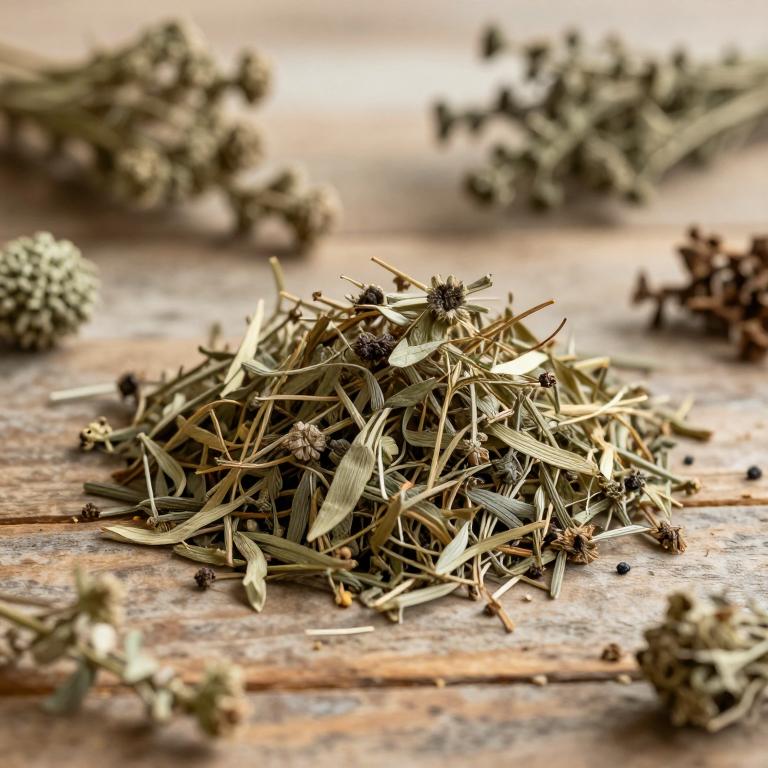
- Synonyms
- Parosela Formosa
- Common names
- Not available
- Family
- Fabaceae
- Distribution
- Northern America
- Plant Parts
- Not available
Classification
Common Names
Dalea formosa is a versatile plant recognized by several distinct common names. It is frequently referred to as Feather Indigo, a name that highlights its striking appearance. Many enthusiasts also call it Feather-plume Dalea or simply Featherplume. Depending on the region, you might encounter it called the feather dalea as well. Ultimately, these various titles like feather-plume all serve to identify this unique species.
Sources: Catalogue of Life (COL)
Synonyms
Dalea formosa is a botanical species that is frequently identified in scientific literature under its synonym, Parosela formosa. While these two names refer to the same plant, the transition between them reflects evolving taxonomic classifications within the legume family. Researchers and hobbyists alike must remain aware of this nomenclature to ensure accurate identification during field studies. Understanding these linguistic shifts is essential for maintaining consistent records in botanical databases. Ultimately, recognizing both names allows for a clearer connection between historical texts and modern biological research.
Sources: The World Checklist of Vascular Plants (WCVP)
Taxonomy
Dalea formosa is a fascinating botanical specimen that belongs to the kingdom Plantae. Within this vast kingdom, the plant is classified under the class Equisetopsida. It is further organized into the order Fabales, which connects it to a diverse group of flowering plants. Specifically, this species is a member of the family Fabaceae, commonly known as the legume family. Ultimately, its unique biological identity is defined by its placement within the genus Dalea.
| Rank | Classification |
|---|---|
| Kingdom | Plantae |
| Phylum | Streptophyta |
| Class | Equisetopsida |
| Subclass | Magnoliidae |
| Order | Fabales |
| Family | Fabaceae |
| Genus | Dalea |
Sources: The World Checklist of Vascular Plants (WCVP)
Distribution
Geographic Regions
Dalea formosa boasts a broad geographic range that stretches across much of Northern America. Its presence is particularly notable throughout Mexico, encompassing both the northeastern and northwestern regions of the country. In the United States, the species is widely distributed, appearing in the North-Central plains within states like Oklahoma. It also extends into the Northwestern territories, with documented sightings in Colorado. Finally, the plant reaches into the South-Central region, establishing itself within the landscapes of New Mexico.
Sources: The World Checklist of Vascular Plants (WCVP)
Identification
Morphology
Dalea formosa is a self-supporting shrub that maintains a sturdy, upright presence in its natural habitat. This plant typically reaches a modest maximum height of 0.91 meters, making it an ideal choice for layered landscapes. Its compact growth form allows it to integrate seamlessly into various ecological settings.
Sources: Global Inventory of Floras and Traits (GIFT)
Biological Activities
Compounds
Conditions
Dalea formosa possesses significant antifungal properties that were previously unknown. Specifically, the ethyl acetate extract of this herb from the American Southwest effectively treats azole-sensitive isolates of Candida glabrata. Furthermore, the extract demonstrates potent activity against azole-resistant isolates of the same pathogen. These findings highlight the plant's ability to inhibit the growth of both sensitive and resistant fungal strains. This dual effectiveness makes Dalea formosa a promising candidate for addressing drug-resistant fungal infections.
Preparations
Dalea formosa is prepared as an ethyl acetate extract to test its medicinal potential. This specific preparation was discovered to possess significant antifungal activity against both azole-sensitive and azole-resistant isolates of Candida glabrata. The herb, which originates from the American Southwest, was previously unknown to have these particular antifungal properties. Researchers utilized this extract to investigate how multidrug efflux affects the efficacy of medicinal plant treatments. Ultimately, the study highlights how this ethyl acetate preparation interacts with the pleiotropic drug-resistance network in yeast models.