Dalea carthagenensis
Dalea carthagenensis · Accepted scientific name
Scientific literature: Very Sparse (0 studies) · ★☆☆☆☆
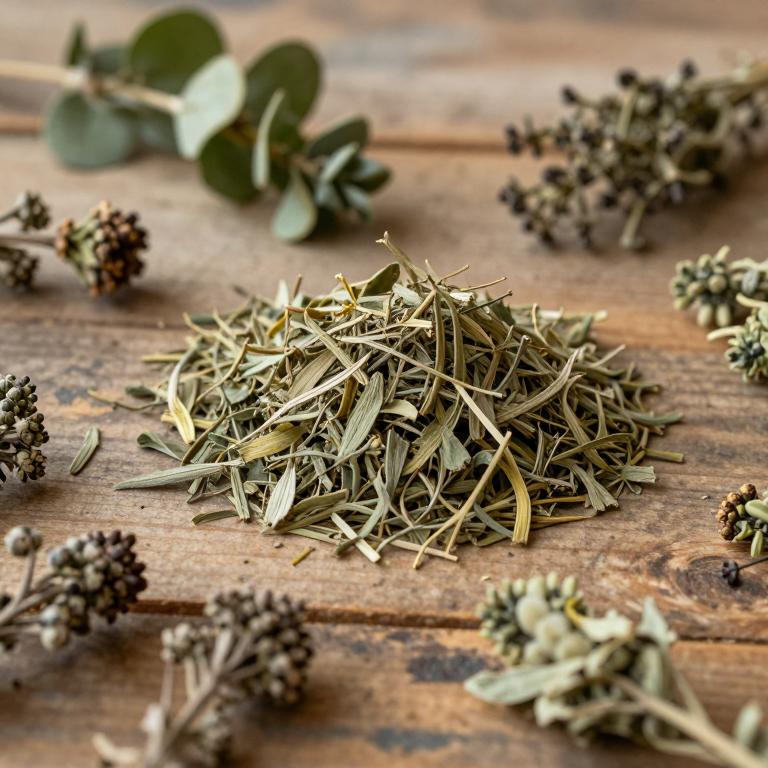
Dalea carthagenensis is a distinctive legume species known for its ability to thrive in specific ecological niches. One of its most defining characteristics is the unique structure of its leaf, which plays a vital role in the plant's survival. These leaves are finely divided, helping the plant manage moisture and sunlight exposure effectively. Observing the intricate details of the foliage provides important insights into the plant's adaptation to its environment. Understanding these botanical features is essential for anyone studying the diverse flora of its native habitat.
- Synonyms
- Parosela Carthagenensis · Psoralea Carthagenensis
- Common names
- Not available
- Family
- Fabaceae
- Distribution
- Not available
- Plant Parts
- Leaf
Classification
Common Names
Dalea carthagenensis is a distinctive plant that is known by several different names depending on the region. It is most commonly referred to by its English name, the Cartagena Prairie Clover. In certain areas, you may also encounter it called Escobilla. Additionally, it holds a place in local traditions under the name Yerbo di Soño. These various identities highlight the diverse linguistic landscape surrounding this unique species.
Sources: Catalogue of Life (COL)
Synonyms
Dalea carthagenensis is a botanical species that has been documented under several different scientific names throughout history. In various taxonomic records, it is recognized by the synonym Parosela carthagenensis. Furthermore, the plant is also identified in botanical literature as Psoralea carthagenensis. These varying designations reflect the evolving nature of plant classification and shifting taxonomic perspectives over time. Understanding these relationships is essential for researchers seeking to accurately identify the species in diverse databases.
Sources: The World Checklist of Vascular Plants (WCVP)
Taxonomy
Dalea carthagenensis belongs to the diverse kingdom Plantae, representing the vast and complex world of plant life. Within this kingdom, the species is classified under the class Equisetopsida, marking its place among the vascular plants. It is further organized into the order Fabales, a group that connects it to many significant botanical lineages. As a member of the Fabaceae family, it shares essential traits common to the well-known legume group. Finally, its specific identity is defined by its placement within the genus Dalea.
| Rank | Classification |
|---|---|
| Kingdom | Plantae |
| Phylum | Streptophyta |
| Class | Equisetopsida |
| Subclass | Magnoliidae |
| Order | Fabales |
| Family | Fabaceae |
| Genus | Dalea |
Sources: The World Checklist of Vascular Plants (WCVP)
Distribution
Geographic Regions
Dalea carthagenensis is a resilient species widely distributed throughout Northern America and various regions of Mexico. Its presence is particularly notable across the diverse landscapes of Central Mexico. The plant also thrives within the coastal and inland reaches of the Mexico Gulf area. Furthermore, its range extends through the Northeast and Southeast territories of the country. Finally, the species can be found flourishing across the arid stretches of the Mexico Southwest.
Sources: The World Checklist of Vascular Plants (WCVP)
Identification
Morphology
Dalea carthagenensis is a self-supporting plant that exhibits a distinct herb growth form. This structure allows the species to maintain its upright presence within its natural habitat.
Sources: Global Inventory of Floras and Traits (GIFT)
Biological Activities
Compounds
Conditions
Preparations
Parts used
Dalea carthagenensis serves as one of the medicinal plants studied to determine the chemical profile of essential oils in the Cachicadán region of Peru. During the research process, the essential oil was specifically extracted from the plant's leaf. Gas chromatography coupled with mass spectrometry revealed that the major components of this leaf extract include α-pinene, β-myrcene, and (E)-β-ocimene. These chemical findings contribute to a broader understanding of the diverse bioactive compounds found in regional flora. Such analysis is crucial for identifying the specific properties that drive the anti-proliferative potential of various medicinal species.