Dalbergia cochinchinensis
Dalbergia cochinchinensis · Accepted scientific name
Scientific literature: Very Sparse (1 studies) · ★☆☆☆☆
Dalbergia cochinchinensis is a significant botanical species recognized for its diverse pharmacological potential. Research indicates that extracts derived from the plant's stem possess notable antiandrogenic activities. These biological effects are closely linked to specific chemical constituents, including 2,2',5-Trihydroxy-4-methoxybenzophenone and 6,4'-Dihydroxy-7-methoxyflavan. Additionally, the presence of 7-Hydroxy-6-methoxyflavone and 7-Hydroxyflavanone contributes to its complex chemical profile. Understanding these compounds provides valuable insight into the therapeutic applications of this species.
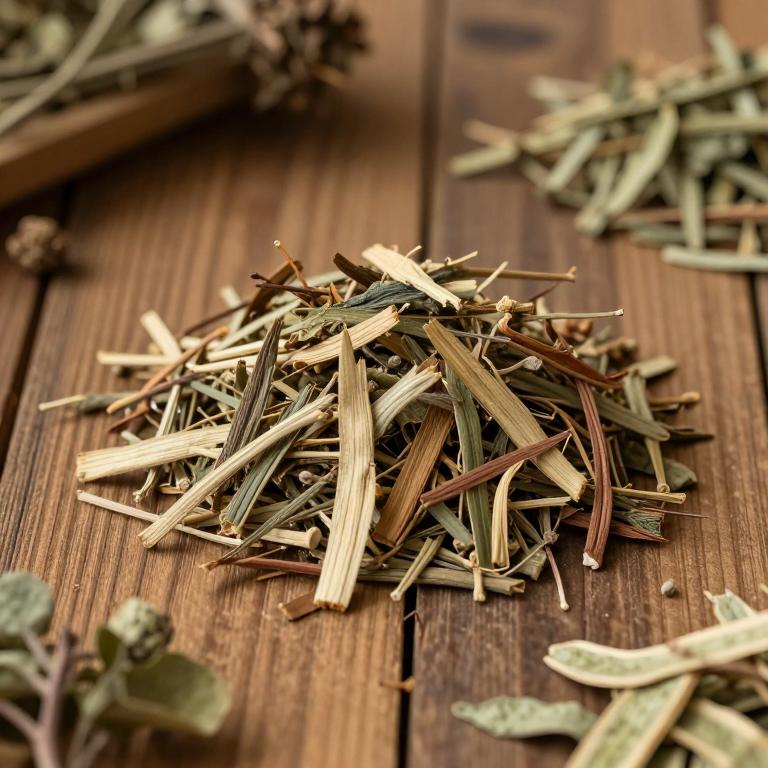
- Synonyms
- Amerimnon Fuscum · Amerimnon Cochinchinense · 3 more
- Common names
- Not available
- Family
- Fabaceae
- Distribution
- Not available
- Plant Parts
- Stem
Classification
Common Names
Dalbergia cochinchinensis is a highly valued timber species known by several different names depending on the region. In certain local contexts, it is frequently referred to as Kha Nhoung or Kra Nhoung. It is also commonly identified as Payung, a name that distinguishes it within specific botanical circles. On the international market, the tree is widely celebrated as Rose Wood due to its exquisite grain. Most notably, it is often called Siamese Rosewood to highlight its prestigious origins and unique qualities.
Sources: Catalogue of Life (COL)
Synonyms
Dalbergia cochinchinensis is a plant species recognized by several different botanical names throughout its classification history. It is closely linked to various synonyms, including Amerimnon cambodianum and Amerimnon cochinchinense. The species also shares taxonomic ties with Amerimnon fuscum and the name Dalbergia cambodiana. Furthermore, its scientific identity encompasses the variety known as Dalbergia fusca var. enneandra. Understanding these overlapping relationships is essential for accurate botanical identification and study.
Sources: The World Checklist of Vascular Plants (WCVP)
Taxonomy
Dalbergia cochinchinensis is a remarkable species that belongs to the vast kingdom Plantae. Within this biological realm, it is specifically classified under the class Equisetopsida. As a member of the order Fabales, it shares structural characteristics with a diverse array of related plants. This species is further categorized into the family Fabaceae, which is known for its significant ecological importance. Ultimately, its botanical identity is defined by its placement within the genus Dalbergia.
| Rank | Classification |
|---|---|
| Kingdom | Plantae |
| Phylum | Streptophyta |
| Class | Equisetopsida |
| Subclass | Magnoliidae |
| Order | Fabales |
| Family | Fabaceae |
| Genus | Dalbergia |
Sources: The World Checklist of Vascular Plants (WCVP)
Distribution
Geographic Regions
Dalbergia cochinchinensis is a notable species primarily distributed throughout the tropical regions of Asia. Its natural habitat spans across the diverse landscapes of Indo-China, where it thrives in specific environmental conditions. Within this region, the plant can be found growing throughout Cambodia and Laos. It also maintains a significant presence across the territories of Thailand and Vietnam. This widespread distribution underscores the importance of the species to the tropical ecosystems of Southeast Asia.
Sources: The World Checklist of Vascular Plants (WCVP)
Identification
Morphology
Dalbergia cochinchinensis is a self-supporting tree that establishes a sturdy structural presence in its natural habitat. This species typically reaches a maximum height of 25 meters as it matures. Its distinct growth form allows it to thrive as a prominent feature within the forest canopy.
Sources: Global Inventory of Floras and Traits (GIFT)
Biological Activities
Dalbergia cochinchinensis contains several unique phenolic constituents that have demonstrated significant biological potential. Recent studies focused on the stems of this plant led to the isolation of four new compounds alongside eight known phenolic substances. Among these, specific molecules such as 9-hydroxy-6,7-dimethoxydalbergiquinol and 6-hydroxy-2,7-dimethoxyneoflavene stand out for their chemical properties. These particular compounds exhibit potent inhibitory activity against 5 alpha-dihydrotestosterone (DHT). By preventing the formation of the DHT-receptor complex, these extracts demonstrate clear antiandrogenic activity useful in studying androgen-dependent diseases.
Compounds
Dalbergia cochinchinensis is a plant species characterized by a diverse array of complex chemical constituents found within its stems and heartwood. Detailed phytochemical analyses have identified several specific phenolic compounds, including 7-hydroxy-6-methoxyflavone and 7-hydroxyflavanone. Research into the heartwood of the plant has also revealed the presence of various esters, such as butyl isobutyl phthalate and dibutyl terephthalate. Additionally, the chemical profile of the species includes ethyl 4-hydroxybenzoate, which contributes to its unique composition. These findings highlight the intricate chemical makeup of the plant and its potential for pharmacological interest.
Conditions
Dalbergia cochinchinensis contains specific antiandrogenic phenolic constituents that offer therapeutic potential against androgen-dependent diseases. Research has identified four new compounds, including 9-hydroxy-6,7-dimethoxydalbergiquinol and 6-hydroxy-2,7-dimethoxyneoflavene, within the stems of this plant. These specific molecules demonstrate potent inhibitory activity towards 5 alpha-dihydrotestosterone (DHT). By blocking DHT, these compounds prevent the formation of the DHT-receptor complex that drives various androgen-dependent conditions. Consequently, the chemical profile of this plant provides a mechanism for treating diseases triggered by androgen receptor activation.
Preparations
Parts used
Dalbergia cochinchinensis serves as a significant botanical source for the isolation of various bioactive phenolic constituents. Scientific investigations have specifically focused on the stems of this plant to extract diverse chemical compounds. Researchers have successfully identified several new structures, such as 9-hydroxy-6,7-dimethoxydalbergiquinol and various neoflavenes, directly from these stem tissues. These isolated substances have demonstrated potent inhibitory activity against 5 alpha-dihydrotestosterone and the enzyme testosterone 5 alpha-reductase. Consequently, the chemical profile found within the stems offers promising potential for addressing androgen-dependent diseases.