Java dacryberry
Dacrycarpus imbricatus · Accepted scientific name
Scientific literature: Very Sparse (10 studies) · ★☆☆☆☆
Java dacryberry, scientifically known as Dacrycarpus imbricaatus, is a rare medicinal plant native to specific tropical regions. Renowned for its unique botanical properties, it is traditionally utilized in various holistic practices. Understanding its chemical composition and therapeutic potential offers valuable insights into its role in supporting natural wellness.
- Family
- Podocarpaceae
- Native range
- Asia-Temperate
- Parts used
- Not available
- Common names
- Java Dacryberry
- Scientific synonyms
- Bracteocarpus Imbricatus · Podocarpus Imbricatus
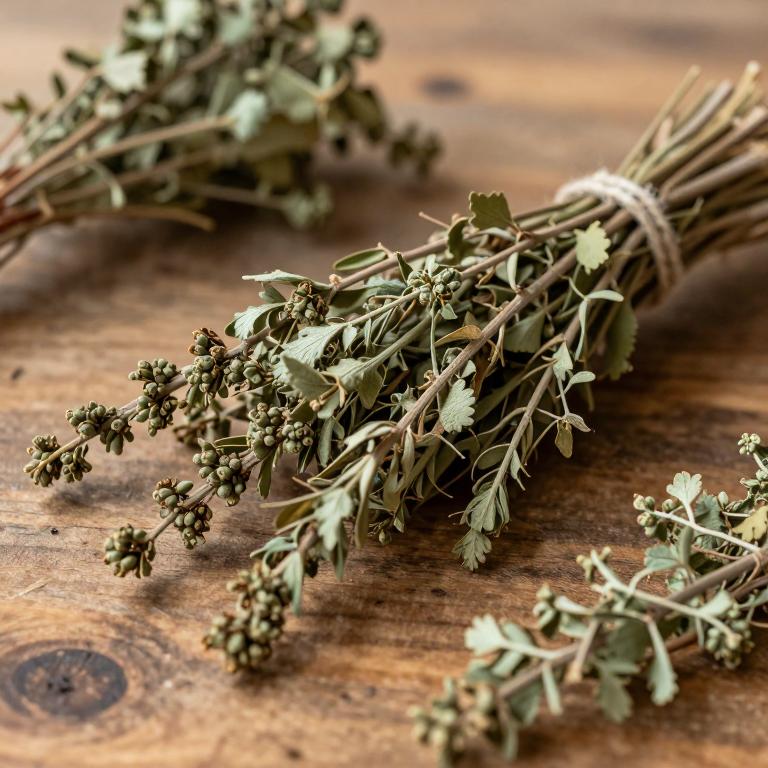
Names and Synonyms
Common Names
- Java dacryberry
Scientific Names
Accepted name
Dacrycarpus imbricatusSynonyms
- Bracteocarpus imbricatus
- Podocarpus imbricatus
Sources: Wikidata, Catalogue of Life
Taxonomical Classification
This plant, Dacrycarpus imbricatus, belongs to the kingdom Plantae and the phylum Streptophyta. Within the class Equisetopsida and subclass Pinidae, it is classified under the order Pinales. Finally, it is a member of the family Podocarpaceae and falls under the genus Dacrycarpus.
| Rank | Classification |
|---|---|
| Kingdom | Plantae |
| Phylum | Streptophyta |
| Class | Equisetopsida |
| Subclass | Pinidae |
| Order | Pinales |
| Family | Podocarpaceae |
| Genus | Dacrycarpus |
Sources: The World Checklist of Vascular Plants (WCVP)
Distribution
This plant exhibits a specific geographical distribution concentrated within East and Southeast Asia. Within China, it can be found across the South-Central, Southeast, and Hainan regions. Its range extends further into the Indo-China peninsula, specifically inhabiting parts of Cambodia. Additionally, the species is documented to grow within the borders of Laos. Collectively, these locations define the natural habitat where this medicinal species thrives.
| Region | Area |
|---|---|
| China | China South-Central |
| China | Hainan |
| China | China Southeast |
| Indo-China | Cambodia |
| Indo-China | Laos |
| Indo-China | Myanmar |
| Indo-China | Thailand |
| Indo-China | Vietnam |
| Malesia | Borneo |
| Malesia | Jawa |
Sources: The World Checklist of Vascular Plants (WCVP)
Botanical Identification
Life history
The life history of Dacrycarpus imbricatus is characterized by its status as a perennial organism, ensuring its long-term presence within its natural ecosystem. As a phanerophyte, the plant maintains its photosynthetic organs on elevated branches above the ground level, a structural strategy that aids in its survival and competitive positioning. This life form is further defined by its evergreen nature, meaning it retains its foliage throughout the year rather than shedding it seasonally, allowing for continuous metabolic activity and growth.
- Deciduousness :
- evergreen
- Life form :
- phanerophyte
- Lifecycle :
- perennial
Morphology
The morphology of Dacrycarpus imbricatus is characterized by its robust growth form as a large, woody tree. This species is strictly terrestrial in its habitat, neither functioning as an epiphyte nor possessing aquatic adaptations. It is an independent organism, exhibiting no parasitic behavior toward other plants. Reaching significant proportions in the forest canopy, the plant can achieve a maximum height of 40 m, with an average height recorded at approximately 40 m. Unlike climbing vines or lianas, it is a self-supporting structure that maintains its vertical stature through its woody composition.
- Aquatic :
- terrestrial
- Climber :
- self-supporting
- Epiphyte :
- terrestrial
- Growth form :
- tree
- Parasite :
- independent
- Plant height mean:
- 40 m
- Woodiness :
- woody
Physiology
The physiology of Dacrycarpus imbricatus is characterized by a C3 photosynthetic pathway, which dictates its carbon fixation processes and metabolic efficiency within its ecological niche. In terms of its structural composition, the plant exhibits a stem specific density (SSD) with a mean value of 510 mg/cm³, reflecting the density and mechanical strength of its woody tissues. Additionally, this species does not function as a nitrogen fixer, meaning it relies on the uptake of available nitrogen from the soil rather than through symbiotic relationships with nitrogen-fixing bacteria.
- Nitrogen fixer :
- no
- Photosynthetic pathway :
- C3
- Stem specific density (SSD) mean:
- 510 mg/cm³
Reproduction
The reproduction of Dacrycarpus imbricatus is characterized by an abiotic pollination syndrome, specifically relying on wind as the primary mechanism for pollen transfer. The plant does not engage in self-fertilization, indicating a reproductive strategy that necessitates cross-pollination to ensure genetic diversity. Regarding its progeny, the species produces seeds with a highly consistent mass; the seed mass is measured at a mean, minimum, and maximum of 0.05495 g, showing no variance in weight within the observed parameters.
- Pollination syndrome :
- wind
- Pollination syndrome :
- abiotic
- Seed mass mean:
- 0.05495 g
- Self fertilization :
- absent
Sources: Global Inventory of Floras and Traits (GIFT)
Chemicals
Dacrycarpus imbricatus has 10 reported phytochemicals identified across 0 scientific publications and several other databases. The most consistently reported chemicals include 10-Nonacosanone, BETA-SITOSTEROL, Daucosterol, Ecdysterone, Hinokiflavone.
| Chemical | Supporting sources | Consensus |
|---|---|---|
| 10-Nonacosanone | 1 supporting sources | ★☆☆☆☆ |
| BETA-SITOSTEROL | 1 supporting sources | ★☆☆☆☆ |
| Daucosterol | 1 supporting sources | ★☆☆☆☆ |
| Ecdysterone | 1 supporting sources | ★☆☆☆☆ |
| Hinokiflavone | 1 supporting sources | ★☆☆☆☆ |
| Imbricataflavone A | 1 supporting sources | ★☆☆☆☆ |
| Podocarpusflavone A | 1 supporting sources | ★☆☆☆☆ |
| Robustaflavone | 1 supporting sources | ★☆☆☆☆ |
| SANDARACOPIMARIC ACID | 1 supporting sources | ★☆☆☆☆ |
| p-Hydroxybenzoic acid | 1 supporting sources | ★☆☆☆☆ |
10-Nonacosanone
- Zhongguo Zhong yao za zhi = Zhongguo zhongyao zazhi = China journal of Chinese materia medica
BETA-SITOSTEROL
- Zhongguo Zhong yao za zhi = Zhongguo zhongyao zazhi = China journal of Chinese materia medica
Daucosterol
- Zhongguo Zhong yao za zhi = Zhongguo zhongyao zazhi = China journal of Chinese materia medica
Ecdysterone
- Zhongguo Zhong yao za zhi = Zhongguo zhongyao zazhi = China journal of Chinese materia medica
Hinokiflavone
- Zhongguo Zhong yao za zhi = Zhongguo zhongyao zazhi = China journal of Chinese materia medica
Imbricataflavone A
- Zhongguo Zhong yao za zhi = Zhongguo zhongyao zazhi = China journal of Chinese materia medica
Podocarpusflavone A
- Zhongguo Zhong yao za zhi = Zhongguo zhongyao zazhi = China journal of Chinese materia medica
Robustaflavone
- Zhongguo Zhong yao za zhi = Zhongguo zhongyao zazhi = China journal of Chinese materia medica
SANDARACOPIMARIC ACID
- Zhongguo Zhong yao za zhi = Zhongguo zhongyao zazhi = China journal of Chinese materia medica
p-Hydroxybenzoic acid
- Zhongguo Zhong yao za zhi = Zhongguo zhongyao zazhi = China journal of Chinese materia medica