Cape Clapper
Cysticapnos vesicaria subsp. vesicaria · Accepted scientific name
Scientific literature: Very Sparse (13 studies) · ★☆☆☆☆
Cape Clapper, scientifically known as Cysticapnos vesicaria subsp. vesicaria, is a unique medicinal plant native to South Africa. Renowned for its distinct appearance, this subspecies holds significant ethnobotanical value. Local communities traditionally utilize its properties to treat various ailments, making it a fascinating subject for pharmacological and botanical study.
- Family
- Papaveraceae
- Native range
- Africa
- Parts used
- Not available
- Common names
- Cape Clapper
- Scientific synonyms
- Phacocapnos Burmanni · Cysticapnos Vesicaria F. Breviloba · 5 more
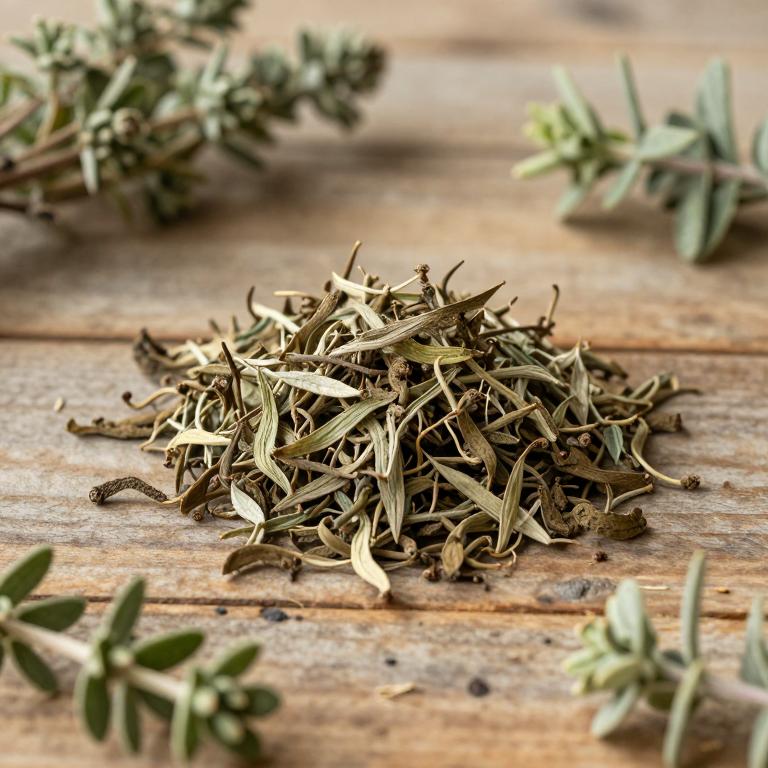
Names and Synonyms
Common Names
- Cape Clapper
Scientific Names
Accepted name
Cysticapnos vesicaria subsp. vesicariaSynonyms
- Phacocapnos burmanni
- Cysticapnos vesicaria f. breviloba
- Cysticapnos vesicaria f. longiloba
- Capnoides burmanni
- Corydalis burmanni
- Cysticapnos africana
- Cysticapnos alexandrina
Sources: Wikidata, Catalogue of Life
Taxonomical Classification
This plant belongs to the kingdom Plantae and the phylum Streptophyta, falling under the class Equisetopsida and subclass Magnoliidae. Within the order Ranunculales, it is classified under the family Papaveraceae and the genus Cysticapnos. Specifically, it is identified as the subspecies vesicaria within that genus.
| Rank | Classification |
|---|---|
| Kingdom | Plantae |
| Phylum | Streptophyta |
| Class | Equisetopsida |
| Subclass | Magnoliidae |
| Order | Ranunculales |
| Family | Papaveraceae |
| Genus | Cysticapnos |
Sources: The World Checklist of Vascular Plants (WCVP)
Distribution
This plant is found exclusively within the southern region of the African continent. Its specific distribution is limited to the Cape Provinces, where it thrives in unique environmental conditions. Within this territory, it occupies niche habitats that allow the subspecies to flourish. The geographical range is relatively concentrated, making it a characteristic element of the local flora. Consequently, its presence is a defining feature of the Cape's diverse botanical landscape.
| Region | Area |
|---|---|
| Southern Africa | Cape Provinces |
Sources: The World Checklist of Vascular Plants (WCVP)
Chemicals
Cysticapnos vesicaria subsp. vesicaria has 5 reported phytochemicals identified across 0 scientific publications and several other databases. The most consistently reported chemicals include protopine, Allocryptopine, Antioxidant, kaempferol, quercetin.
| Chemical | Supporting sources | Consensus |
|---|---|---|
| protopine | 2 supporting sources | ★☆☆☆☆ |
| Allocryptopine | 1 supporting sources | ★☆☆☆☆ |
| Antioxidant | 1 supporting sources | ★☆☆☆☆ |
| kaempferol | 1 supporting sources | ★☆☆☆☆ |
| quercetin | 1 supporting sources | ★☆☆☆☆ |
protopine
- Toxicology letters
- Fitoterapia
Allocryptopine
- Toxicology letters
Antioxidant
- Pakistan journal of pharmaceutical sciences
kaempferol
- Experimental parasitology
quercetin
- Experimental parasitology
Activities
Cysticapnos vesicaria subsp. vesicaria has 6 reported activities identified across 0 scientific publications and several other databases. The most consistently reported activities include Antioxidant, Anthelmintic, Antimicrobial, Diuretic, Hepatoprotective.
| Activity | Supporting sources | Consensus |
|---|---|---|
| Antioxidant | 2 supporting sources | ★☆☆☆☆ |
| Anthelmintic | 1 supporting sources | ★☆☆☆☆ |
| Antimicrobial | 1 supporting sources | ★☆☆☆☆ |
| Diuretic | 1 supporting sources | ★☆☆☆☆ |
| Hepatoprotective | 1 supporting sources | ★☆☆☆☆ |
| Laxative | 1 supporting sources | ★☆☆☆☆ |
Antioxidant
- Pakistan journal of pharmaceutical sciences
- Fitoterapia
Anthelmintic
- Experimental parasitology
Antimicrobial
- Pakistan journal of pharmaceutical sciences
Diuretic
- Fortschritte der Medizin
Hepatoprotective
- Fitoterapia
Laxative
- Fortschritte der Medizin
Preparations
Cysticapnos vesicaria subsp. vesicaria has 5 reported preparations identified across 0 scientific publications and several other databases. The most consistently reported preparations include Crude extracts, Herbmix, dietary supplement, herbal cream, phytoprepariations.
| Preparation | Supporting sources | Consensus |
|---|---|---|
| Crude extracts | 1 supporting sources | ★☆☆☆☆ |
| Herbmix | 1 supporting sources | ★☆☆☆☆ |
| Dietary supplement | 1 supporting sources | ★☆☆☆☆ |
| Herbal cream | 1 supporting sources | ★☆☆☆☆ |
| Phytoprepariations | 1 supporting sources | ★☆☆☆☆ |
Crude extracts
- Pakistan journal of pharmaceutical sciences
Herbmix
- PloS one
Dietary supplement
- Journal of pharmaceutical and biomedical analysis
Herbal cream
- Avicenna journal of phytomedicine
Phytoprepariations
- Toxicology letters