Cypripedium parviflorum var. pubescens
Cypripedium parviflorum var. pubescens · Accepted scientific name
Scientific literature: Very Extensive (264 studies) · ★★★★★
, scientifically known as Cypripedium parviflorum var. pubeisceus, is a rare, delicate orchid prized for its unique botanical characteristics. Often found in specific woodland habitats, this variety holds significant interest in ethnobotany. Understanding its medicinal potential and ecological niche is essential for conservation and exploring its traditional therapeutic applications.
- Family
- Not available
- Native range
- Northern America
- Parts used
- Not available
- Common names
- Not available
- Scientific synonyms
- Not available
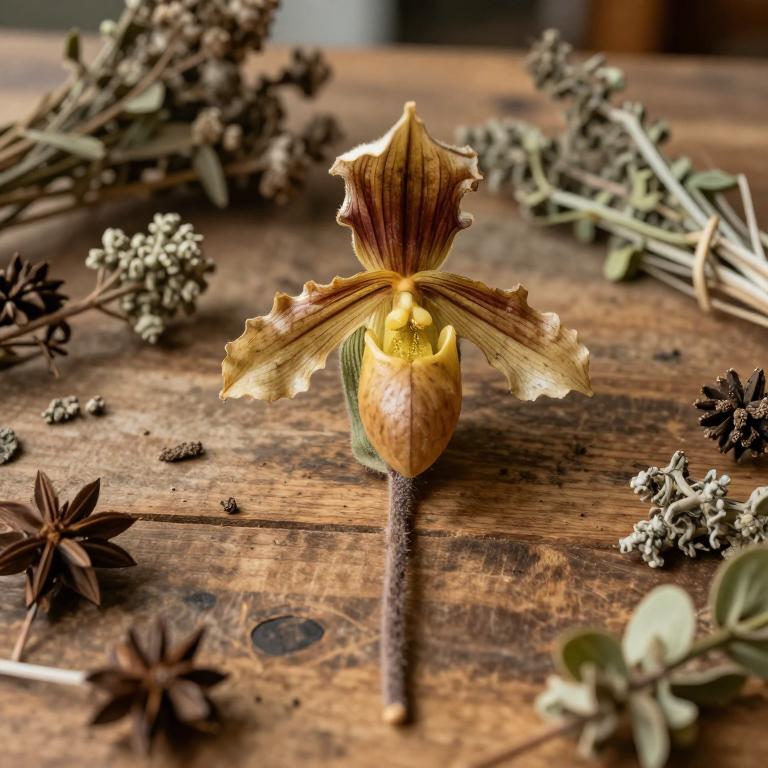
Names and Synonyms
Scientific Names
Accepted name
Cypripedium parviflorum var. pubescensDistribution
This plant exhibits a broad geographical range across the northern regions of North America. Within Subarctic America, its presence is documented in Alaska, the Yukon, and the Northwest Territories. Moving southward, the species can also be found throughout the western portions of Canada. Specifically, it inhabits the provinces of Alberta and British Columbia. These diverse locations highlight the plant's ability to thrive across various subarctic and western landscapes.
| Region | Area |
|---|---|
| Subarctic America | Alaska |
| Subarctic America | Northwest Territories |
| Subarctic America | Yukon |
| Western Canada | Alberta |
| Western Canada | British Columbia |
| Western Canada | Manitoba |
| Western Canada | Saskatchewan |
| Eastern Canada | Labrador |
| Eastern Canada | New Brunswick |
| Eastern Canada | Newfoundland |
Sources: The World Checklist of Vascular Plants (WCVP)
Chemicals
Cypripedium parviflorum var. pubescens has 20 reported phytochemicals identified across 0 scientific publications and several other databases. The most consistently reported chemicals include ALUMINUM, Ash, CALCIUM, CHROMIUM, COBALT.
| Chemical | Supporting sources | Consensus |
|---|---|---|
| ALUMINUM | 1 supporting sources | ★☆☆☆☆ |
| Ash | 1 supporting sources | ★☆☆☆☆ |
| CALCIUM | 1 supporting sources | ★☆☆☆☆ |
| CHROMIUM | 1 supporting sources | ★☆☆☆☆ |
| COBALT | 1 supporting sources | ★☆☆☆☆ |
| EO | 1 supporting sources | ★☆☆☆☆ |
| GUM | 1 supporting sources | ★☆☆☆☆ |
| Gallic acid | 1 supporting sources | ★☆☆☆☆ |
| IRON | 1 supporting sources | ★☆☆☆☆ |
| MAGNESIUM | 1 supporting sources | ★☆☆☆☆ |
ALUMINUM
- Dr. Duke
Ash
- Dr. Duke
CALCIUM
- Dr. Duke
CHROMIUM
- Dr. Duke
COBALT
- Dr. Duke
EO
- Dr. Duke
GUM
- Dr. Duke
Gallic acid
- Dr. Duke
IRON
- Dr. Duke
MAGNESIUM
- Dr. Duke
Activities
Cypripedium parviflorum var. pubescens has 244 reported activities identified across 0 scientific publications and several other databases. The most consistently reported activities include ACE-Inhibitor, AP-1-Inhibitor, Absorbent, Acetylcholinergic, Amphiglycemic?.
| Activity | Supporting sources | Consensus |
|---|---|---|
| ACE-Inhibitor | 1 supporting sources | ★☆☆☆☆ |
| AP-1-Inhibitor | 1 supporting sources | ★☆☆☆☆ |
| Absorbent | 1 supporting sources | ★☆☆☆☆ |
| Acetylcholinergic | 1 supporting sources | ★☆☆☆☆ |
| Amphiglycemic? | 1 supporting sources | ★☆☆☆☆ |
| Analgesic | 1 supporting sources | ★☆☆☆☆ |
| Angiotensin-Receptor-Blocker | 1 supporting sources | ★☆☆☆☆ |
| Anorexic | 1 supporting sources | ★☆☆☆☆ |
| AntiAGE | 1 supporting sources | ★☆☆☆☆ |
| AntiBPH | 1 supporting sources | ★☆☆☆☆ |
ACE-Inhibitor
- Dr. Duke
AP-1-Inhibitor
- Dr. Duke
Absorbent
- Dr. Duke
Acetylcholinergic
- Dr. Duke
Amphiglycemic?
- Dr. Duke
Analgesic
- Dr. Duke
Angiotensin-Receptor-Blocker
- Dr. Duke
Anorexic
- Dr. Duke
AntiAGE
- Dr. Duke
AntiBPH
- Dr. Duke